

Substation Project Engineer


This page gives you the real story about what it's like to be a Substation Project Engineer (with insights from someone who’s actually doing the job).
Your goal: Decide if this sounds interesting enough to explore further, or if it's clearly not for you. Both answers are useful!
It will take about 5 minutes to read through - by the end, you'll know if this is worth exploring or if you should look at something else.
What do they do?
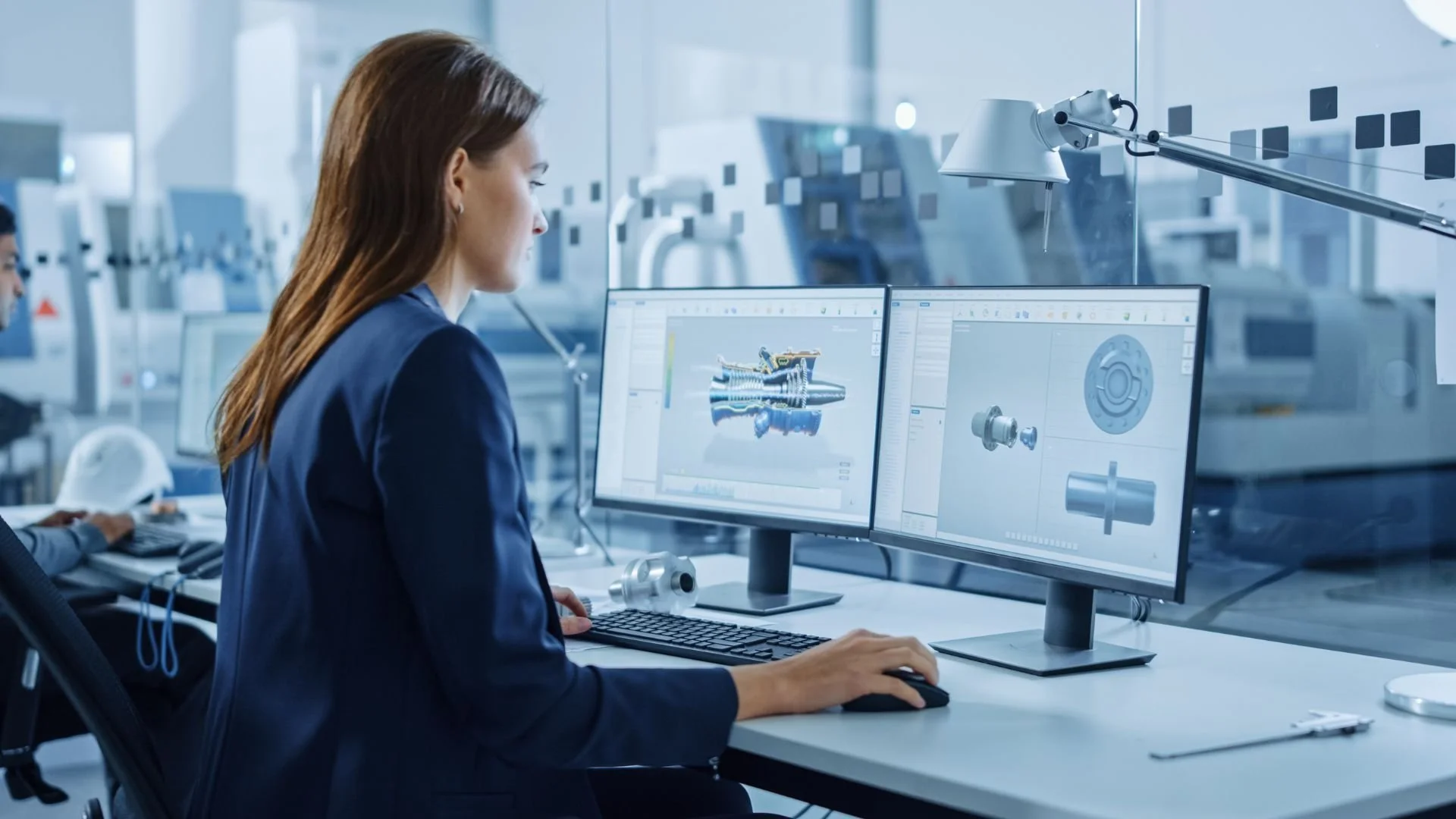
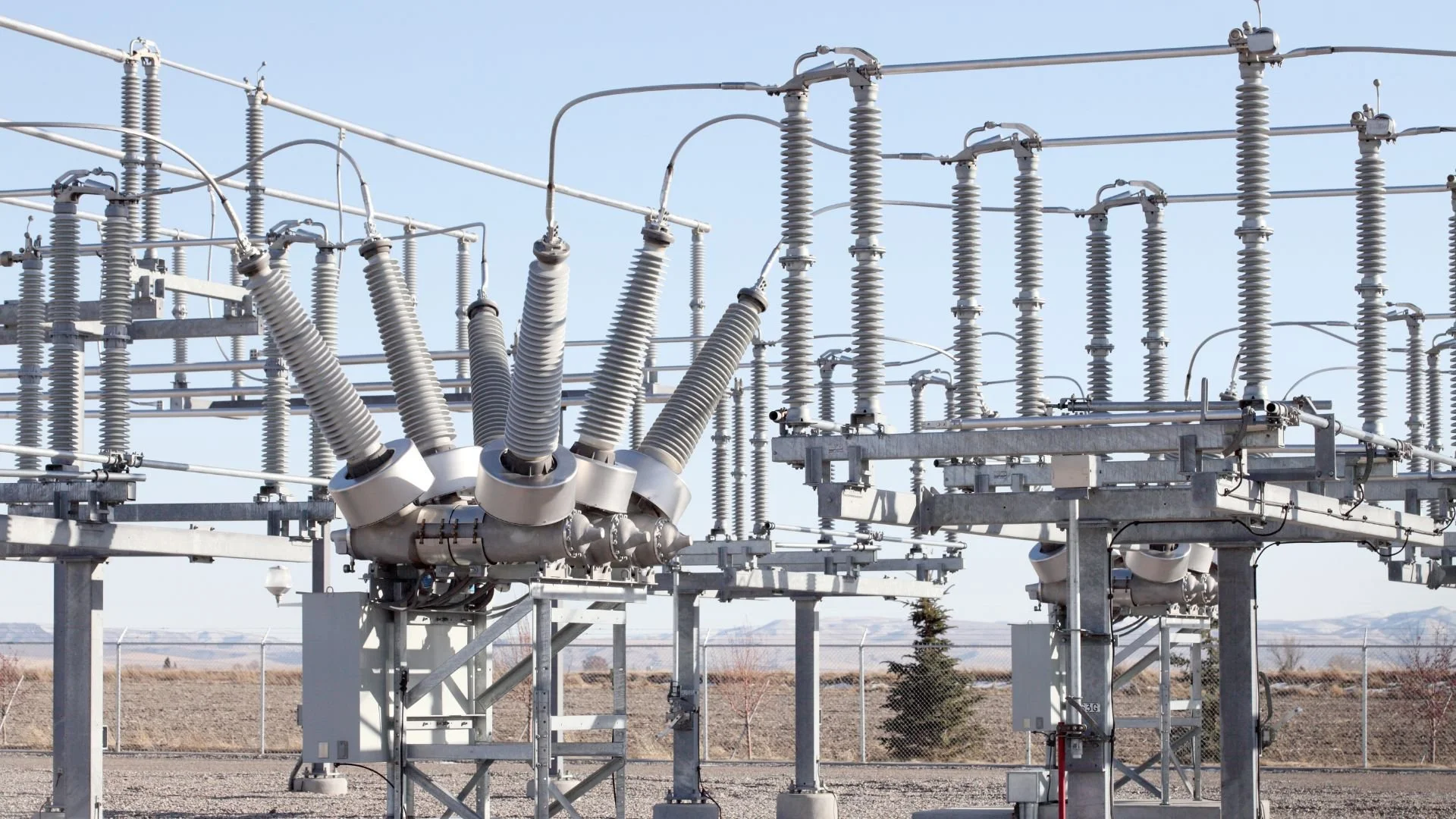
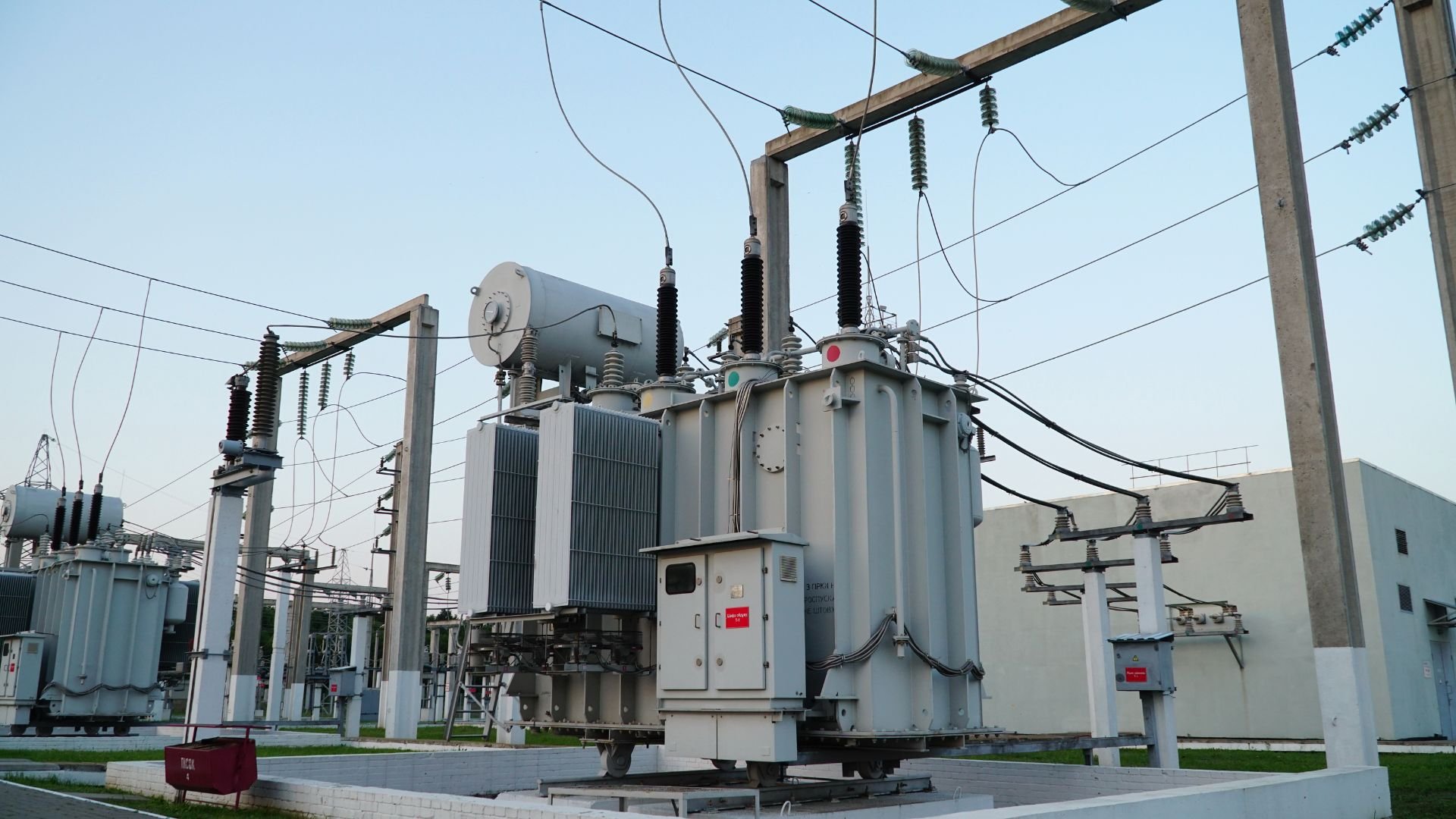
A substation is the place where renewable energy from wind farms or solar sites gets connected into the national grid. If you think of the power system as a transport network, the substation is the major junction where everything meets. A substation project engineer designs how an electrical substation is physically laid out.
Their job is to decide where the big pieces of equipment go: transformers, circuit breakers, busbars and all the structures that support them. It’s about creating a safe, practical, clearly organised site that will work reliably for decades. They focus on the physical design — another team handles the detailed control and protection systems.
Day to day, the work is a mix of reviewing drawings from contractors, checking that electrical clearances meet safety standards, and making sure the layout will actually work for the people who will maintain it long into the future. When a standard design doesn’t fit a particular location, they’re the ones who problem-solve and come up with solutions that keep the project moving..

How much do they earn?
Salaries vary depending on the company, location, and your experience level. Here's a rough guide for control and protection engineering roles:
Apprentice (Modern/Graduate Apprenticeship) £14,000 - £25,000 per year
You're learning on the job while earning
Uni Graduate £25,000 - £32,000 per year
With Experience £35,000 - £50,000 per year
Senior Level £55,000 - £75,000+ per year
What affects your salary:
The size of the company you work for
Whether you're in a city (usually higher) or a smaller town
The specific sector you're in (energy, utilities, infrastructure)
Additional qualifications and chartered engineer status
Remember: These are approximate figures for Scotland and can vary. The good news is there's clear progression as you gain experience.
You actually like maths and physics
Not just "I'm good at it" - you genuinely enjoy figuring out how systems work, working with numbers, and understanding the science behind things. This job uses proper engineering calculations and technical thinking daily.
You'll Be Successful In This Career If...
You like a challenge
Some days you'll look at a problem and think "I have no idea how to solve this." If that sounds exciting rather than terrifying, you'll thrive here. The satisfaction comes from cracking problems that seemed impossible at first.
You can work across teams
You'll collaborate with environmental teams, operations teams, contractors, and system planners. You need to listen to different perspectives and work with people who aren't engineers.
You're curious
When something doesn't make sense, you want to understand why. When there's a problem with no obvious answer, that gets you interested rather than stressed. You ask "why?" and "what if?" naturally.
You're good at seeing patterns
You notice when things repeat, when situations are similar to ones you've seen before. This helps you learn faster and spot potential issues before they become problems.
The Bottom Line
If you enjoy technical problem-solving and working with maths and physics, thrive on challenges that require focus and pattern-spotting, and can collaborate with different teams while designing infrastructure that will last for decades, then this career could be a strong fit for you.
Meet Isobel – Substation Project Manager at SSEN Transmission
Isobel is a substation project engineer, designing and reviewing substation infrastructure that connects renewable energy to homes across Scotland.
What the job actually involves
Isobel works for SSE and her patch is Skye - she's responsible for designing the substations that transport electricity from the wind farms to people's houses. She's working on substations at places like Edenbane, Dunvegan, Ardmore, and Fort Augustus.
Right now she's in early design phase with contractors, so a lot of her day is reviewing contractor drawings, making sure the designs are fit for purpose and meet specifications, and making sure they're practical for the operations teams who will look after them for the next 40 to 50 years.
She also has a specialist role in overhead line "corona-induced audible noise" - that buzzing sound you get from overhead lines when it rains. She supports the business with environmental impact assessments and works on innovations with UK working groups and international collaborators.
Why she likes it
"I love the challenge. It's really difficult some days because there are challenges that you look at and you think I have no idea how we're going to manage it. But when you do manage it, that's the best feeling in the world."
"When I'm working on a problem like this, everything is working right and I can just focus on this one thing and it just lets my brain do what it wants to do."
"It's an industry that is changing massively at the moment and it's having to innovate at a ridiculous speed. That's really exciting and I love being a part of that. Especially on the noise side where I am pushing innovations that are world-leading - it's just so cool."
Her best advice if you want a role like this
“If I was hiring for my role I’d be looking for somebody who has a passion for the technical side - maths, physics, engineering. Also somebody who is quite ambitious and has career goals."
"I’d want them to show an understanding how renewables fits into the energy industry and understanding what Ofgem is, for example. Being interested in it. I’d look at that and go, oh, they're actually really interested in this job."

“What Does A Typical Day Look Like?”
There is no single routine day for Isobel, but most days sit somewhere between design review, technical judgement, collaboration, and problem-solving
Much of Isobel’s day is desk based and focused on the early design phase of substations, working closely with contractors.
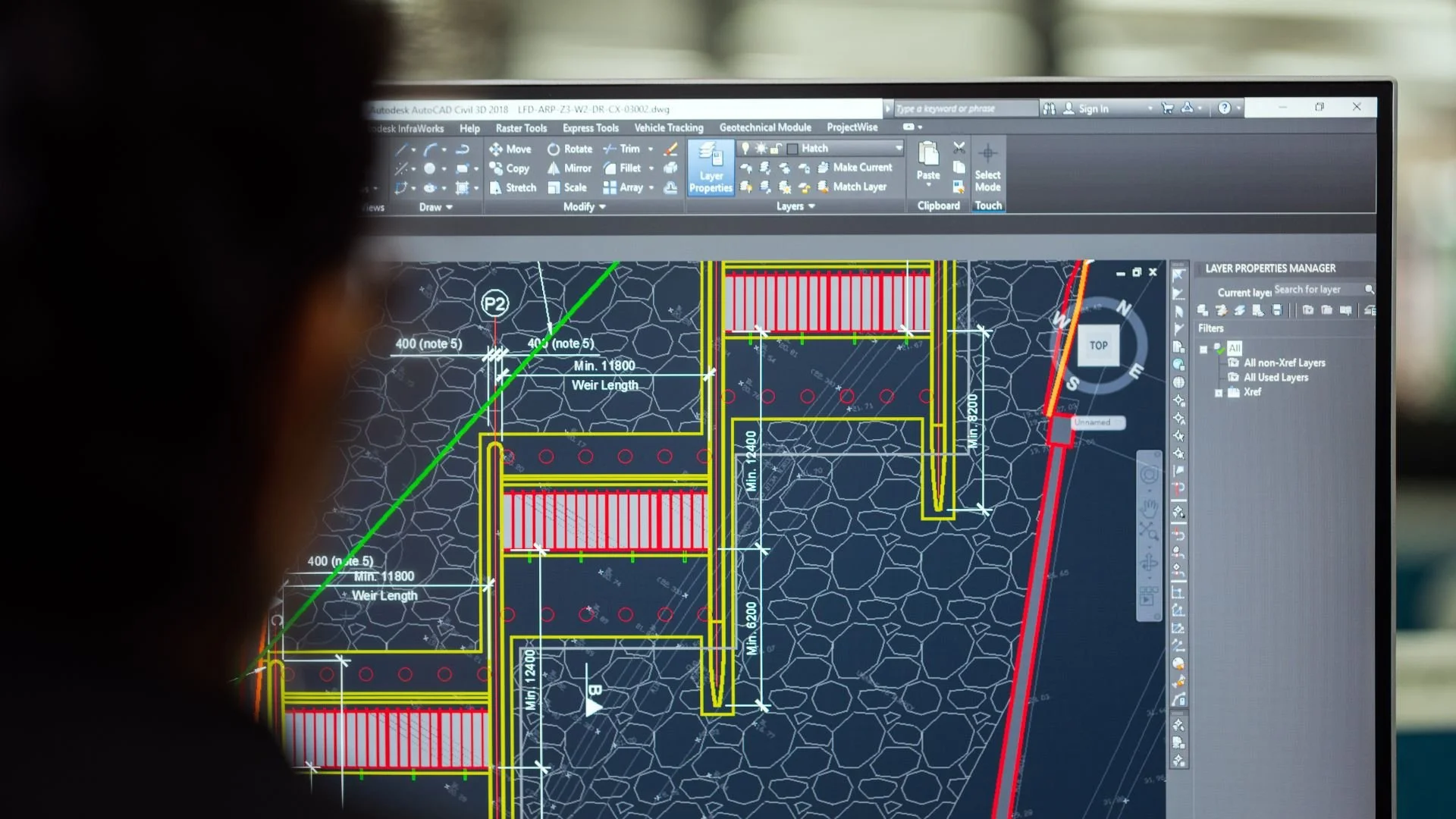
“A lot of what day-to-day looks like for me is reviewing contractor drawings… making sure that the designs they’re putting in place for the substation are fit for purpose [and] meet our specifications”
This means scrutinising layouts, safety clearances, access routes, and how people will physically move through the site.
“A lot of the design of a substation is making sure that if you have a fault on one part of the network, you’re still able to operate the rest of the network”
Alongside substation design, many days include time spent on her specialist area: overhead line noise. This involves data analysis, modelling, and research:
“I’m analysing quite a lot of data at the moment because we’ve been monitoring some overhead lines… to create a more optimised model for estimating noise. I basically support the business in doing environmental impact assessments to make sure that our projects aren’t going to impact local communities” .
When projects move into construction, her day shifts from desk-based work to being physically present on site:
“When everything goes to construction, I’ll be on site a lot more, again making sure that everything’s working smoothly and that design looks the way we want it to look”"
Breaking that down more specifically:
Designing and reviewing technical engineering plans
Solving complex problems and making technical decisions
Using data and analysis to assess real-world impacts
Working with other engineers, specialists, and contractors
Checking that systems are safe, practical, and reliable
Visiting sites to see designs turned into reality
The Summary
Substation Project Engineers design and check the infrastructure that moves electricity safely from where it’s generated to the people who use it.
So if you enjoy solving technical problems, working with drawings and data, and collaborating with other engineers to turn designs into long-lasting, real-world infrastructure, this role offers a challenging and rewarding engineering career.
