

Substation Project Engineer
This page gives you the real story about what it's like to be a Substation Project Engineer (with insights from people actually doing the job).
Your goal: Decide if this sounds interesting enough to explore further, or if it's clearly not for you. Both answers are useful!
It will take about 5 minutes to read through - by the end, you'll know if this is worth exploring or if you should look at something else.
What is this job?
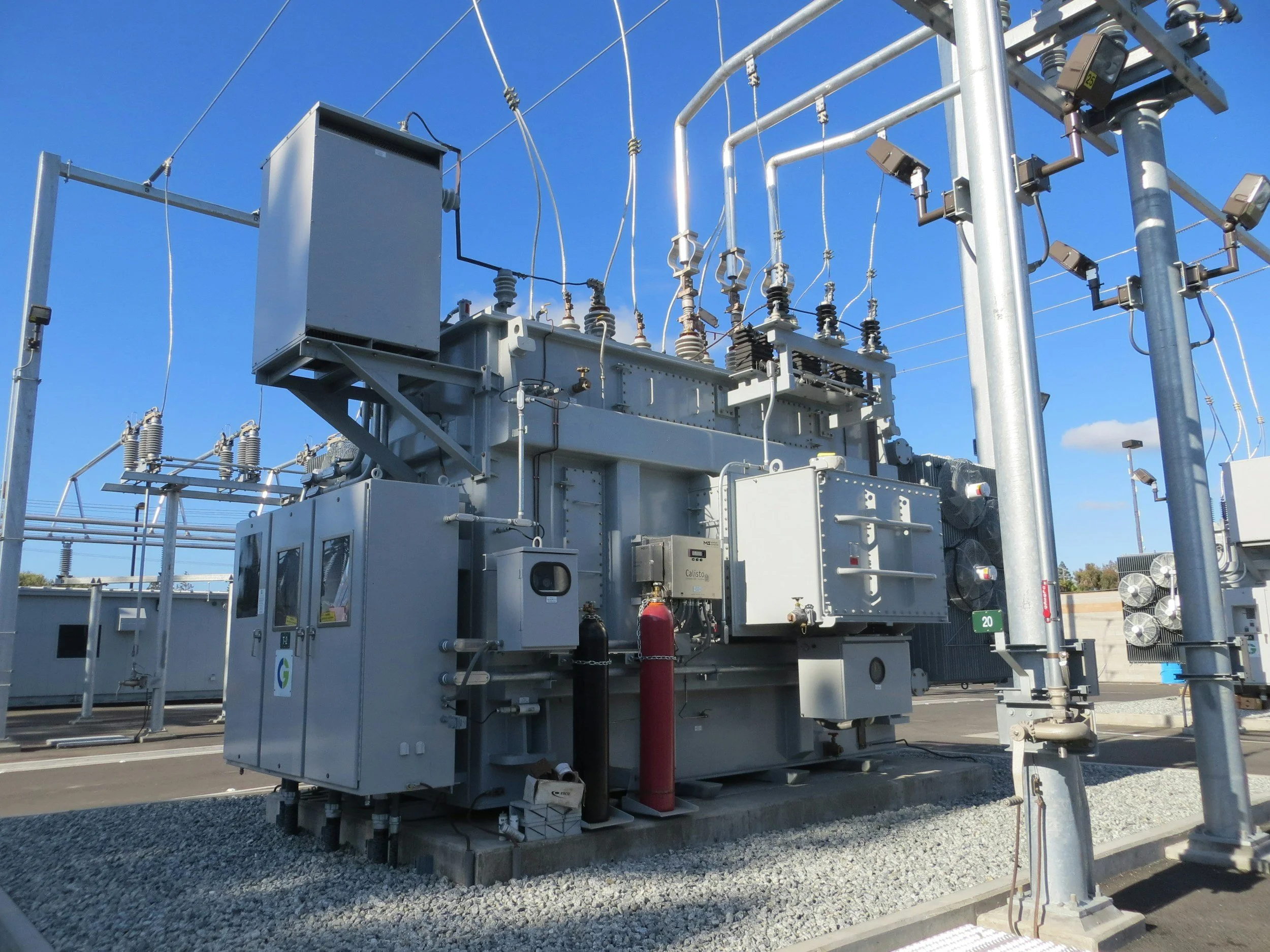
When electricity gets generated at a wind farm or power station, it needs to travel to your house. But it can't just flow straight there. The voltage is way too high. Substations are the places where that electricity gets transformed from dangerously high voltages down to something safe and usable. Substation project engineers design those substations.
Think of it like this: electricity travels across the country on motorways (high voltage transmission lines), but it needs junctions and slip roads to get to local streets (your home). Substations are those junctions. Someone has to design them so they're safe, reliable, and will work for the next 40 to 50 years. That's where you come in.
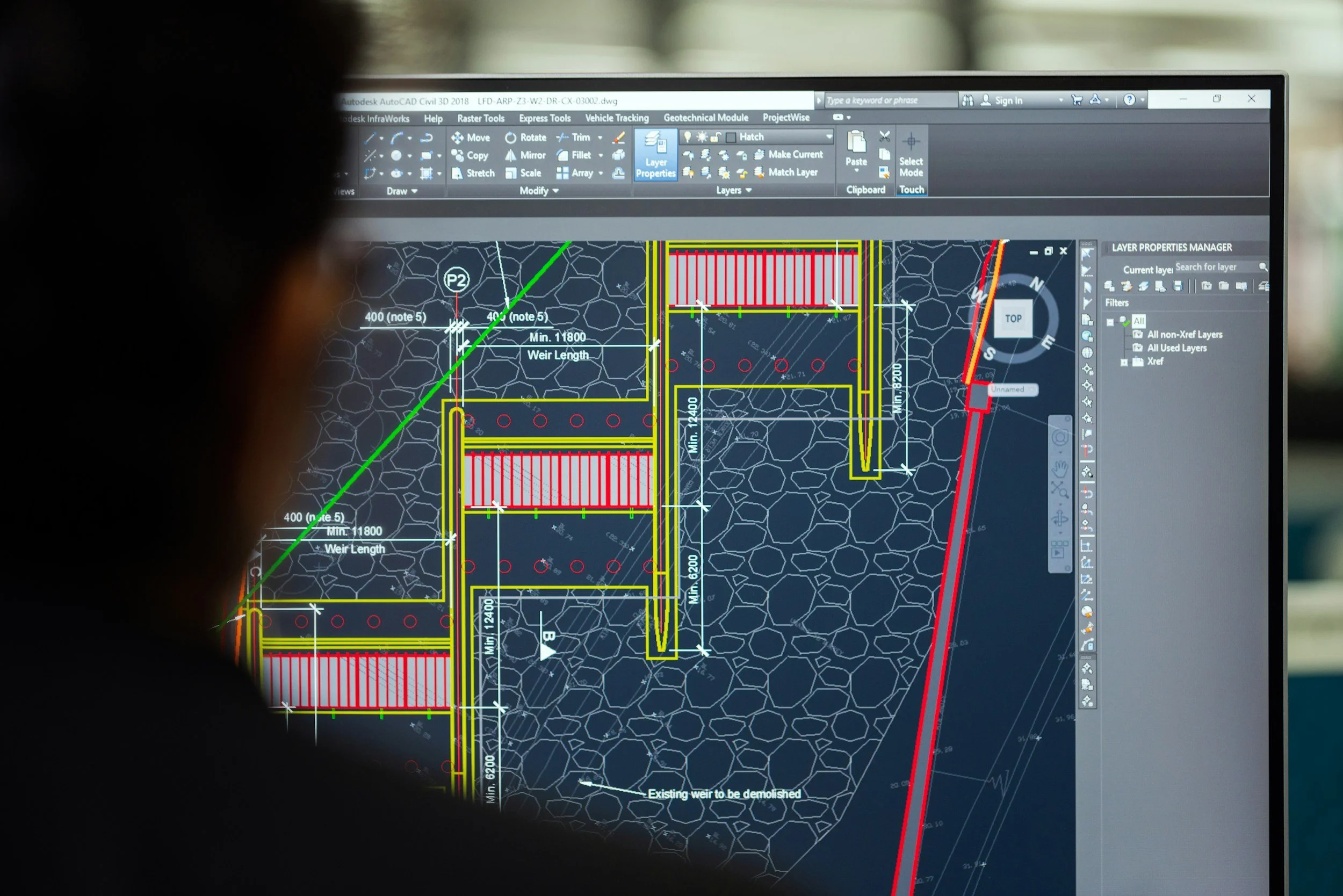
You're not physically building the substations yourself. You're the person who reviews the designs, checks the drawings, and makes sure everything fits together properly before construction starts. It's technical work that involves understanding electrical systems, reading detailed diagrams, and spotting problems before they become expensive mistakes.
Right now, with the push towards renewable energy and net zero, this industry is growing fast. There's a lot of new infrastructure being built to connect wind farms and transport clean energy across the country.
What do they do day to day?
You work mostly at a desk, but with regular site visits. Most of your time is spent reviewing technical drawings and making sure designs are right before anything gets built.
Design review:
- Checking contractor drawings for substations, making sure they meet specifications
- Looking at layouts to ensure electrical clearances are correct (the safe distances between components)
- Making sure safety clearances allow operations teams to actually access and work on the equipment
- Checking that the right plant and equipment is included in the design
Understanding the technical side:
- Learning how different electrical components work together: circuit breakers, transformers, disconnectors
- Understanding how one part of the system affects another
- Reviewing whether designs will work for the specific location and environment
- Checking designs comply with industry standards and regulations
Who you work with:
- Contractors and consultants who produce the detailed designs
- Operations teams who will maintain the substation for decades after it's built
- Environment and consent teams who consider the impact on local areas
- System planning teams who model how electricity flows across the network
- Protection and control engineers who handle the more complex electrical systems
Where you work:
- Mainly office-based during the design phase, often with flexible home working
- More site visits during construction to check everything matches the designs
- Witnessing factory acceptance tests to see equipment being tested before installation
- Travel to substations which can be in remote locations (islands, highlands, rural areas)



How much do they earn?
Salaries vary depending on the company, location, and your experience level. Here's a rough guide for substation project engineering roles:
Higher Apprenticeship £24,000 - £30,000 per year
Three-year programmes where you earn while training. Companies like National Grid offer these with starting salaries around £24,000 to £30,000, plus free accommodation and travel during training blocks.
Trainee Engineer Programme £23,500 - £33,000 per year
For those without a degree who want to work towards an HNC/HND. Starting around £23,500, rising to about £33,000 on completion.
University Graduate £28,000 - £34,000 per year
Graduate schemes at companies like SSEN Transmission start at around £33,500. Two-year programmes with structured placements across different departments.
With Experience £40,000 - £55,000 per year
Once you've got a few years under your belt and understand the systems well.
Senior Level £50,000 - £75,000+ per year
Senior engineers and those with specialist expertise. Some roles at transmission companies advertise up to £75,000 plus car allowance and bonus.
What affects your salary:
- Which company you work for: transmission operators (National Grid, SSEN) tend to pay more than consultancies
- Location: Scotland has a lot of transmission work right now due to renewable energy projects
- Your qualifications: working towards Chartered Engineer status opens doors to higher salaries
- Specialism: expertise in areas like HVDC (high voltage direct current) can command premium pay
Remember: These are approximate figures for the UK and can vary. The energy industry is investing billions in infrastructure right now, so demand for these skills is high and likely to stay that way.
You'll Be Successful In This Career If...
You're curious about how systems connect
You want to understand how one component affects another. In a substation, a circuit breaker connects to a disconnector, which connects to a bus bar, which feeds into the wider network. If you're the type who likes knowing why things are arranged a certain way and how changing one part ripples through the whole system, this kind of thinking is exactly what the job requires.
You notice when small details are wrong
Electrical clearances need to be exact. Safety distances can't be "close enough". If a design has the wrong spacing, someone could get hurt, or the substation won't work properly for the next 40 years. You're checking that contractors have followed specifications precisely. If you're naturally the person who spots when something's slightly off, that instinct is valuable here.
You can think about long-term consequences
The substations you design will be operated and maintained for decades. You need to think not just "does this work?" but "can the operations team actually access this safely in 20 years?" If you naturally consider knock-on effects and future implications rather than just immediate solutions, that mindset fits well here.
You enjoy working with technical drawings
A big chunk of this job is looking at diagrams: elevation drawings, layout plans, single line diagrams. You're checking distances, spotting what's missing, making sure everything fits. If you find technical drawings satisfying to read rather than confusing, and you can picture how a 2D diagram becomes a real structure, you'll enjoy this work.
You like challenges where every situation is slightly different
Even though substations use standard components, every project has its own quirks. The local terrain might be tricky. The environment might create constraints. You're constantly problem-solving within a framework, not just following the same steps every time. If you'd get bored doing identical work repeatedly, but like having structure to work within, this balance might suit you.
The Bottom Line
If you're curious about how electrical systems connect, comfortable reading technical drawings, naturally detail-focused, enjoy varied challenges within a structured field, and think about long-term consequences, then substation project engineering could be a strong fit for you.
The routes to the role:
Advanced Apprenticeship (Level 3): £24,000 - £26,000 per year
- Three-year programme combining training centre time with on-the-job learning
- Work towards qualifications like City & Guilds Level 2/3 in Electrical Power Engineering
- Requires five GCSEs including Maths and English at grade 4/C or above
- Companies like National Grid provide free accommodation and meals during training blocks
- Leads to technician roles, with pathways to progress into engineering positions
Trainee Engineer Programme: £23,500 - £33,000 per year
- For those without a degree who want to work towards engineering qualifications
- Typically three to four years, studying part-time for an HNC/HND
- Starting salary around £23,500, rising to about £33,000 on completion
- Placements across different teams: maintenance, design, operations
- Can progress to Chartered Engineer status with further development
What helps you stand out:
- Maths and physics at A-level or equivalent, plus a genuine interest in how electrical systems work
- Any work experience in the industry, even just a week of placement
- Actually researching what the job involves and what the company does
- Understanding the basics of the energy sector: what Ofgem is, how renewables connect to the grid
- Being able to explain why you want this specific role, not just "I like engineering"
Higher Apprenticeship (Level 4/5): £24,000 - £30,000 per year
- Three-year programme that includes studying for an HNC or Foundation Degree
- Requires A-levels (including Maths or Physics at grade C or above) or equivalent BTEC
- More design and planning focused than the Level 3 route
- National Grid and SSEN both offer these programmes
- Leads directly into engineer roles on completion
University Graduate Scheme: £33,000 - £34,000 per year
- Two-year structured programme with rotations across different departments
- Requires a degree in electrical engineering, power engineering, or related subject
- SSEN Transmission and National Grid both run graduate schemes
- Higher starting salary but you'll have student debt
- Fast-track route into specialist engineering roles
Insights from people who do the job

Isobel Green
Substation Project Engineer at
SSEN Transmission