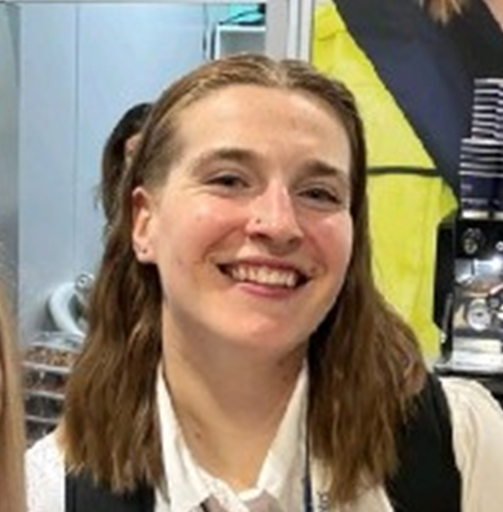
Isobel Green
Substation Project Engineer
at SSEN Transmission
How I got here
I grew up in Aberdeen and Aberdeenshire, so I always thought I'd go into the oil industry. That's just what everyone did around there.
I've known since I was about 10 that I wanted to be an engineer. I had this plan: go to university, get a job, get my chartership. That was the goal.
This job was actually the first interview I had, and the first offer I got. I'd heard good things about it, so I thought I'd give it a go. To be honest, I didn't really know much about transmission when I started. It's not an industry that's particularly good at telling people how interesting the work actually is.
Now I've got my chartership goal nearly sorted, and I'm not quite sure what comes next. But that's a good problem to have.
What I actually do day-to-day
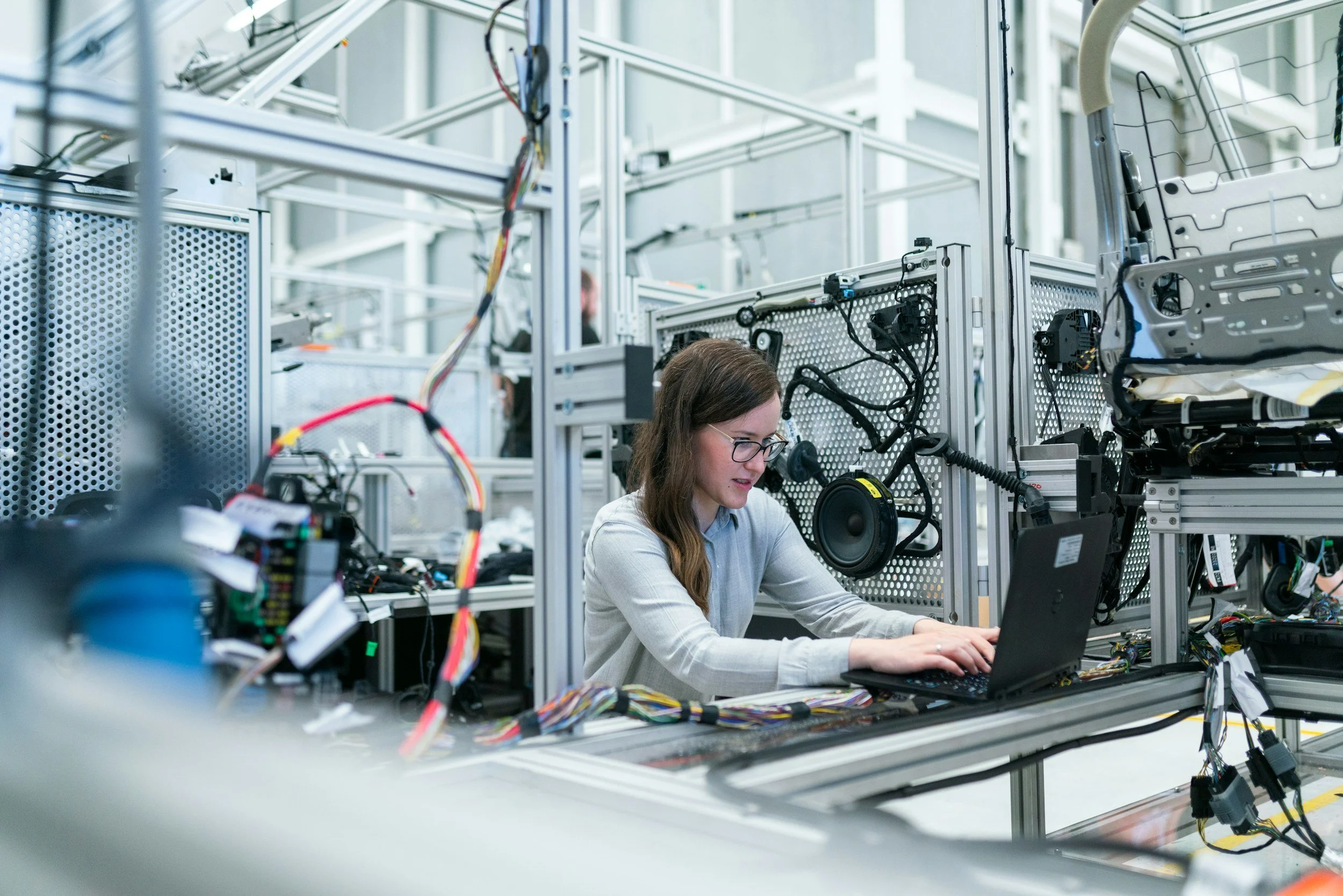
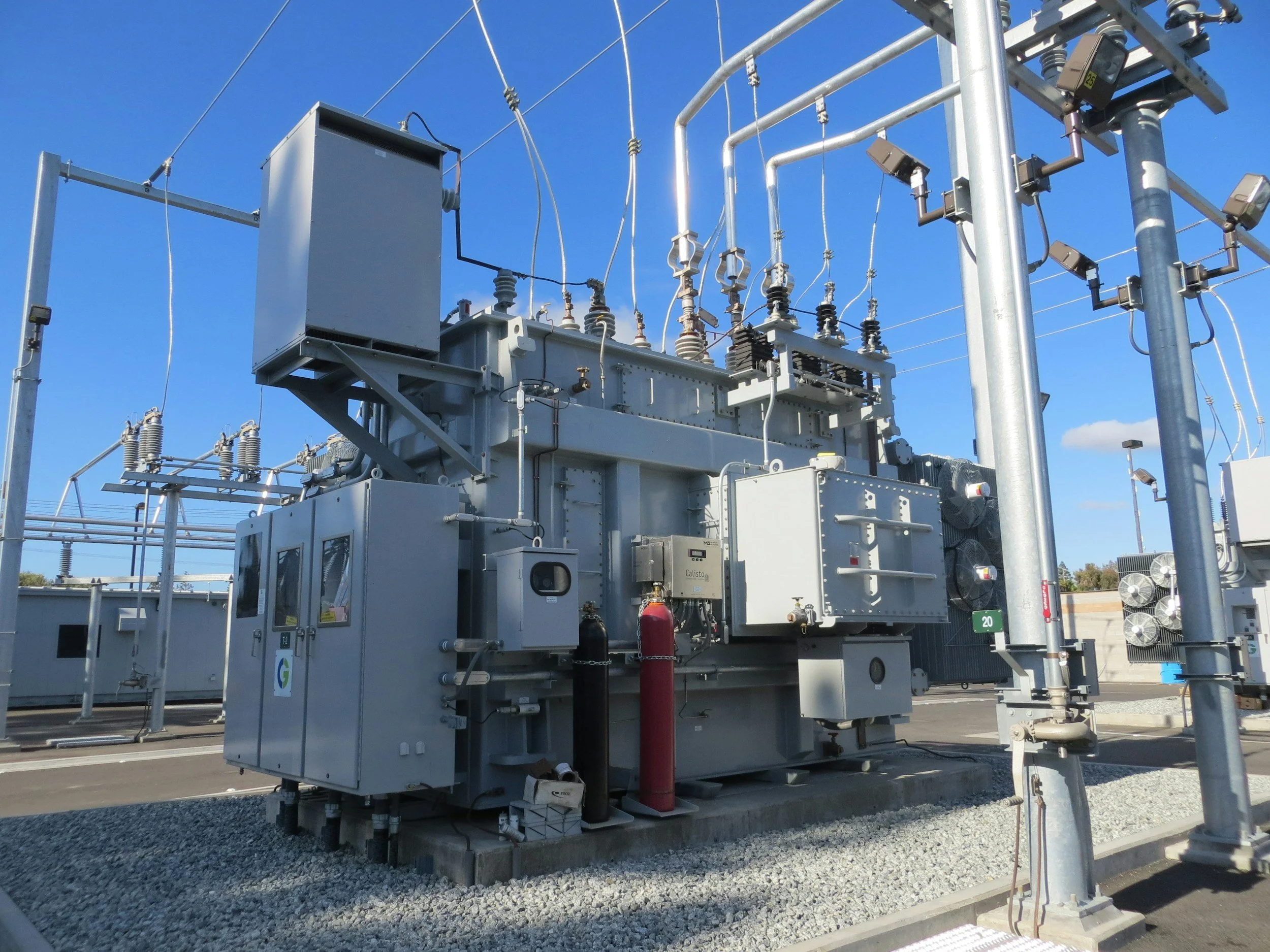
I have a dual role. Day-to-day I'm a substation project engineer, and my patch is Skye. I've got quite a lovely part of the network in Scotland. I'm responsible for designing the substations that transport electricity from wind farms to people's houses.
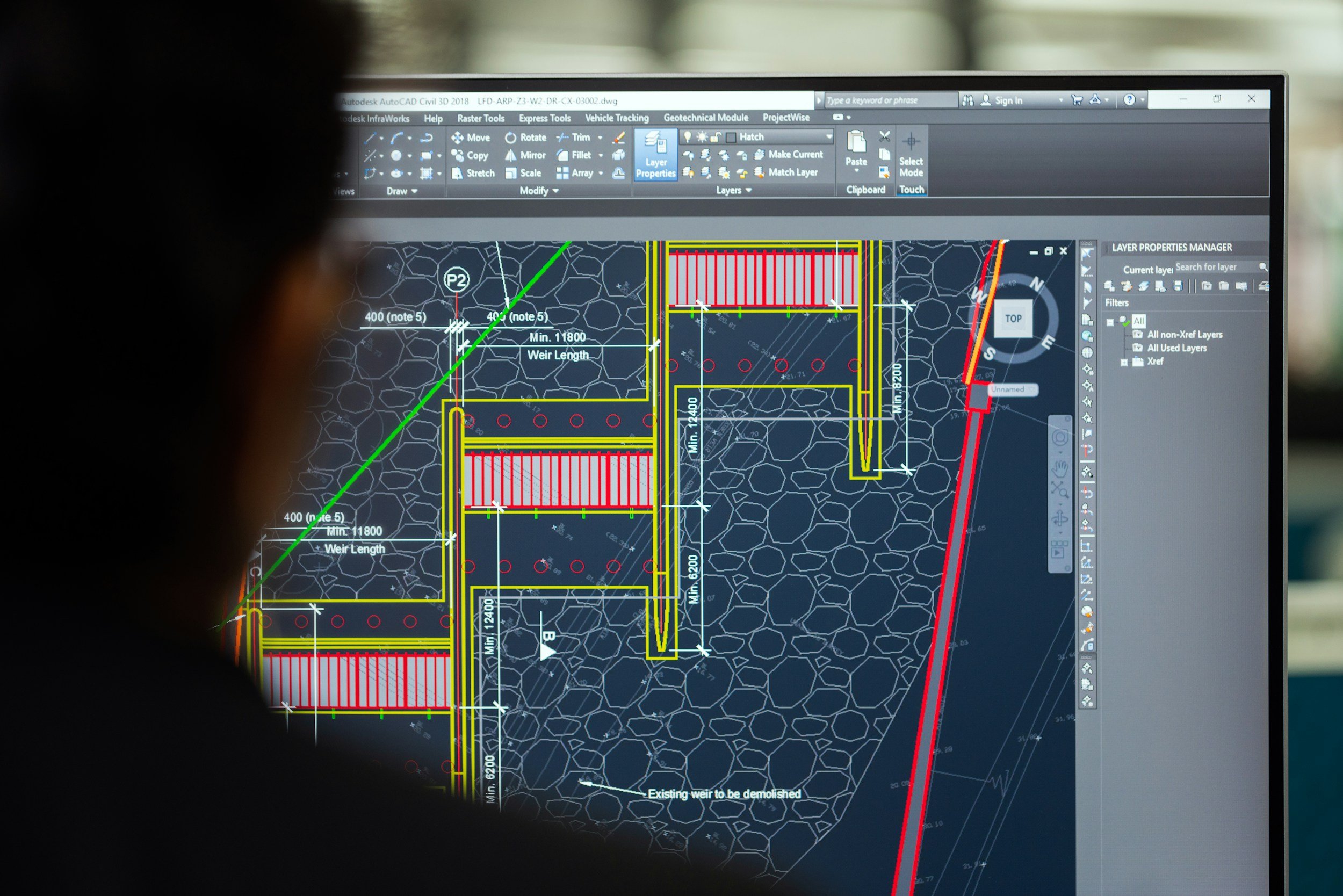
Right now we're in the early design phase, so a lot of what I do is reviewing contractor drawings. I'm checking that the designs they're putting in place meet our specifications and are fit for purpose. I also need to make sure they're practical, because our operations teams are going to look after these substations for the next 40 to 50 years. They need to actually be able to operate the switch gear and access everything safely.
When we move into construction, I'll be on site a lot more, making sure everything's being built the way we designed it.
The other side of my role is being a technical specialist in overhead line corona-induced audible noise. That's the buzzing sound you get from overhead lines when it rains. I support the business in doing environmental impact assessments to make sure our projects aren't going to impact local communities. I'm also working on innovations that are pushing forward how we estimate and deal with noise. Some of that involves working with UK groups and international collaboration with people from across the industry.
What I enjoy about it
I love the challenge. It's really difficult some days. There are problems where you look at them and think, I have no idea how we're going to manage this. But when you do figure it out, that's the best feeling in the world.
I'm autistic, and I tend to describe my brain a bit like a through train station. There are just trains going all the time, and every now and then one of them derails and messes up my whole day. But when I'm working on a problem like this, the trains just run smoothly. They know exactly what's going on. It lets my brain do what it wants to do, and I can just focus on this one thing.
The industry is changing massively at the moment. It's having to innovate at a ridiculous speed, and that's really exciting. On the noise side, I'm pushing innovations that are world-leading. It's just so cool to be able to do that kind of thing.
There are days when I'm stressed to bits, but I wouldn't change it for the world.

What you learn on the job
You need to be curious. You've got to understand each component: what it does, how it affects something else. If you don't understand why you're doing something, you won't get the whole picture.
Every single day is different. Every connection job, even though we're pulling standard pieces off the shelf, is going to have its own challenges and its own intricacies that you've not dealt with before.
Soft skills matter more than people talk about. You're working in large teams, not just within engineering but across other disciplines. There are environment and consent teams, system planning teams, operations teams. Being able to collaborate across all of those is incredibly important.
My advice
Ask all the questions. Don't be afraid to ask. There's no such thing as a stupid question. Come and talk to us, come and ask us things.
If you're applying, I'd be looking for someone who has a passion for the technical side. Maths, physics, engineering. Someone who's actually done their research. If you understand what the company does, what Ofgem is, how renewables fit into it, I look at that and think: they're actually interested in this job. They really want this.
Do internships if you can. Do placements, even if it's just a week of work experience with us or another company in this industry. It's getting that experience and showing you genuinely want to be here.
And be ambitious. Have goals. I've had my plan since I was 10. Not everyone knows what they want when they're growing up, but showing that you're thinking about your career and where you want to go makes a difference.