

Social Value Coordinator


This page gives you the real story about what it's like to be a Social Value Coordinator (with insights from someone who’s actually doing the job).
Your goal: Decide if this sounds interesting enough to explore further, or if it's clearly not for you. Both answers are useful!
It will take about 5 minutes to read through - by the end, you'll know if this is worth exploring or if you should look at something else.

What do they do?
When a company builds something big - like installing a new heating system at a hospital or creating an energy centre at a university - it disrupts the local area. There'll be construction noise, car parks dug up, roads blocked. A social value coordinator makes sure the company gives something back to that community while the work happens.
Their job is to work out how a project can benefit the people affected by it. They read through what the client cares about (maybe an NHS trust wants to reduce single-use plastics, or a university wants to support local employment), then figure out how to make it happen with the budget available. It's part detective work (reading plans and documents to understand what people need), part creative problem-solving (coming up with ways to help), and part practical delivery (actually making those commitments happen).

How much do they earn?
Salaries vary depending on the company, location, and your experience level. Here's a rough guide for control and protection engineering roles:
Apprentice (Modern/Graduate Apprenticeship) £14,000 - £25,000 per year
You're learning on the job while earning
Uni Graduate £25,000 - £32,000 per year
With Experience £28,000 - £38,000 per year
Senior Level £40,000 - £55,000+ per year
What affects your salary:
The size of the company you work for
Whether you're in a city (usually higher) or a smaller town
The specific sector you're in (energy, utilities, infrastructure)
Additional qualifications in sustainability, community development, or project management
Remember: These are approximate figures for Scotland and can vary. The good news is there's clear progression as you gain experience.
You're patient
You'll rewrite the same proposal eight times because someone has a better idea, or new information comes out, or you realize you could do it differently. If you're someone who gets frustrated having to go back to something you thought was finished, this will drive you mad. But if you can see redoing work as making it better rather than wasted effort, you'll be fine.
You'll Be Successful In This Career If...
You're good with people
You'll be talking to people constantly - hospital staff, charity coordinators, people on building sites, colleagues across different teams. If you're someone who finds talking to new people exhausting or would rather just work alone, this will be tough. But if you enjoy chatting to different people and building relationships, that's a real asset here.
You like reading and research
You'll read through hospital green plans, council documents, charity objectives, project proposals - lots of reading to understand what people actually need. If you find reading boring or can't focus on documents for long, you'll struggle. But if you quite enjoy digging through information to find the useful bits, that's half the job.
You're flexible and calm with change
Plans change constantly in this job. You might get told at 4pm that you need to be on a site visit the next morning. Your carefully planned Thursday of data work gets replaced with an urgent bid proposal. If you're someone who needs a set routine and gets stressed when things don't go to plan, this isn't for you. But if you can roll with changes and stay calm, it works well.
You see opportunities to make things better
When there's a problem in your community or someone needs help, are you the type of person who thinks "maybe I could do something about that"? This job needs people who genuinely believe they can make a positive difference - even if it's just small changes. if you naturally look for ways to help and get satisfaction from making things better, that's exactly the mindset you need.
The Bottom Line
If you're patient with changing your work, flexible when plans shift, enjoy talking to people, genuinely want to make the world better, and don't mind reading lots of documents, this role offers a chance to do meaningful work that actually helps communities.

Meet Isabelle – Social Value Coordinator at Vital Energi
Isabelle works on the graduate programme at Vital Energy, making sure big construction projects give something back to the communities they're working in.
What the job actually involves
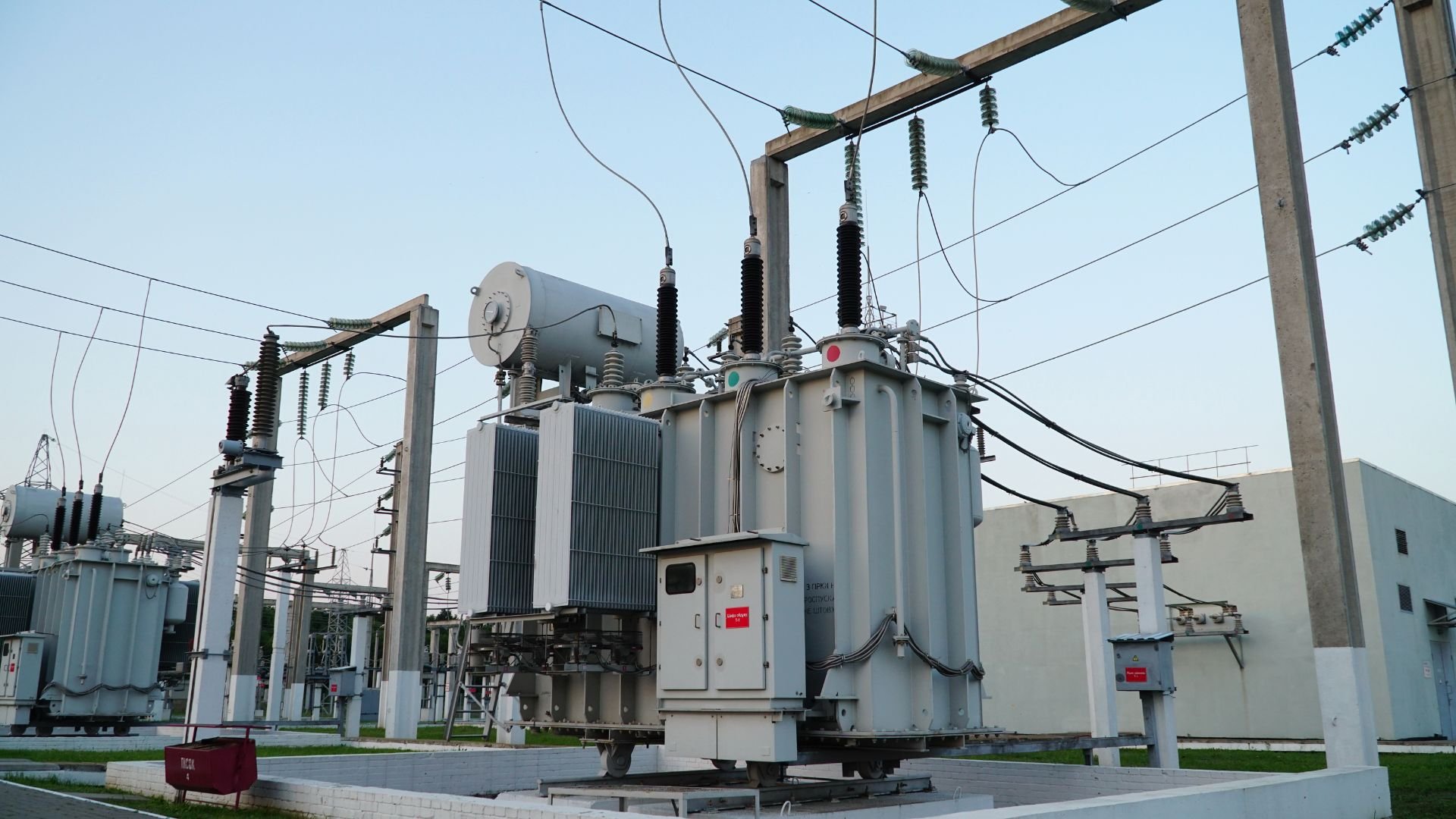
Isabelle works on big projects like heat network installations at hospitals and universities. Her job is split between office work and being out in the community seeing the projects happen.
A big part of her job is reading through documents to understand what clients actually care about. If it's an NHS hospital, she'll read their green plan to see their goals - maybe they want to reduce single-use medical equipment or help staff be more sustainable in their daily lives.
"So for example, the NHS in general are trying to steer away from single use medical instruments wherever possible and replace them with renewable ones. So we could say look, you've given us a budget of £30,000 towards social value on this project, we're going to use £5,000 to create a park and ride system for your staff while we dig up the car park so they're not disrupted getting to work, and then we'll give you £15,000 towards investing in new renewable reusable medical supplies and the rest of the money can be donated to charities of your choice."
And then there are the days out in the community - visiting installation sites, planting trees at universities, helping with charity donations.
"I showed up on my first day and my manager had spare PPE so I've been really fortunate because I've been able to go out and start visiting installation sites and see what's going on and the guys on site are really good because they'll give you a tour and they'll explain what stage they're at in the project. They'll teach you - this is what this is, this is how it works, do you want to touch it? Do you want to stand next to the air source heat pump and feel how cold the air is from it literally pulling the heat out of the air? It wasn't sort of read all of this and absorb what we've done. It's like right, do you want to go and see a building site? Get in the car, which is absolutely the best way to learn."
Why she likes it
Isabelle loves that she gets to use both her environmental science degree and all the people skills she developed working in hospitality through university. It's not just desk work and it's not just being out and about - it's a genuine mix.
"A lot of people from my graduating class, the ones that have found jobs, are all in data analytics. And I'm like, what did you do today? And they're like, looked at spreadsheets. What did you do today? And I'm like, I went to donate and sort out a bunch of clothes to a children's charity in Solihull and got to tour a building site. So I do firmly believe, as biased as I am, that I have one of the best jobs in the world."
Her career journey
Isabelle's path wasn't straightforward. She worked in hospitality all through her degree in environmental science, graduating in July 2024. When she started applying to graduate schemes, she went for an environmental advisor position at Vital Energy but didn't get it.
"When I was talking to the talent acquisition manager when I didn't get the job, she was like oh, we really like you, so we'll keep you on file and we'll let you know if anything comes up. And I was thinking, oh, they all say that."
But a month later, Isabelle messaged to ask when the next round of positions would be. The manager called her immediately - they'd just created this social value coordinator role an hour earlier and thought it would be perfect for her.
"They emailed me the job description that day and I went back to Blackburn to interview for this job and got the offer a few days later and then started a week after that."
Her best advice if you want a role like this
"You have to be flexible because I've had days where on a Tuesday at 4pm when I finish work at 4:30, I've been told oh, we're needed in Solihull tomorrow, let's book you train tickets now. You can't be stressed by change. You can't be a person who likes to have a plan and stick to it because 99% of the time your plan and sticking to it is not going to happen."
For Isabelle, the most important thing is having the right mindset - patience, flexibility, and genuine optimism.
"You cannot be a cynic. You have to be a chronic optimist while also being realistic about your capabilities. You have to be optimistic, you can't let the state of the world get you down because you're one of the people that's meant to have the drive to fix it.”

“What Does A Typical Day Look Like?”
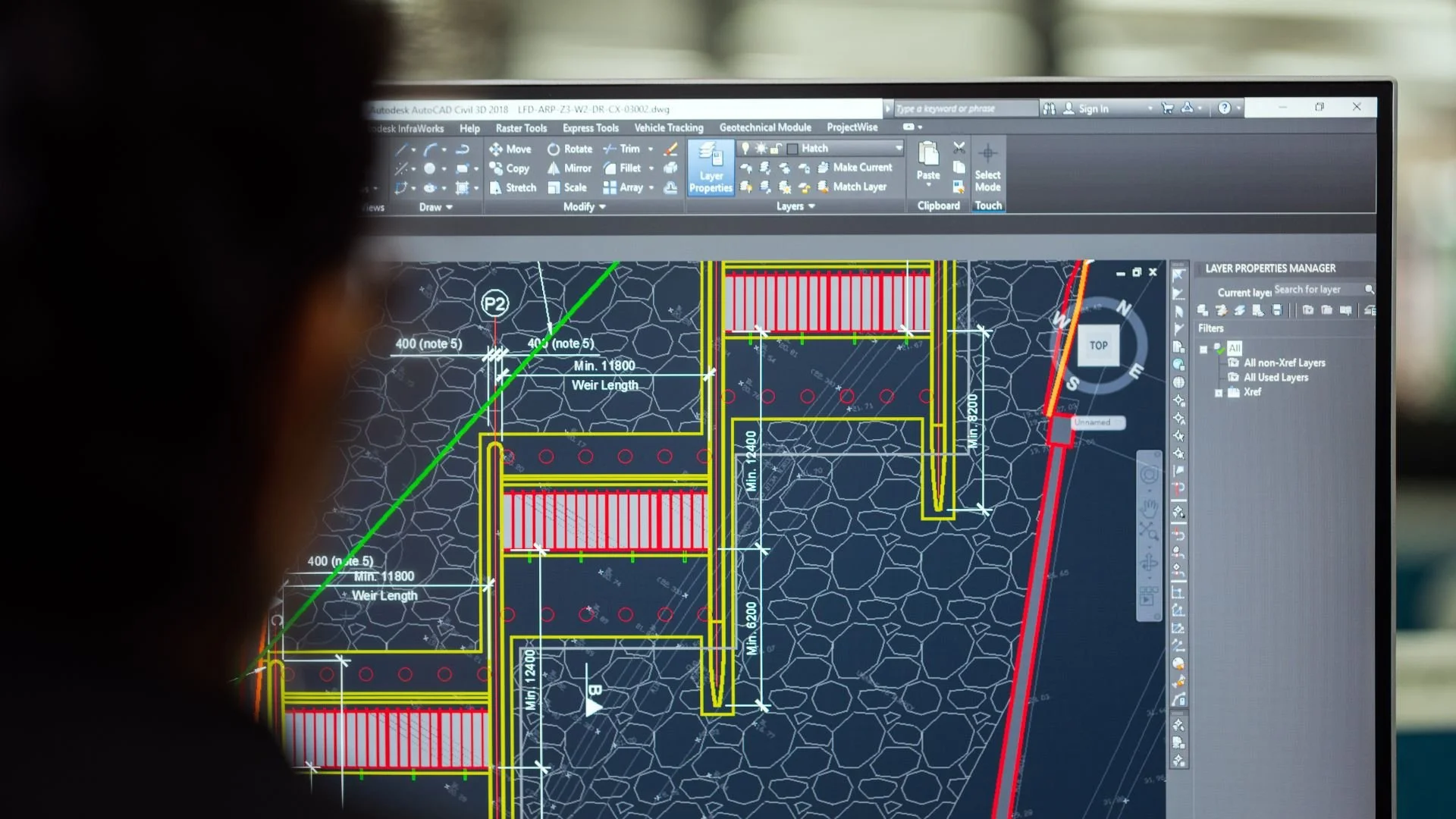
There is no single routine day for Isabelle, but most days sit somewhere between office-based research and proposals, data management, site visits, and community work.
Much of the work involves reading - lots of reading. She'll go through documents to understand what a client cares about and what goals they're trying to achieve. Then she figures out how to help them reach those goals with the social value budget available on the project.
"I'll work on bid proposals so say if a hospital came to us and said we want to put in a heat network, this is sort of the social value area we're geared towards and what we want. I'll look at how we can facilitate that and then some days, some afternoons I'll do what I did at Lancaster, so I will go down and I will help with the community initiatives that we've put in place to support projects."
Then there are site visits - putting on PPE and visiting construction sites to see heat pumps being installed, energy centres being built, understanding what stage different projects are at. The people on site give tours and explain how everything works.
"Some days it's half a day of office, half a day of out and about helping the communities doing what we've pledged. I'll have some days more office based doing a mix of data transfer and working on these bid proposals, and then I'll have some days like I had last week where I was fully on site."
Breaking that down more specifically:
Reading documents to understand a client’s goals
Writing bid proposals explaining what social value can be delivered
Visiting construction sites to see projects in action
Organising and participating in community initiatives (tree planting, charity work)
Comparing past projects to new proposals to check what's realistic
The Summary
Social Value Coordinators work on construction and energy projects to make sure companies give something back to the communities they're working in - figuring out how to use budgets to genuinely help people, not just tick boxes.
So if you're patient when work needs redoing, flexible when plans change constantly, enjoy talking to different people, and genuinely see opportunities to make things better, this role offers meaningful work where you can actually see the positive impact you're making on communities.
