

Primary Design Engineer


This page gives you the real story about what it's like to be a Primary Design Engineer (with insights from someone who’s actually doing the job).
Your goal: Decide if this sounds interesting enough to explore further, or if it's clearly not for you. Both answers are useful!
It will take about 5 minutes to read through - by the end, you'll know if this is worth exploring or if you should look at something else.
What do they do?
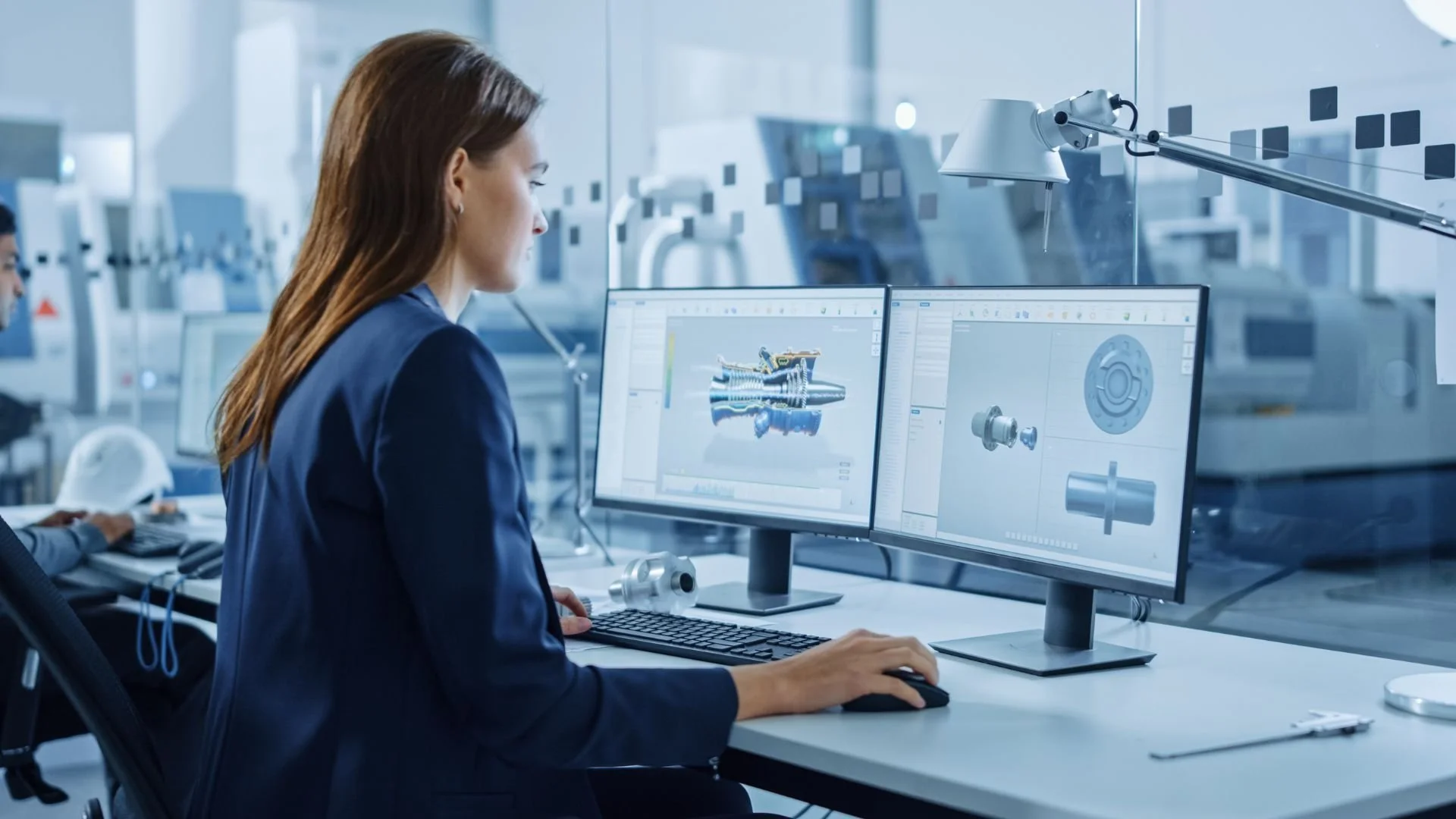
When a hospital wants to cut its energy bills, or a university wants to install solar panels, someone needs to work out if it's actually possible and roughly what it'll cost. That's what a primary design engineer does in the early stages - they're the ones who go out, look at the building, figure out what could work, and get the project started before it goes to the detailed design team.
Their job is to assess sites and model energy solutions. They visit buildings to see what's already there (old lighting that could be replaced with LEDs, roof space for solar panels, heating systems that could be upgraded), then come back and use calculators to work out rough costs and energy savings. It's detective work combined with number-crunching - spotting opportunities at a site, then proving they're worth doing.

How much do they earn?
Salaries vary depending on the company, location, and your experience level. Here's a rough guide for control and protection engineering roles:
Apprentice (Modern/Graduate Apprenticeship) £14,000 - £25,000 per year
You're learning on the job while earning
With Experience £32,000 - £45,000 per year
After a few years in the role with more technical skills
Senior Level £45,000 - £65,000+ per year
Senior design engineers or moving into project management
What affects your salary:
The size and type of company you work for
Your location - London and major cities typically pay more
The specific sector - energy, utilities, construction, consultancy
Additional qualifications (chartered engineer status through institutions like IMechE or IET)
Whether you specialise in a particular area (heat networks, solar, building services)
Remember: These are approximate UK figures. The energy efficiency and decarbonisation sector is booming right now - companies are desperate for engineers as everyone tries to reduce energy costs and meet net zero targets. If you're good at this work, there's strong job security and growing opportunities..
You're curious about how things work
If you're someone who likes understanding how things fit together, working through technical problems, or figuring out why something works the way it does, that curiosity is what keeps the work interesting rather than just being a series of calculations.
You'll Be Successful In This Career If...
You're comfortable with people
You'll chat with facility managers during site visits, explain findings to your team, and present to clients. You don't need to be super outgoing, but you do need to handle professional conversations without getting anxious.
You can juggle multiple things
You might be working on calculations for one building, get pulled into a site visit, then switch to modelling a completely different project - all in one day. If you can handle switching between tasks without losing track of what you're doing, you'll do well.
You want to see how things work in real life
This job isn't just sitting at a desk looking at drawings - you visit sites to see where equipment will actually go and understand the physical space. If you learn better by seeing and touching things rather than just reading about them, that's a real advantage here.
You’re organised
When you're managing site surveys for dozens of buildings and multiple Excel models, other people need to understand your work if you're not there. Keeping files organised, notes clear, and knowing where everything is becomes essential pretty quickly.
The Bottom Line
If you can switch between tasks without getting flustered, stay organised when juggling multiple things, talk professionally with different people, like seeing how things work in the real world, and genuinely care about sustainability, this role offers meaningful engineering work in a growing industry.
Meet Kamil – Primary Design Engineer at Vital Energi
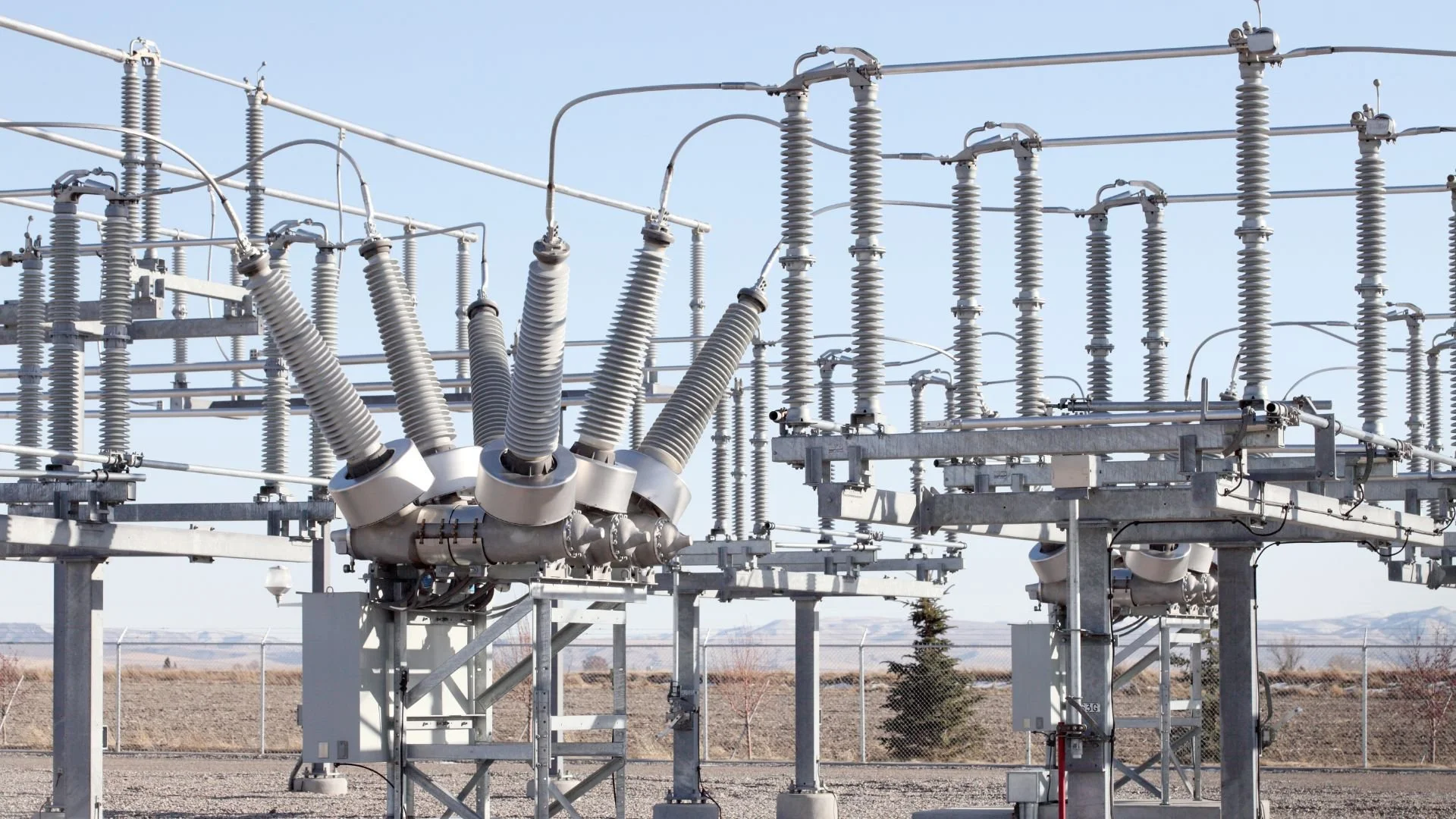
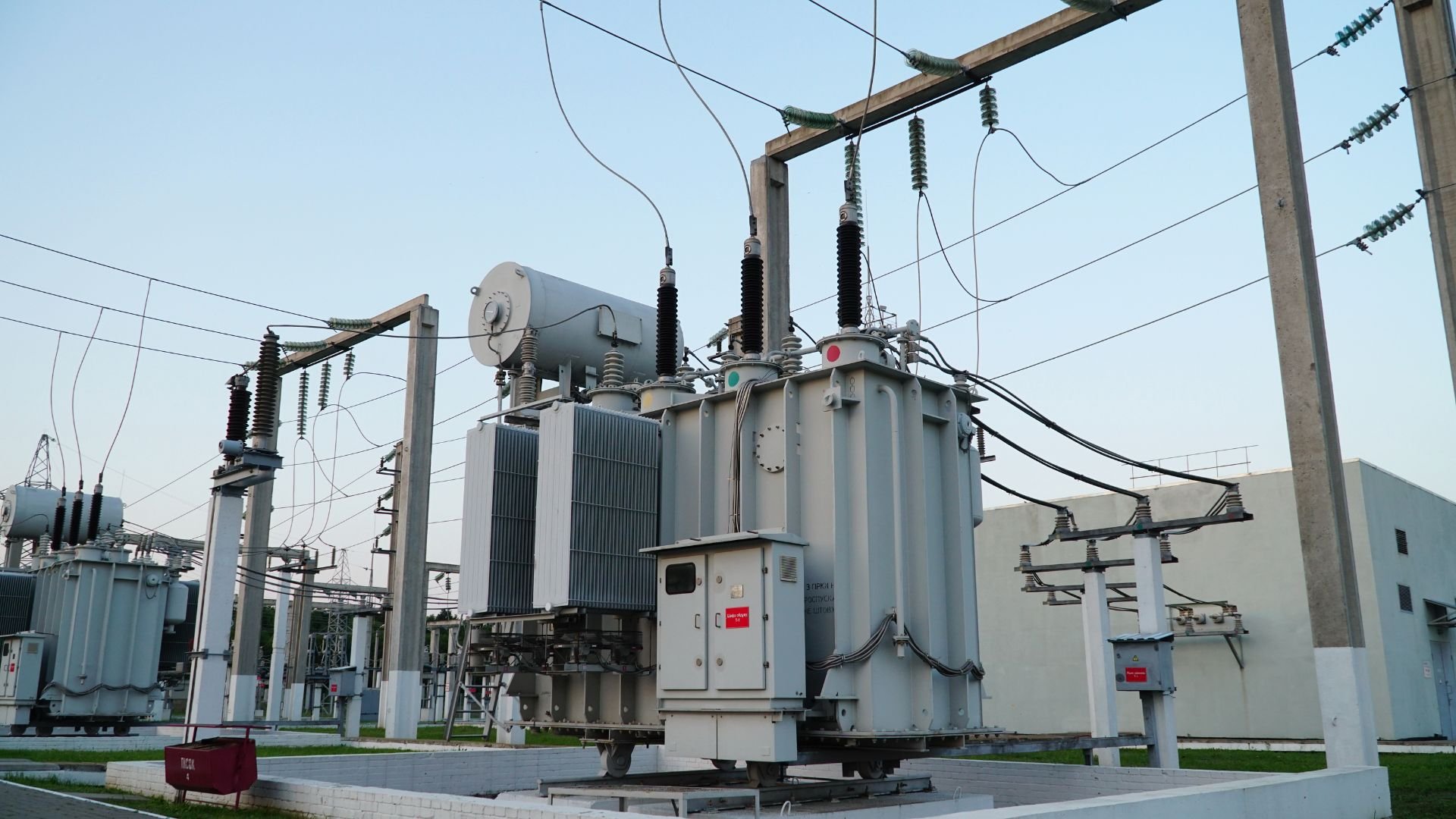
Kamil works in the early stages of energy projects, visiting sites to assess what's possible and modelling solutions before they go to detailed design.
What the job actually involves
Kamil works on projects where buildings want to become more energy efficient - maybe a council with 61 buildings that need upgrading, or individual sites wanting heat pumps or solar panels. His job is to go out and assess what's actually possible.
"You go over to some of the sites and you do a quick site survey, so you go around and see all of the things like whether they've got LEDs, whether they've got space on the roof for solar panels, all these kinds of things that we call energy conservation measures. We come back and we do a little bit of analysis, whether or not they can do any of these measures and we get ballpark figures. So we can give it over to them and see if they want to progress."
The work splits between being on site and desk-based modelling. On site, he's walking around buildings with a clipboard, taking photos, measuring spaces, noting what's already there. Back at the desk, he's putting that information into Excel calculators to work out things like heat loads or how many people use a building, which affects how much hot water they need.
The desk-to-site ratio varies wildly by project. On the Westminster project with 61 sites, Kamil spent three days going nonstop between sites, writing notes, doing modelling. Other projects might be 90% desk work with occasional site visits.
Why he likes it
For Kamil, being able to actually see the projects makes a huge difference. His first engineering job was very different.
"It was very busy, everyone didn't have time to really explain things and they'd give you a design and then they'd put up some markups and you'd draw it, but you're not actually understanding what's going where, where's going where, what is what. You're like a monkey really. I was like, I cannot do this, I really need to understand what's going on, I need to visualise, I need to see it."
At Vital Energy, he gets to visit sites, ask questions, look things up, and understand from first principles rather than just copying drawings.
"Actually going, seeing, having time to look stuff up and figure out what stuff is and really kind of going from that first principles element - I feel like I've learned so much more. Going and actually seeing and thinking oh, there's this amount of space I have to put this in there and actually really doing it rather than just diving into schematics - I think it's really improved me as an engineer."
But the bigger driver for Kamil is the ethical side. He wanted work where he could say he's making things better.
"You want a career that can meet your personal goals, whether it's financial stuff like that and also the creative process. But at the same time you also want something that's ethical and that you can say I've left this place at least making it better than it was before. That was the main driver - I need to find some kind of sustainable engineering role."
His career journey
When he started, he was interested in what Airbus was doing with hydrogen and sustainable aviation fuel. But during uni, he became disillusioned with hydrogen as a solution and started looking at other sustainability areas. He did decarbonization work with AstraZeneca and his dissertation on vertical farming - moving away from aerospace because he didn't want to work in the weapons industry.
"Aerospace is very interesting, even missiles, making stuff like that is very interesting, is very cool. But at the same time you don't want to be doing that. So that's the thing for me - it's finding something that you can work with a clean conscience."
When he found Vital Energy and saw the decarbonization projects they were doing, it clicked. This was sustainable engineering work he could get behind.
His best advice if you want a role like this
He recommends doing projects or dissertations on topics you actually care about - those things differentiate you from other candidates.
"You should try and find some kind of interest because showing interest is the most important thing. I remember when I got this job, the interview process was so funny because I had all these things that I was researching about the company, but they just started talking about my vertical farming project from my dissertation. And I think for about 30 minutes out of the 40 minutes I was there, I was just talking about it. If you have a general interest, it is so apparent if you start talking about it."

“What Does A Typical Day Look Like?”
There is no single routine day for Kamil, but most days sit somewhere between site surveys, energy modelling at the desk, moving between different projects, and working out what's feasible before sending projects to detailed design teams.
The mix of site work versus desk work changes completely depending on the project. On a project like Westminster with 61 buildings to assess, Kamil spent three solid days going from site to site nonstop - visiting buildings, taking photos, writing notes about what energy-saving measures are possible, then coming back to do modelling on each one.
"They sent me out to about nine sites. I did South, about three days I was just nonstop basically going to sites, then coming out, writing notes, trying to do some modeling afterwards."
Other projects might be 90% desk-based with just occasional site visits. It really depends on what stage the project is at and how many locations are involved.
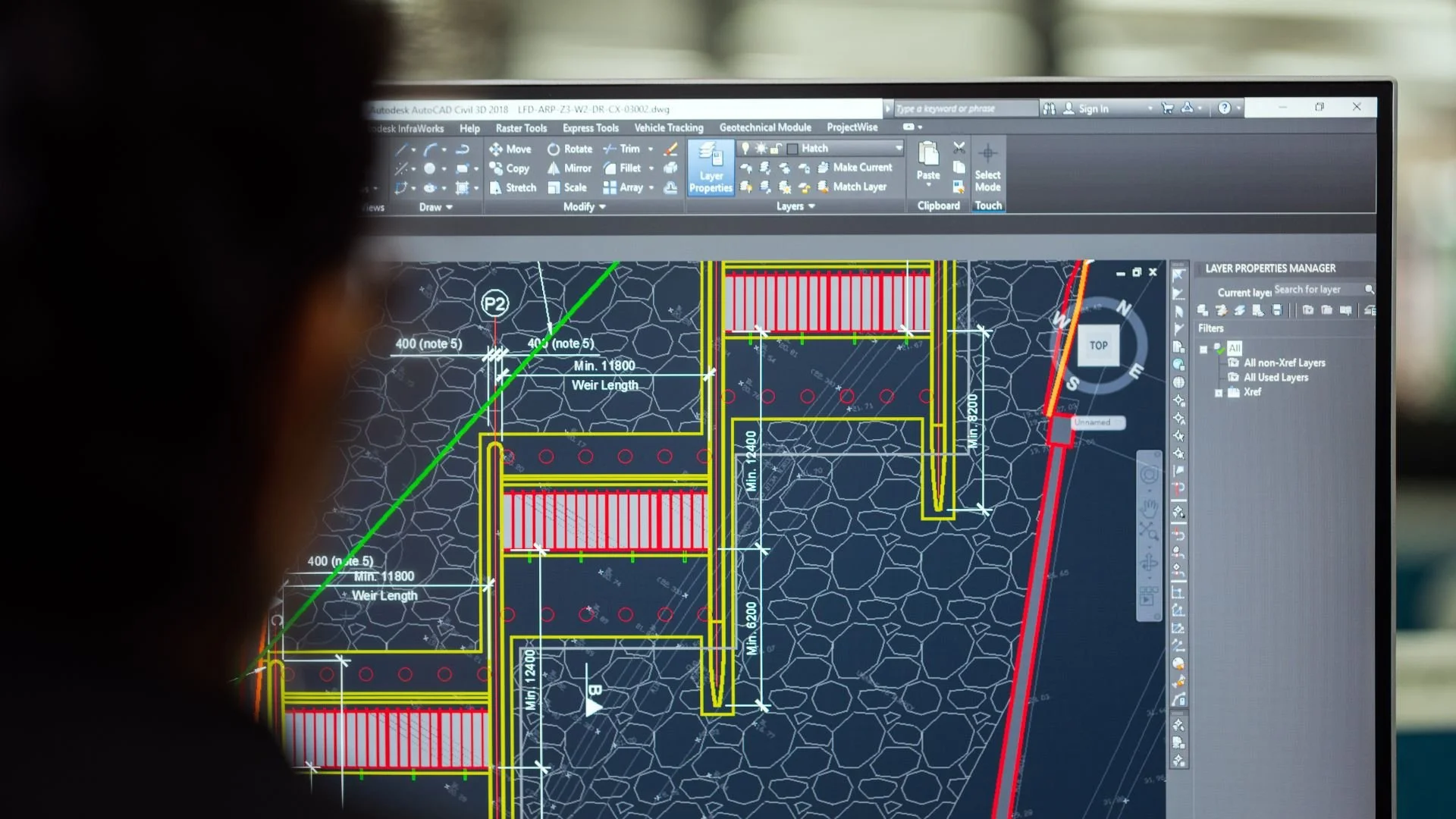
The desk work is mostly Excel-based - using calculators that have already been built to model things like heat loads or energy consumption. It's less about doing equations from scratch and more about making sure your assumptions are right before you plug numbers in.
"Every company just has different calculators that you just put in. So it's less that you're actually going out and doing hand calculations. I think sometimes when you go to uni you really expect to just come down and start writing out massive equations, but it's not really like that. It's already done for you. The intelligence of it is mainly just figuring out your assumptions that you've made and making sure that they're accurate before you just start putting things into calculators."
Because these are early stages of projects, things move quickly. You might be working on calculations for one building, get asked to help with a site survey, then switch to a different project entirely - all in the same afternoon.
Breaking that down more specifically:
Walking around buildings doing site surveys to spot energy-saving opportunities
Taking photos and measurements of spaces and existing equipment
Using Excel calculators to model heat loads, energy consumption, and feasibility
Working out assumptions before running calculations
Moving between different projects as priorities shift
Gathering initial figures to see if projects are worth progressing to detailed designs
The Summary
Primary Design Engineers work in the early stages of energy projects, visiting sites to assess what's possible and modelling solutions to prove they're worth doing before detailed design teams take over.
So if you can juggle multiple tasks without getting flustered, stay organised, like seeing how things work in real life rather than just on paper, and are genuinely curious about how systems fit together, this role offers hands-on engineering work in a rapidly growing industry where you can contribute to making buildings more energy efficient and sustainable.
