

Public Relations Account Executive

This page gives you the real story about what it's like to be a Public Relations Account Executive (with insights from people actually doing the job).
Your goal: Decide if this sounds interesting enough to explore further, or if it's clearly not for you. Both answers are useful!
It will take about 5 minutes to read through - by the end, you'll know if this is worth exploring or if you should look at something else.

What is this job?
Public relations is about managing how organisations communicate with the outside world. When a company, charity, government body, or any organisation wants to get a message across to the public, the media, or specific groups of people, PR professionals help make that happen.
As an account executive, you're usually working for a PR agency that has multiple clients. Each client is an "account" that you help manage. Your job is to understand what the client needs to communicate, figure out the best way to reach their audience, and then make it happen.
The sector is broad. You could end up working on consumer brands, technology companies, healthcare, energy and infrastructure, financial services, charities, government communications, or entertainment. Each sector has its own style and focus, but the core skills transfer across all of them.
What do they do day to day?
Your day changes depending on what projects you're working on. You'll usually be handling multiple clients at the same time, each at different stages.
Research and planning:
Researching target audiences and stakeholders
Understanding who the key people are that your client needs to reach
Planning campaigns and communication strategies
Keeping track of relevant news and trends in your clients' sectors
Content and communication:
Writing press releases, articles, blog posts, and briefing documents
Creating content for social media and websites
Liaising with journalists and media contacts
Preparing materials for events and launches
Client and event work:
Attending client meetings and taking notes on what they need
Organising and running events, whether that's press conferences, community consultations, or launch parties
Managing phone and email enquiries
Reporting back to clients on what's been achieved
The split:
Most of the job is desk-based. You'll spend a lot of time on research, writing, and coordination, with periods of events and face-to-face work. The exact balance depends on your agency and clients.
Where you work:
Mainly from an office or home, with travel for events and client meetings
Agencies range from small teams of 5-10 to larger firms of 100+ people
Hybrid working is common in the industry
Clients change, so you'll work on different projects throughout the year



How much do they earn?
Salaries vary depending on the company, location, and your experience level. Here's a rough guide for PR roles:
Apprentice £15,000 - £22,000 per year
You're learning on the job while earning. Apprenticeships typically last 18 months to 2 years.
University Graduate £22,000 - £28,000 per year
Entry-level account executive roles straight from uni.
With Experience (Account Manager level) £30,000 - £42,000 per year
After a few years, you'll be managing your own clients and projects.
Senior Level (Account Director) £45,000 - £65,000+ per year
Running teams and leading major client relationships.
What affects your salary:
Location matters: London salaries are significantly higher than other UK cities
Agency type: larger agencies and those in specialist sectors tend to pay more
Your sector: some areas of PR pay more than others
Whether you're in-house or agency: agency roles can vary more widely
Remember: These are approximate figures for the UK and can vary. The good news is there's clear progression as you gain experience, and many PR professionals move into senior communications or in-house roles after building their skills.
You'll Be Successful In This Career If...
You enjoy writing and explaining things clearly
A big part of this job is taking information and turning it into something that makes sense to different audiences. If you liked writing essays at school or enjoyed explaining things to others, you'll use that skill every day. You'll spend a lot of time writing reports, press releases, articles, and content.
You can handle both desk work and people work
Some jobs are all desk, some are all people. This one is both, but not always at the same time. You'll have periods of research and writing, then bursts of events and meetings. If you'd get restless doing only one thing, the variety might suit you.
You're comfortable building relationships
PR is fundamentally about people. You'll be building relationships with clients, journalists, stakeholders, and colleagues. If you enjoy meeting new people and maintaining connections over time, you'll find this comes naturally.
You're curious about how organisations and industries work
You'll need to understand your clients' worlds quickly. If you find yourself interested in how different businesses operate, what's happening in the news, or how decisions get made, this could suit you. Good PR people become mini-experts in whatever sector they're working in.
You're organised and can manage multiple things at once
You'll be working on several clients and projects simultaneously, each with different deadlines and requirements. If you're the type who keeps lists, tracks progress, and gets satisfaction from keeping things moving smoothly, this role plays to your strengths.
The Bottom Line
If you enjoy writing, want to understand how different industries work, can handle a mix of desk work and face-to-face engagement, and like the idea of helping organisations communicate effectively, then PR could be a strong fit. The sector is broad, so you can find your niche in whatever area interests you.
The routes to the role:
Apprenticeship:
- Earn while you learn, typically £15,000 to £22,000
- Takes around 18 months to 2 years
- No university debt
- Agencies and in-house teams both offer apprenticeships, though they're less common than graduate schemes
What helps:
- Good Nat 5s and Highers, especially in English
- Genuine interest in how organisations communicate
- Any writing experience, whether that's a blog, school newspaper, or just enjoying essays
- Being able to explain why you want this specifically
University degree:
- Most common route into PR
- Any degree can work, though communications, politics, English, and marketing are common
- Graduate starting salaries typically £22,000 to £28,000
- Some do masters degrees in political communication or PR, but it's not essential
What really matters:
- Networking is huge in this industry. Meeting people at events, joining professional bodies like the CIPR, and building connections can lead to opportunities
- Understanding the specific type of PR you're applying for. Showing you know what the agency does will set you apart
- Having a LinkedIn profile that shows what you're interested in
- Being yourself in interviews. PR is about building relationships, so they want to see the real you
Insights from people who do the job
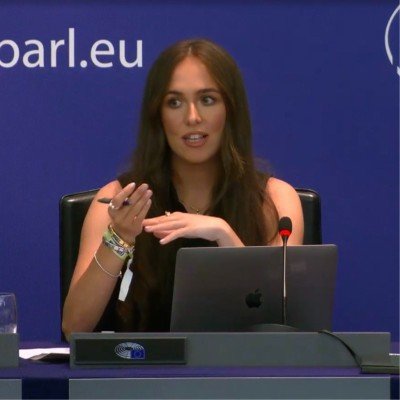
Cara McLaughlin
PR Account Executive at
Copper Consultancy