
Cara McLaughlin
PR Account Executive at
Copper Consultancy
How I got here
At school, I was always interested in things like modern studies, politics, history, English. I was quite interested in writing. I enjoyed doing essays and that kind of thing.
I went from school to uni and did a politics degree. Then I did a political communication masters because I got quite interested in the communications side of things. After that, I did some digital marketing for a conference company that worked across different political groups, covering areas like health and economy.
Then I did a bit of public affairs, which got me into understanding how you engage with political representatives. MPs, MSPs, councillors, that sort of thing. It was a lobbying role, trying to get positive change for different clients. That introduced me to how you work with clients, because working in agencies is quite different from working in-house. In agencies, you're working with different businesses and each one operates differently and wants different things.
After that I did some general communications work at Strathclyde Uni, and then I ended up at Copper. It seemed to bring everything together.

What I actually do day to day
It changes every day because we manage different clients. Sometimes it's quite quiet and then everything happens at once. It goes in waves.
We do report writing and stakeholder mapping. That's digging into communities to see who the local councillors are, what community groups exist in an area, what they're about. We also handle getting coverage in newspapers, putting ads out when there's going to be a consultation. We liaise with newspapers, printers, venues, because we host consultation events.
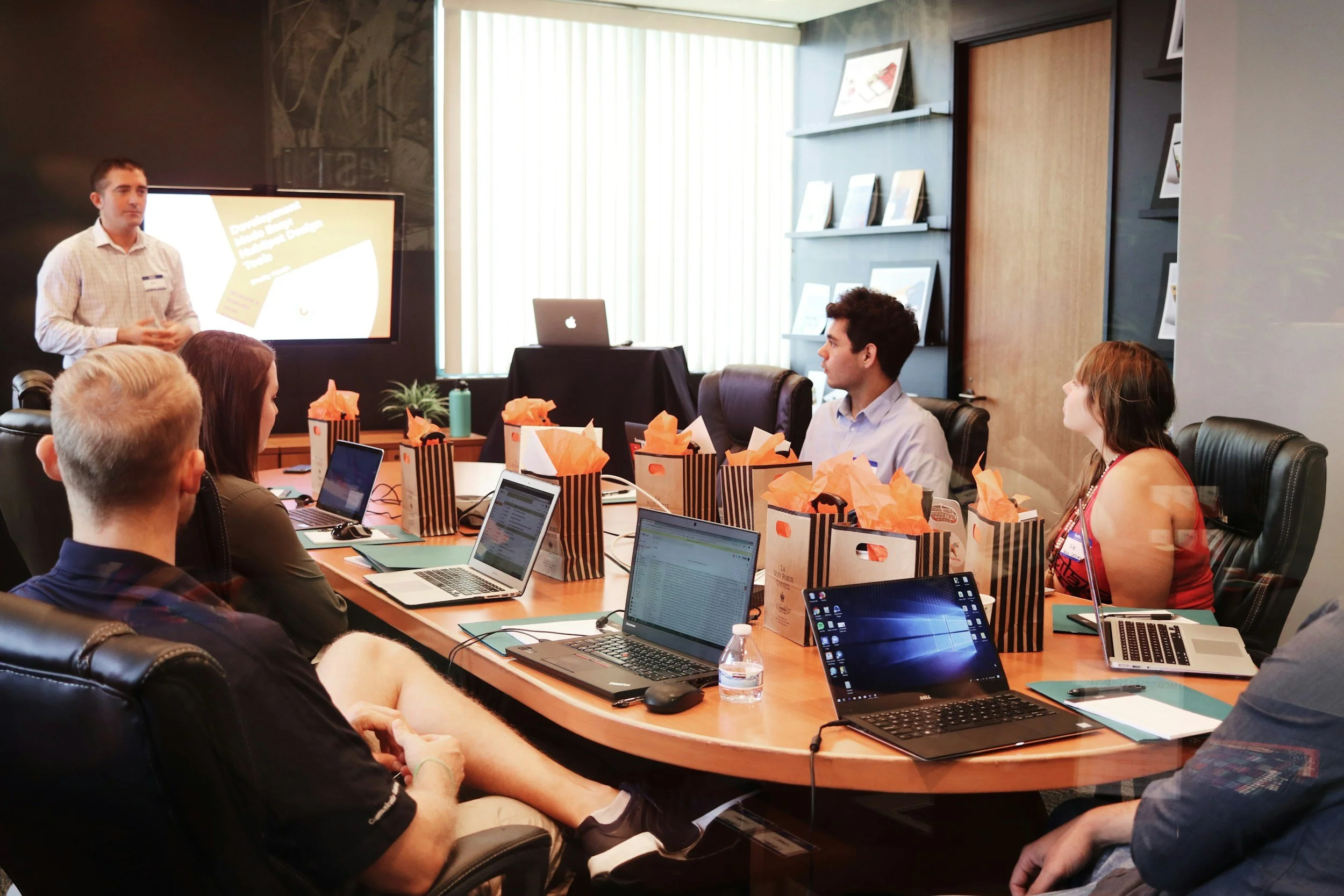
Once all the background stuff is done, we go to the consultation events. That's when you actually get to speak to communities. People from the local area will come in and say "I like this about the project" or "I don't like this". They go round and have a look at the plans and give their feedback. After that, we take all the feedback, code it, and write reports on what we found. That goes to the client.
The split is probably mainly desk work, with just a wee bit at consultation events. You do all the background stuff over a few weeks and then you're consulting maybe just one week or two weeks. So you're not constantly in the community. You're also managing phone lines where people can call up and say what they think about the development.
Copper is quite flexible though. Although that's my role, I do lots of different things. We just had Scotland's Climate Week and I was speaking at that and chairing an event. I also do email campaigns, LinkedIn posts, digital marketing work, and some public affairs alongside that. Each agency is really different. Some will just want you to do a set role and that's that. Others are broader.
What I enjoy about it
I like both sides of it. I studied politics so I'm a bit of a geek. I quite like writing. I enjoyed writing essays, I did my dissertation and published that. So I really like the report writing side.
But also as part of my personality, I like people. I like chatting to people. So I think you need a wee bit of both for a job like this. You're not 100% researchy person or 100% people person. You get to use different bits of ability.
I also like that what we do has a purpose. If you work on infrastructure or energy projects, you can see real things come to life. Wind farms get built, communities get heard. It's not immediate, but months later you might see something you worked on actually exist.

What you learn on the job
You need to understand that PR is really broad. If you wanted to go do retail and work with branded products, you could do that. If you wanted to do housing or energy, you could do that. Copper is all about energy and infrastructure and sustainability, so if you're not into wind turbines and solar farms, it might not be the one for you.
You also learn that this type of PR is less glamorous and more policy orientated. You need to understand some of the planning policies, the Electricity Act, things like that. It's not making TikTok videos or working with celebrities.
Working with clients in an agency is different from working in-house. Each client operates differently and wants different things. You need to adapt to their ways of working.
My advice
Networking is something that's really important and I didn't realise how important until I'd left uni and tried a few different jobs. It can be a bit daunting to start with. It's going out and meeting new people in the industry, people you might not know who are kind of like strangers.
But once you get over that and just walk up to somebody and say "Hi, I'm so and so, I do this and I'm thinking about maybe getting into public relations", you will have a friend for life almost. You just connect with them and it's always somebody you can go to if you're ever stuck with something. People in networks are usually just interested and trying to meet new people and find out new things about their careers.
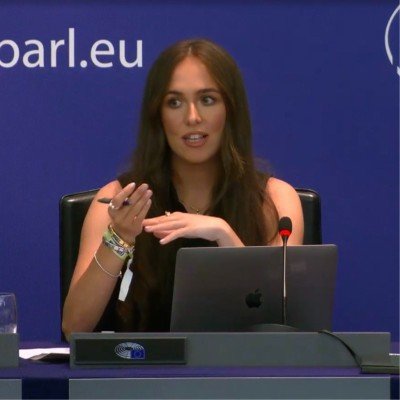
Through one network I've been involved in, I've had opportunities to meet UK government ministers, Scottish government ministers, go to London, go to Newcastle, speak at the European Parliament in Strasbourg. That's just from meeting somebody and chatting, and then they say "do you want to come to this?" All of a sudden you've got all these opportunities and it feels quite natural.
When it comes to applying for jobs, know the company you're applying to. Put in your cover letter a wee intro about why you're interested in them specifically. Show you've looked into them, you understand what they're all about.
If you have LinkedIn, connect with the hiring manager or somebody in the team beforehand. Put things on your profile, show what you're about. If you've been to an event, put that on. People will look at it.
And just be yourself in interviews. It's just a person on the other side. They're probably just as nervous giving the interview as you are taking it. Just talk to people. Being as relaxed as possible will help you come across better than trying to be something you're not. Because if you try to be something else and you get the job, now you've got to spend the rest of your time being that. Whereas if you're yourself and they want you, they want the real you.