

Control and Protection Engineer
This page gives you the real story about what it's like to be a Control and Protection Engineer (with insights from people actually doing the job).
Your goal: Decide if this sounds interesting enough to explore further, or if it's clearly not for you. Both answers are useful!
It will take about 5 minutes to read through - by the end, you'll know if this is worth exploring or if you should look at something else.
What is this job?
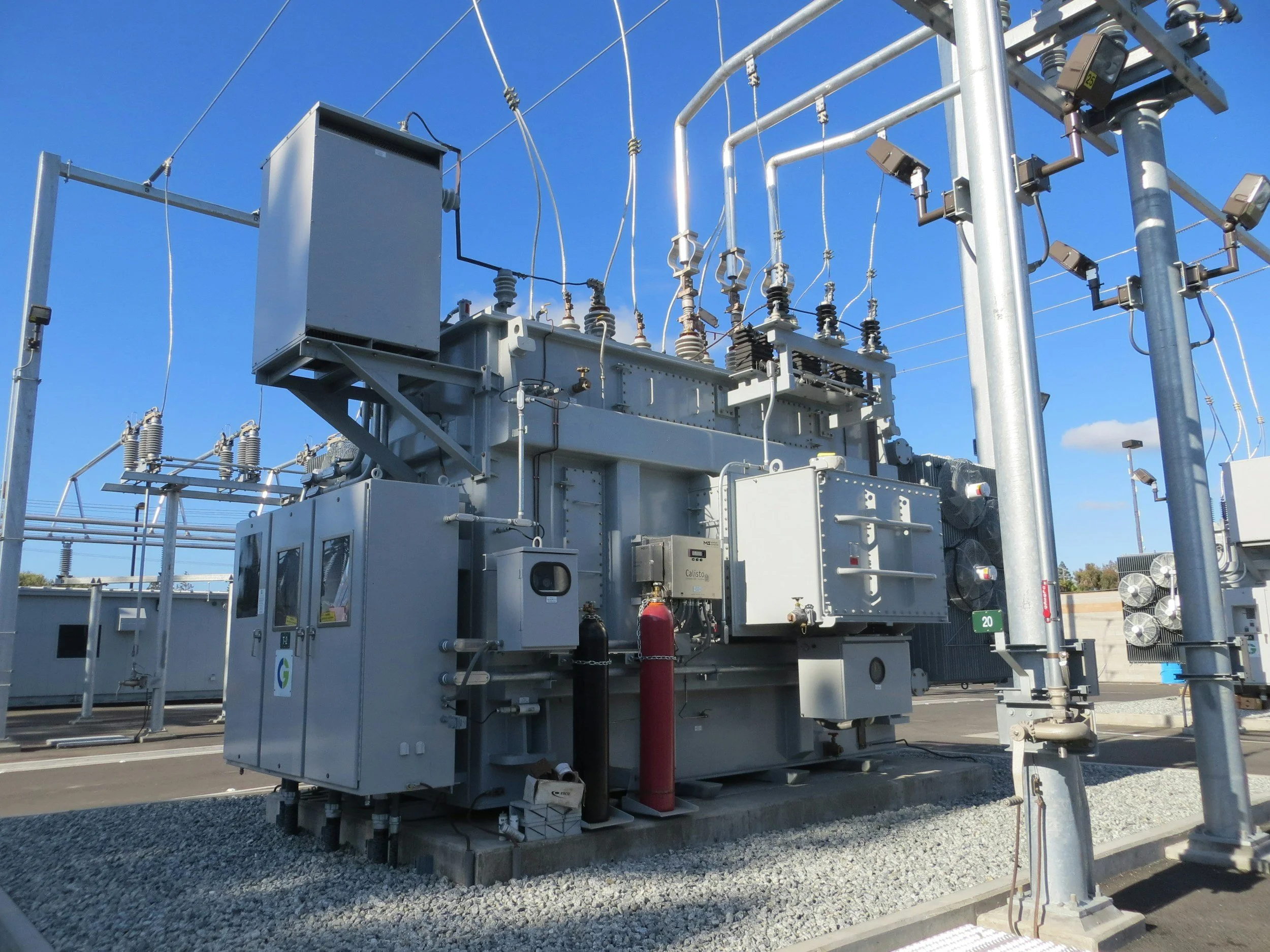
Control and protection engineers design the systems that keep electrical substations running safely. Think of it like designing the safety features and control systems for a massive electrical switchboard.
When electricity flows from power stations to homes and businesses, it goes through substations that step the voltage up or down. These substations need protection systems to stop faults from damaging equipment, and control systems to manage how everything operates. That's what control and protection engineers design.
It's problem-solving work with real-world impact. If you mess up the design, equipment worth millions could break, or people could lose power. If you get it right, the lights stay on and the grid stays stable.
What do they do day to day?
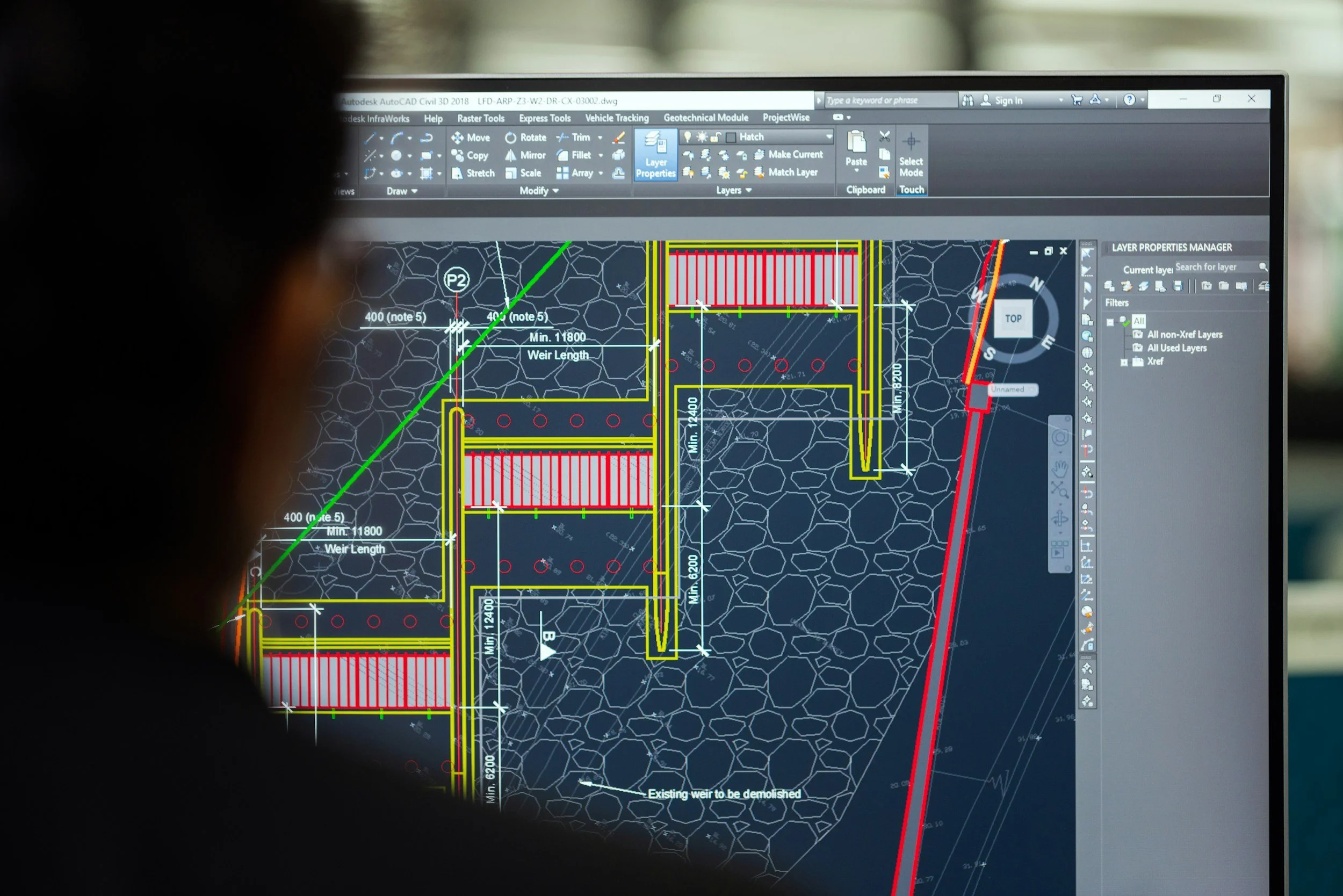
Most of your time is spent at a computer, working with CAD software and Excel to design electrical systems.
Designing systems:
- Creating wiring diagrams that show how everything connects
- Working out what protection equipment is needed for each part of the system
- Calculating loads and currents to make sure nothing gets overloaded
- Writing specifications for the components that need to be used
Working with data:
- Building Excel sheets that calculate power requirements
- Going through lists of components to work out which ones need power
- Checking that your designs meet the customer's requirements
- Making sure everything follows the right standards
Who you work with:
- Primary engineers who design the overall substation layout
- Other control and protection engineers on your team
- Customer engineers who review your work
- Commissioning technicians who test your designs on site
Where you work:
- Mainly office-based, working at your desk
- Occasional site visits every few months to see substations in person
- Mix of independent work and team collaboration
- Sometimes working on multiple projects at once



How much do they earn?
Salaries vary depending on the company, location, and your experience level. Here's a rough guide for control and protection engineering roles:
Apprentice (Level 3 or Level 6): £16,000 - £26,000 per year
You're learning on the job while earning. Some big companies pay more, especially for degree apprenticeships.
Graduate Entry: £32,000 - £36,000 per year
Starting salary if you've done a university degree and joined a graduate scheme.
With Experience (2-5 years): £42,000 - £48,000 per year
Once you've got a few years under your belt and can work more independently.
Senior Level (5+ years): £51,000 - £63,000+ per year
When you're leading projects and have specialist knowledge.
What affects your salary:
- Which company you work for (big energy companies and engineering consultancies typically pay more)
- Location (salaries in London and the South East are higher)
- Your qualifications (chartered engineer status brings pay increases)
- The sector you work in (power generation, renewables, nuclear can all pay differently)
Remember: These are approximate figures for the UK and can vary. The good news is there's clear progression as you gain experience, and the energy sector is stable with decent job security.
You'll Be Successful In This Career If...
You're detail-focused when it matters
You'll work on groups of similar projects where 90% is identical but small things change: substation names, drawing reference numbers, revision codes. Miss one of these and the project can get stopped weeks down the line when someone spots the error. If you're the type who spots when something's slightly off, this suits you.
You enjoy technical design work
You're creating detailed drawings showing how electrical components connect, working out current ratings, figuring out which parts need power. It's problem-solving with a visual element: not just numbers in a spreadsheet, but layouts you're building up on screen using CAD software.
You're comfortable with technology and software
You'll spend your days using CAD software, Excel, PowerPoint, and Word. Knowing keyboard shortcuts and having a basic grasp of these programmes makes your job much easier. If you're the type who picks up new software quickly, that's a real advantage.
You like seeing what you designed become real
Most of your time is designing on a computer, creating diagrams, working through specifications. But then you get to visit the actual substation and see what you drew installed and working. If that connection between screen work and real infrastructure appeals to you, you'll enjoy this.
You're curious about how systems work
When you're designing something unfamiliar, you need to keep asking "how does this work?" until you understand it well enough to draw it properly. Good engineers don't just follow procedures; they want to understand why they're doing something and how one component affects another.
The Bottom Line
If you enjoy technical design work, like seeing your drawings become real infrastructure, pay attention to small details that matter, and prefer working on computers with occasional site visits rather than being hands-on every day, then control and protection engineering could be a strong fit for you.
The routes to the role:
Degree Apprenticeship:
- Earn while you study for a degree in engineering
- Takes around 4.5 to 5 years to complete
- No university debt
- Starting salaries typically £16,000 to £26,000
- Major engineering firms like Siemens, Babcock, and energy companies offer these
University degree:
- Degree in electrical engineering, electronic engineering, or control engineering
- Four-year MEng degrees are common and often required for chartered engineer status
- Apply to graduate schemes in your final year
- Starting salaries £25,000 to £32,000
- Higher starting salary but student debt
Modern Apprenticeship:
- Become a Control and Instrumentation Technician rather than an engineer
- More hands-on maintenance and operations focused
- Takes around 3 to 4 years to complete
- No university debt
- Starting salaries typically £16,000 to £24,000
- Companies like Yorkshire Water, National Gas, and utilities offer these
- Can progress to higher apprenticeships or engineer roles later
What helps:
- Good Nat 5s/Highers in Maths and Physics
- For degree apprenticeships, you'll typically need Highers in Maths and Physics
- Another science subject like Engineering Science, Chemistry, or Biology helps
- Researching what the role actually involves before applying
- Being able to explain why you want this specifically, not just "I like engineering"
Insights from people who do the job

Thomas Hart
Control and Protection Engineer at
Siemens Energy