

Wind Turbine Technician
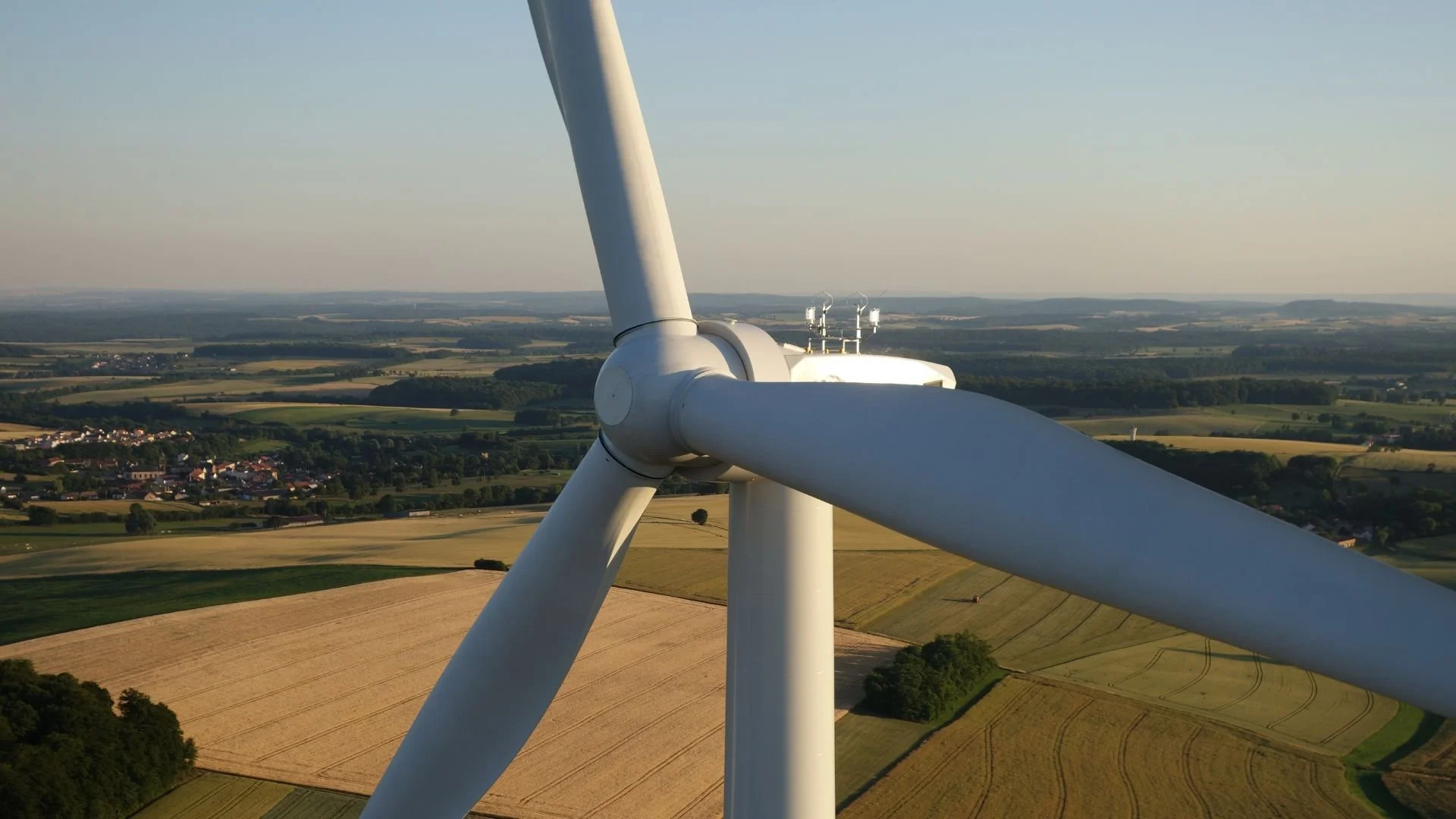
This page gives you the real story about what it's like to be a Wind Turbine Technician (with insights from people actually doing the job).
Your goal: Decide if this sounds interesting enough to explore further, or if it's clearly not for you. Both answers are useful!
It will take about 5 minutes to read through - by the end, you'll know if this is worth exploring or if you should look at something else.
What is this job?
Wind turbines generate electricity from the wind, but they're complex machines that need constant care. Wind turbine technicians are the people who keep them running.
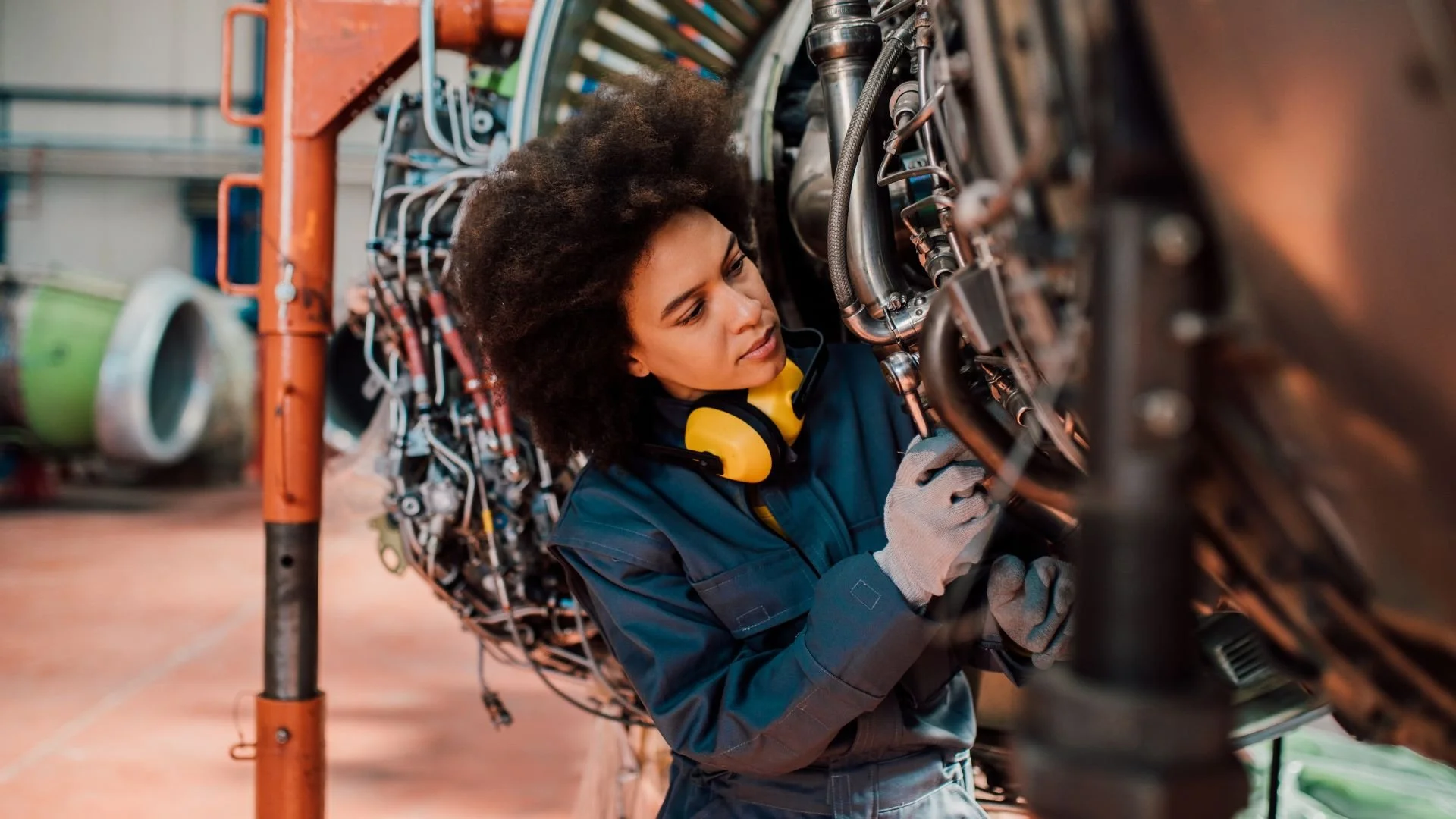
These massive structures contain generators, gearboxes, electrical systems, and hydraulics. When something goes wrong, or before something goes wrong, technicians climb up and fix it. They diagnose faults, replace components, carry out scheduled maintenance, and make sure everything is operating safely and efficiently.
Think of it like being a mechanic, but instead of cars, you're working on machines the size of buildings. If you can work on a car engine, a lot of the skills transfer. The turbine is broken down into smaller systems: generator, gearbox, bearings, shafts. You're not wrestling with the whole thing at once.
It's practical, hands-on work in the renewable energy sector. The industry is growing fast, and these skills are increasingly in demand.
What do they do day to day?
You work in small teams, usually pairs, looking after a set of turbines across one or more wind farm sites.
Checking and responding:
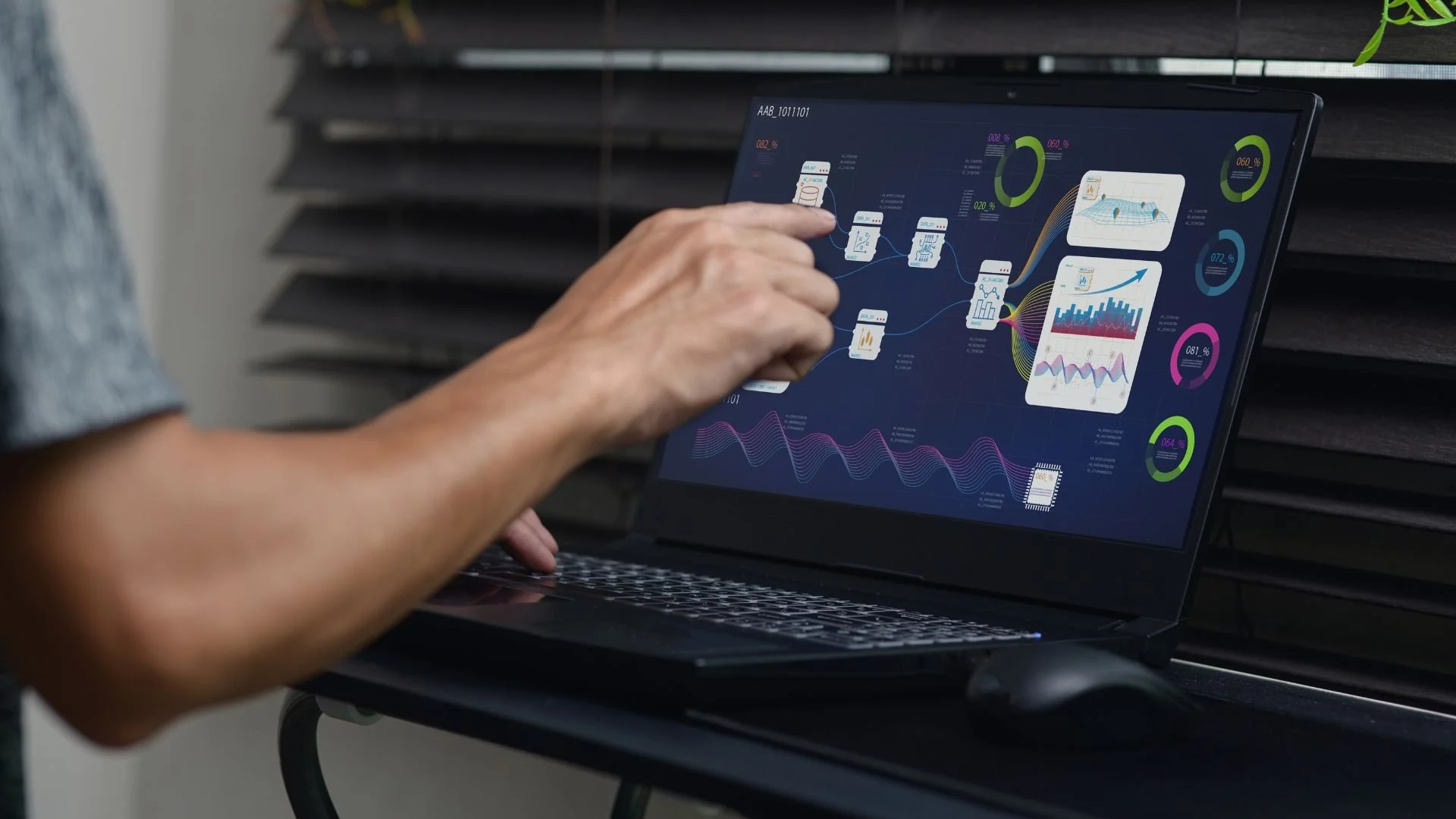
Starting the day by checking the SCADA system (a monitoring system that shows the condition of every turbine)
Identifying any faults and finding the right procedure to fix them
Going out to turbines to diagnose problems, reset systems, or carry out repairs
Working through a fault list of minor jobs when all turbines are running fine
Maintenance work:
Scheduled servicing: greasing components, changing oil, running tolerance checks
Inspections: checking blade condition, testing electrical systems, examining safety equipment
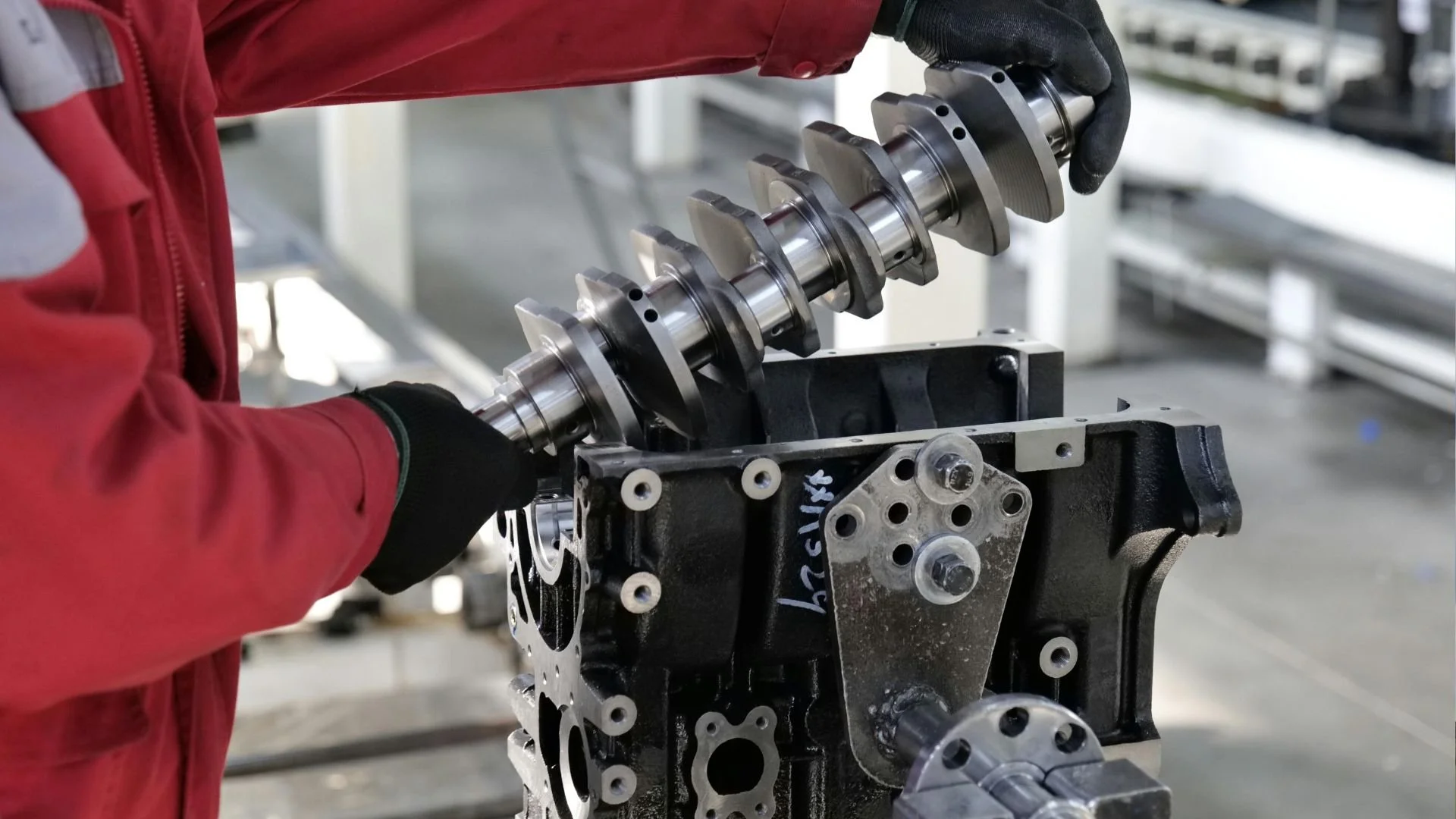
Repair work: stripping down and replacing components like slip rings, generators, or electrical parts
Who you work with:
A partner or small team of 2-4 technicians (you never work alone up a turbine)
Specialist teams for major component changes (blades, gearboxes) involving cranes
Remote support from control rooms and engineering teams
Where you work:
Based at a wind farm site with a small office/substation building
Outdoors in all weather conditions
Working at height inside the turbine nacelle (the box at the top)
May cover multiple sites within a region, rotating between them

How much do they earn?
Salaries vary depending on the company, location, and whether you work onshore or offshore. Here's a rough guide:
Apprentice: £17,000 - £22,000 per year
You're learning on the job while earning
Entry Level (after training): £25,000 - £32,000 per year
With Experience: £32,000 - £45,000 per year
Senior/Offshore: £45,000 - £60,000+ per year
What affects your salary:
Onshore vs offshore - offshore work pays significantly more but involves time away from home
Company size - larger operators like RES, Ørsted, RWE, Vestas tend to pay more
Additional certifications and specialisms
Remember: These are approximate figures for the UK and can vary. The good news is the industry is growing, demand for technicians is high, and there's a clear path from onshore to higher-paying offshore roles if you want it.
You're hands on and practical
You'd rather be doing than sitting. If you enjoyed workshop classes at school and found the classroom stuff harder to sit through, this kind of work might suit you. You're someone who likes to pick things up, take them apart, and figure out how they work.
You'll Be Successful In This Career If...
You’re curious about how things work
Good technicians don't just follow procedures blindly. They want to understand why they're doing something, how one component affects another. When you understand the system, you can diagnose problems faster and spot issues before they become serious.
You don’t mind being outdoors in all weather
Wind farms are in exposed locations, that's the point. You'll be outside in rain, wind, and cold. If the idea of being stuck in an office all day fills you with dread, but being outside in rough weather sounds manageable, you're on the right track.
You take safety seriously
This isn't optional. You're working at height, with electrical systems, with heavy machinery. The motto is 'don't risk it' - if something isn't safe to do, you don't do it. You need to be someone who takes pride in doing things properly, not cutting corners. Treat every turbine like it's your own machine.
You work well in teams
You always work with at least one other person. Two heads are better than one, you catch each other's mistakes, solve problems together, and keep each other safe. If you prefer working completely alone, this probably isn't for you.
The Bottom Line
If you're practical, safety-conscious, curious about mechanical and electrical systems, comfortable working in a team outdoors, and looking for a career in a growing industry with good progression opportunities, this could be a strong fit for you.
The routes to the role:
Apprenticeship:
3-4 year programmes offered by major operators (RWE, Ørsted, EDF, Vestas)
Typically 1-2 years at college, then on-site training
Earn while you learn - no student debt
Leads to NVQ Level 3 or equivalent qualification
Entry: Usually 4-5 GCSEs at Grade 4/C or above including Maths, English and a Science or Technology subject
What helps:
Interest in engineering, construction, or technical subjects at school
Any practical experience - working with your hands, mechanical repairs, electrical work
Proactively reaching out to companies for work experience
A driving licence (you'll be travelling between sites)
Being comfortable with heights
College course then job:
Engineering courses at NC, HNC or HND level
Specific wind turbine technician courses available at some colleges (e.g. NESCOL in Aberdeen)
ECITB-accredited programmes designed for the energy sector
Get work experience during holidays - this makes a real difference when applying
Insights from people who do the job
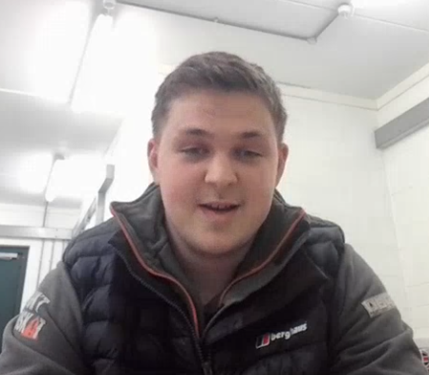
Brodie MacGruer
Wind Turbine Technician at RES