

Social Value Coordinator

This page gives you the real story about what it's like to be a Social Value Coordinator (with insights from people actually doing the job).
Your goal: Decide if this sounds interesting enough to explore further, or if it's clearly not for you. Both answers are useful!
It will take about 5 minutes to read through - by the end, you'll know if this is worth exploring or if you should look at something else.

What is this job?
When companies build things like hospitals, schools, or energy centres, they're working in local communities for months or even years. Someone has to make sure those projects actually give something back to the people who live there. That's a social value coordinator.
Companies now have to commit to things like hiring local apprentices, supporting charities, reducing carbon emissions, or helping people back into work. Social value coordinators make those promises happen. They work out what's realistic, write it into the bid proposals, then actually deliver it.
Think of it as being the person who makes sure construction projects don't just take from communities, but give back too. You're working out how a hospital build can fund new medical equipment, or how an energy centre installation can include planting trees at a local university.
It's part desk work, part community work, and you get to see the real-world results of what you organise.
What do they do day to day?
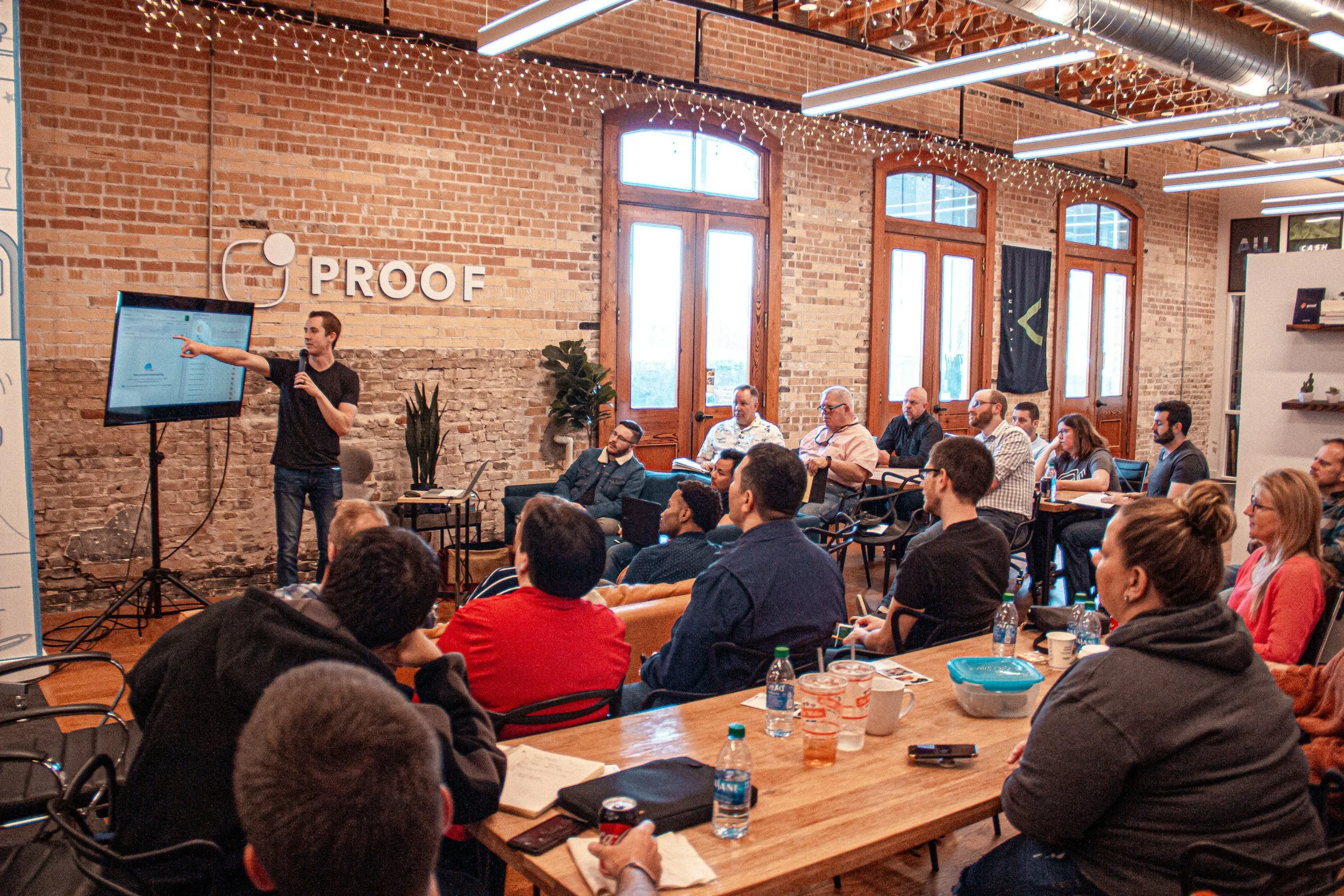
Your days vary a lot. Sometimes you're in the office working on data and proposals, sometimes you're out on building sites or in communities actually making things happen.
Writing and planning:
- Reading through what clients want from their projects (like NHS hospitals wanting greener equipment or cycle schemes for staff)
- Working out what your company can realistically commit to
- Writing bid proposals that show how you'll deliver social value
- Creating plans to turn those commitments into actual activities
Data and tracking:
- Updating spreadsheets and platforms to show what's been delivered
- Writing reports for clients showing the impact of what you've done
- Comparing projects to see if new commitments are actually achievable
Community work:
- Organising and running community initiatives (planting trees, donating to charities, setting up work experience programmes)
- Visiting schools to talk about construction careers
- Coordinating with local charities and organisations
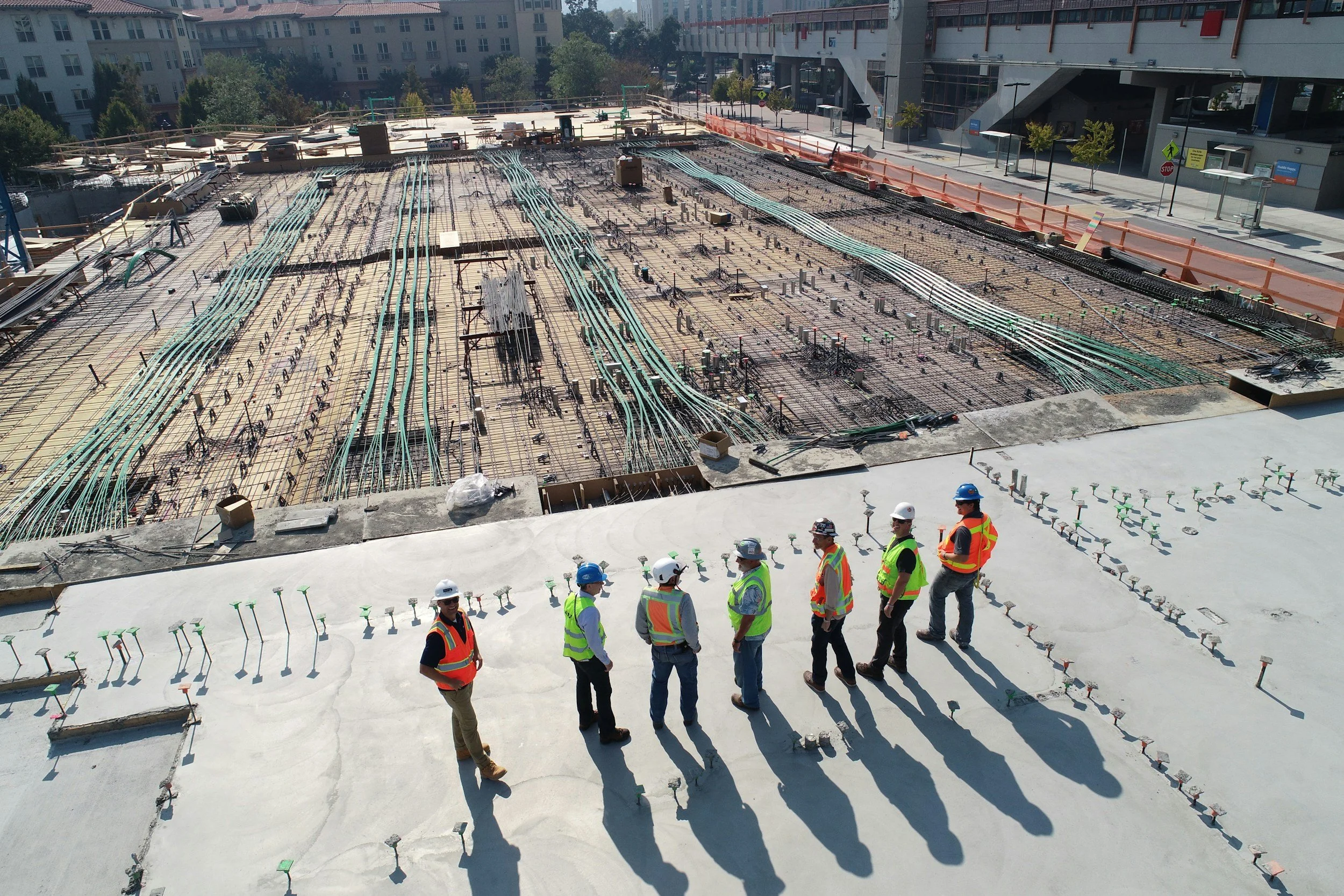
- Being on site to see projects in action and understand what you're actually committing to
Who you work with:
- Site managers and construction teams
- Clients (NHS trusts, universities, councils)
- Local charities and community organisations
- Your company's bid and marketing teams
- Schools and training providers
Where you work:
- Mix of office and being out in communities or on building sites
- Some weeks are mostly office based, others you're out every day
- Site visits to see installations and projects in progress
- Travel to different locations where projects are happening

How much do they earn?
Salaries vary depending on the company, location, and your experience level. Here's a rough guide for social value coordinator roles:
Apprenticeship £18,000 – £25,000 per year
You're learning on the job while earning, usually in business admin or social value
Graduate Scheme/Uni Graduate £25,000 – £32,000 per year
You're starting out on a structured graduate programme
With Experience £30,000 – £42,000 per year
Senior Level £42,000 – £60,000+ per year
What affects your salary:
- Which company you work for (big construction firms typically pay more)
- Location (London and South East salaries are higher)
- Your experience level (progression can be quick if you're good)
- Size of projects you're managing
Remember: These are approximate figures for the UK and can vary. Social value is a growing field, so there are good opportunities for progression as companies invest more in this area.
You'll Be Successful In This Career If...
You're patient and flexible
Plans change constantly. You might write the same proposal eight times because someone has a better idea or new information comes through. You could be told at 4pm on Tuesday that you're needed on site in a different city on Wednesday morning. If you can roll with changes and see them as part of the job rather than problems, this will suit you well.
You like the idea of making communities better
This only works if you genuinely care about the impact. When you see news about problems in the world, you want to think about solutions rather than just feeling depressed about it. You have to be what one coordinator called a "chronic optimist" – someone who believes things can get better and wants to be part of making that happen, even if it's just one project at a time.
You're comfortable talking to different types of people
One day you're on site talking to construction workers, the next you're in a meeting with NHS directors, then you're coordinating with a local charity. You need to be able to switch between these conversations naturally. It's not about being extroverted necessarily, but you do need to be able to communicate clearly with anyone.
You enjoy reading and making sense of documents
A big chunk of this job is reading through published reports, green plans, bid documents, and working out what matters. You need to spot the important bits, understand what clients actually want (not just what they say they want), and translate that into realistic commitments. If you get satisfaction from piecing together information and figuring out what's really being asked for, you'll enjoy this part of the work.
You're realistic about what you can actually do
You might want to buy a hospital all the equipment they need to go fully sustainable, but you've got £30,000 to work with, not £3 million. You need to be able to balance your optimism about making change with commercial reality. If you enjoy the challenge of working within budgets and constraints to find the best possible solution, this will suit you.
The Bottom Line
If you're patient and flexible with changing plans, genuinely optimistic about making communities better, comfortable reading and making sense of documents, realistic about working within budgets, and able to talk to all types of people, then social value coordination could be a strong fit for you.
The routes to the role:
Apprenticeship:
- Some construction firms offer standard apprenticeships in business admin or social value
- Earn while you learn
- Takes around 2-3 years
- No university debt
University degree:
- Study degrees like Environmental Science, Social Sciences, Sustainability, Geography, Business, or similar
- Apply to graduate schemes in your final year
- Graduate schemes are 2-3 years, you earn while learning the job
- Most common route into social value coordinator roles
- Higher starting salary but student debt
Degree Apprenticeship:
- Larger construction firms offer degree apprenticeships in social value or related areas
- Earn while you study for a degree
- Takes around 4-5 years
- No university debt and you get a degree
What helps:
- Any degree can work if you can show genuine interest in social impact
- Work experience that shows you can work with people (hospitality, volunteering, community work all count)
- Being able to explain why you care about communities and social value specifically
- Don't write yourself off if you didn't get the first role you applied for
Insights from people who do the job

Isabelle Humphreys
Social Value Coordinator at
Vital Energi