
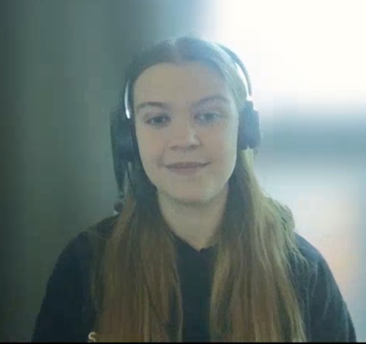
Isabelle Humphreys
Social Value Coordinator at Vital Energi
How I got here
I've got an Environmental Science degree from university. I graduated in July this year, so it's been a really quick turnaround to getting this job.
A levels during COVID were rough. I was the first year back to do actual A level exams after UCAS was cancelled, so I'd never sat a formal exam in my life before my official A levels. That was a very stressful experience.
All through my degree I worked in hospitality, which gave me a really fleshed out CV. I loved my degree, but it was hard work balancing everything. The hospitality work turned out to be more important than I thought though, because it gave me loads of experience working with people.
When I finished uni, I applied for a graduate position at Vital Energies as an environmental advisor. I didn't get it. But when the talent acquisition manager rang to tell me, she said they'd keep me on file. I thought, yeah, they all say that.
About a month later, I messaged her asking if they had a timeframe for the next round of graduate positions, just so I knew whether to hold on or start looking elsewhere. She rang me straight away and said "are you free to come in for an interview next week? We've opened something up an hour ago that we think would be a really good fit for you."
They emailed me the job description that day. The second I saw it, I thought "this is the dream." It was the perfect balance of using my environmental science degree and the people skills I got from working in hospitality since I was 16. I went back to Blackburn to interview, got the offer a few days later, and started a week after that. So I've been here exactly a month now.


What do they do day to day?
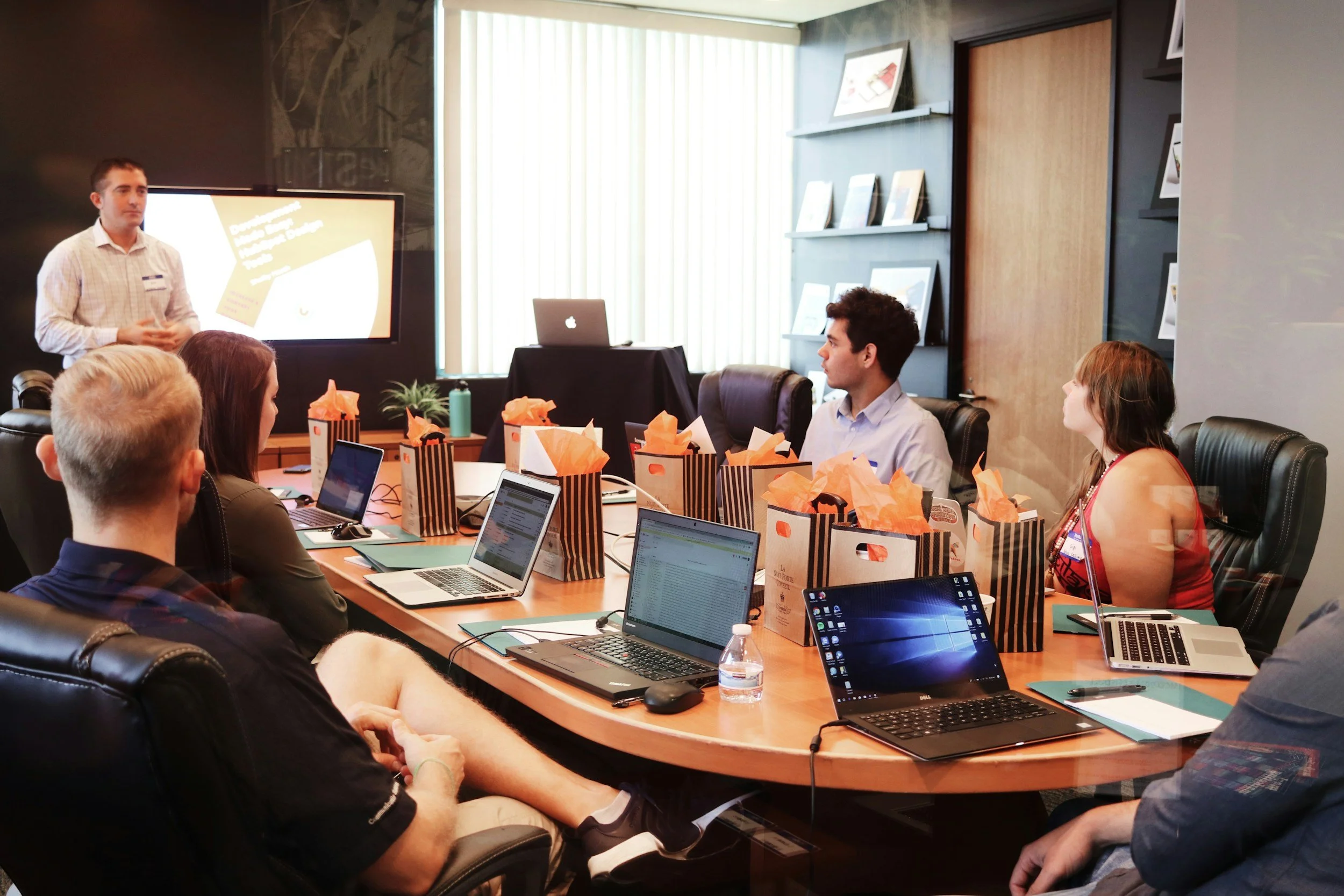
Your days vary a lot. Sometimes you're in the office working on data and proposals, sometimes you're out on building sites or in communities actually making things happen.
Writing and planning:
- Reading through what clients want from their projects (like NHS hospitals wanting greener equipment or cycle schemes for staff)
- Working out what your company can realistically commit to
- Writing bid proposals that show how you'll deliver social value
- Creating plans to turn those commitments into actual activities
Data and tracking:
- Moving data from old Word documents into tracking systems so you can find information quickly
- Updating spreadsheets and platforms to show what's been delivered
- Writing reports for clients showing the impact of what you've done
- Comparing projects to see if new commitments are actually achievable
Community work:
- Organising and running community initiatives (planting trees, donating to charities, setting up work experience programmes)
- Visiting schools to talk about construction careers
- Coordinating with local charities and organisations
- Being on site to see projects in action and understand what you're actually committing to
Who you work with:
- Site managers and construction teams
- Clients (NHS trusts, universities, councils)
- Local charities and community organisations
- Your company's bid and marketing teams
- Schools and training providers
Where you work:
- Mix of office and being out in communities or on building sites
- Some weeks are mostly office based, others you're out every day
- Site visits to see installations and projects in progress
- Travel to different locations where projects are happening
What I enjoy about it
I have one of the best jobs in the world, and I'm not just being biassed.
A lot of my mates from uni who've found jobs are in data analytics. I'll ask what they did today and they're like "looked at spreadsheets." When they ask me, I'm like "I went to donate and sort out a bunch of clothes to a children's charity in Solihull and got to tour a building site."
It's the variety. Some days are office based doing data transfer and bid proposals. Some days I'm fully on site. Some days it's half and half. I'm never stuck in the same place doing the same thing.
And I love that I get to see the actual impact of what I do. When I'm talking to people about the job, I can say "I planted trees at Lancaster University last week" or "I helped sort donations for a children's charity." It's real, tangible stuff that makes a difference.
Plus, the balance is perfect for me. I get to use what I learned in my environmental science degree, and I get to work with people, which is what I've been doing since I was 16 in hospitality. I didn't know this job existed until I got the application for it, but when I saw it, I just thought "you know what, this is a bit of me."

What you learn on the job
First and foremost, you have to be patient. You can't expect everything to be a quick fix. I've written the same bid proposal eight times because someone's had a really good idea for something we could do, or someone thinks something else would be better, or I've read through a newly published document and think "actually, I'm going to change out half of this."
You also need to be flexible. I've had days where at 4pm on a Tuesday, when I finish at 4:30, I've been told "we're needed in Solihull tomorrow, let's book you train tickets now." You can't be stressed by change. You can't be a person who likes to have a plan and stick to it, because 99% of the time that's not going to happen.
You're talking to people all the time, so you need to be social. But more than that, you need to be able to see the good in the world and the good you can make in the world. Everything on the news is depressing, everything on social media is depressing. You have to be a person who can look at the world and think "let me see how I can fix this."
You cannot be a cynic. You have to be a chronic optimist.
But at the same time, you have to be realistic about your capabilities. I would love to turn around to a hospital and say "I'll buy you all of the reusable equipment you want so you stop throwing things in the bin." But I can't do that because I've got a certain amount of finances I have to stick to. You've got to balance the optimism with commercial reality.
There's a lot of reading in this job. You're going through bid documents, green plans, published reports. You need to be able to read through things, pick out the important bits, and understand what clients actually want.
My advice
Don't give up if you don't get the first job you apply for. I didn't get the environmental advisor role I originally wanted, and it turned out this job is so much better for me because it combines everything I'm good at.
Work experience matters more than you think. All that time I spent working in hospitality through uni – it wasn't just about the money. It gave me the people skills that make me good at this job. Even if the work doesn't seem directly related to what you want to do, it's building skills you'll use.
When you see a job description that makes you think "this is a bit of me," go for it. Even if you're not sure you tick every box, apply anyway. I didn't know this job was my dream job until I saw the application, but something about it just clicked.
And be ready to be flexible. Plans change all the time in this work. If you can't handle that, it'll stress you out. But if you can see changes as opportunities rather than problems, you'll enjoy it.
I'm 22 now and I'm happy where I am. I firmly believe I have one of the best jobs in the world. That's what you want to find – not just a job that pays the bills, but something where you can genuinely say "I love what I do" and mean it.