
Andrew Wilson
Instrument Technician at
Scottish Gas Networks
How I got here
I left school in fifth year. I wasn't amazing academically. I had my National 5s in maths, English, physics, and graphic communication, but I didn't come away with a massive book of qualifications. That was fine though, because I knew I wanted to do something practical.
I got an apprenticeship at the Grangemouth refinery as an instrument electrical technician. The apprenticeship was four years and they put me through my HNCs, HND, and SVQ portfolio. That portfolio is where you're working with experienced tradespeople and writing up what you did and why. There are about 17 units you need to tick off, and once you've done that, you get your trade papers. That's your golden ticket.
I stayed at the refinery for just under seven years in total, including my apprenticeship. After a couple of years as a qualified technician, I moved into a bit of a supervisory role. Then I left and tried something different in the water industry, but that was more project management which wasn't really for me.
So I went offshore as an instrument tech for two years. I probably would have stayed offshore, but then the opportunity came up to work on the H100 project. It's the world's first green hydrogen network, feeding 300 homes in Fife with hydrogen instead of gas. The chance to be part of something brand new, at the start of an industry, was too good to pass up.

What I actually do day-to-day
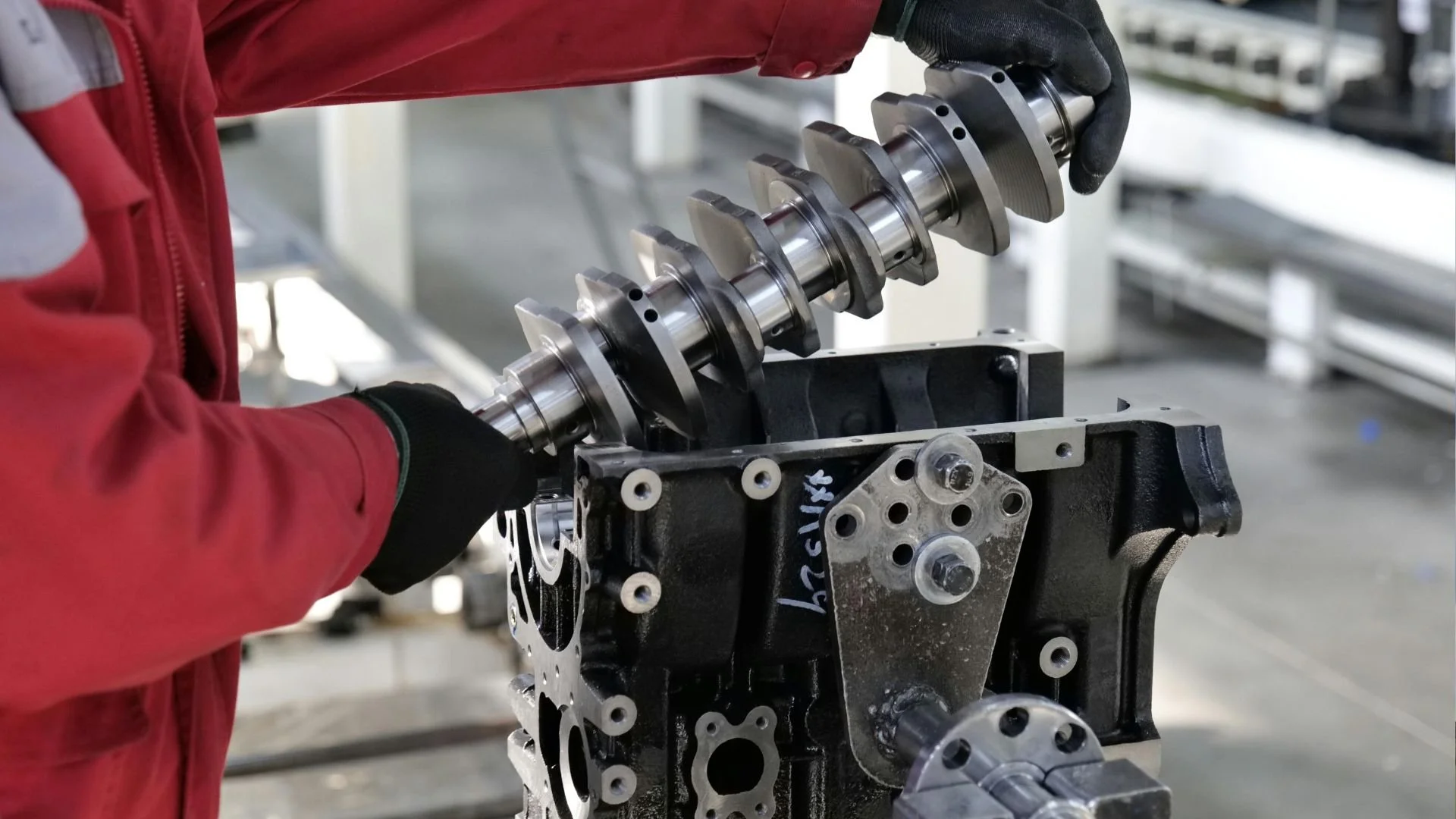
Right now I'm on a site that's still being commissioned, so it's a mix of getting equipment ready for service and writing up work instructions. It's not as hands-on as I'd like just yet because of construction delays, but normally my job is maintenance. When something breaks or stops working properly, I figure out why and fix it.
A lot of it is fault finding. Say a temperature reading comes back at a million degrees when it should be 50. You go out, check the sensor, check the wiring, check the signal path. Maybe it's a loose cable. Maybe the circuit board's fried. Maybe someone put too much power down the line. You trace through until you find it.
Or a motor won't start even though the operator's pushing the button. That's instrumentation. The motor itself might be fine, but the control system won't let it start because some condition isn't met. Maybe a temperature transmitter is reading low, or a safety interlock hasn't cleared. You go through the drawings, check each signal, and figure out what's blocking it.
There's preventative maintenance too, where you're testing safety systems at regular intervals to prove they'll work when needed. Calibrating transmitters. Finding problems before they cause a shutdown. On the hydrogen plant, there's a lot of electrics and electronics, but also pneumatic systems, so there's variety.
When I was offshore, I was also responsible for all the fire and gas detection systems. Different types of detectors use different ways of sensing gas or fire, and that's all instrument tech territory. It's good knowledge to have.
What I enjoy about it
Every day is different. That's the main thing. Most instrument techs I know prefer maintenance over construction for exactly that reason. In construction you might be doing the same wiring job over and over. In maintenance, you never know what's going to break or what puzzle you'll need to solve.
I like that it sits between mechanical and electrical. You get a bit of both. The mechanics have to go and tighten all the big bolts and do the heavy lifting. The sparkies are working with cables and power. We're somewhere in the middle, working with precision rather than brute force.
And the fault finding. When something goes wrong and you've got to figure out why, it's proper problem solving. Sometimes the textbook doesn't work and you're having to think your way through it. That's the bit I find most satisfying.
The hydrogen project specifically is exciting because it's all new. Nobody's done this before. There's equipment being installed that's the first of its kind. It feels like being part of something that matters.

What you learn on the job
You've got to understand how each component works and how it affects everything else. If you don't understand what something's measuring and why, you can't fix it properly when it goes wrong. Being inquisitive is important. Keep asking why until it makes sense.
Safety is a big one. Especially in places like refineries or hydrogen plants where you're dealing with hazardous materials. You need to know the risks and work within the rules. There's no point rushing a job if you're putting yourself or the plant at risk.
Working as part of a team matters too. Offshore especially, you're always working in pairs minimum. Two people thinking about a problem is better than one. One person could miss something or make a mistake without realising.
There's also the software side. You don't need to be a coder, but you need to understand how the control systems work. Everything from an instrument is either an input or an output. You need to understand that relationship, even if you're not the one programming the computer.
My advice
Don't wait for it to come to you. You've got to get out there.
I've seen people with loads of qualifications who couldn't get a job because they didn't put themselves out there. And I've seen people with fewer qualifications who got in because they reached out to companies, asked for work experience, showed they were keen. From when I started my ECITB course, I was already reaching out trying to get my foot in the door.
Your grades will get you so far through the tick box in the machine. But after that, it's all about human interaction. Things like volunteering, Duke of Edinburgh, going to career fairs. Even if a company doesn't have a job advert up, send them an email. Ask if you can come in for a chat, ask for a tour. That shows you want to learn, you want to be part of it. That's what makes you stand out.
When you do get an apprenticeship, stick with it. Bide your time, stay staff, and your employer will put you through all the training. I've probably had close to £50,000 worth of courses since I finished my time, and I've not paid a penny. If you go self-employed too early, you're paying for all that yourself.
And apply for everything when the time comes. Even if it's not your first choice. The interview experience is valuable, and you want to have options. You can always say no to an offer, but you can't say yes to one you didn't get.