

Digital Construction Manager

This page gives you the real story about what it's like to be a Digital Construction Manager (with insights from people actually doing the job).
Your goal: Decide if this sounds interesting enough to explore further, or if it's clearly not for you. Both answers are useful!
It will take about 5 minutes to read through - by the end, you'll know if this is worth exploring or if you should look at something else.
What is this job?
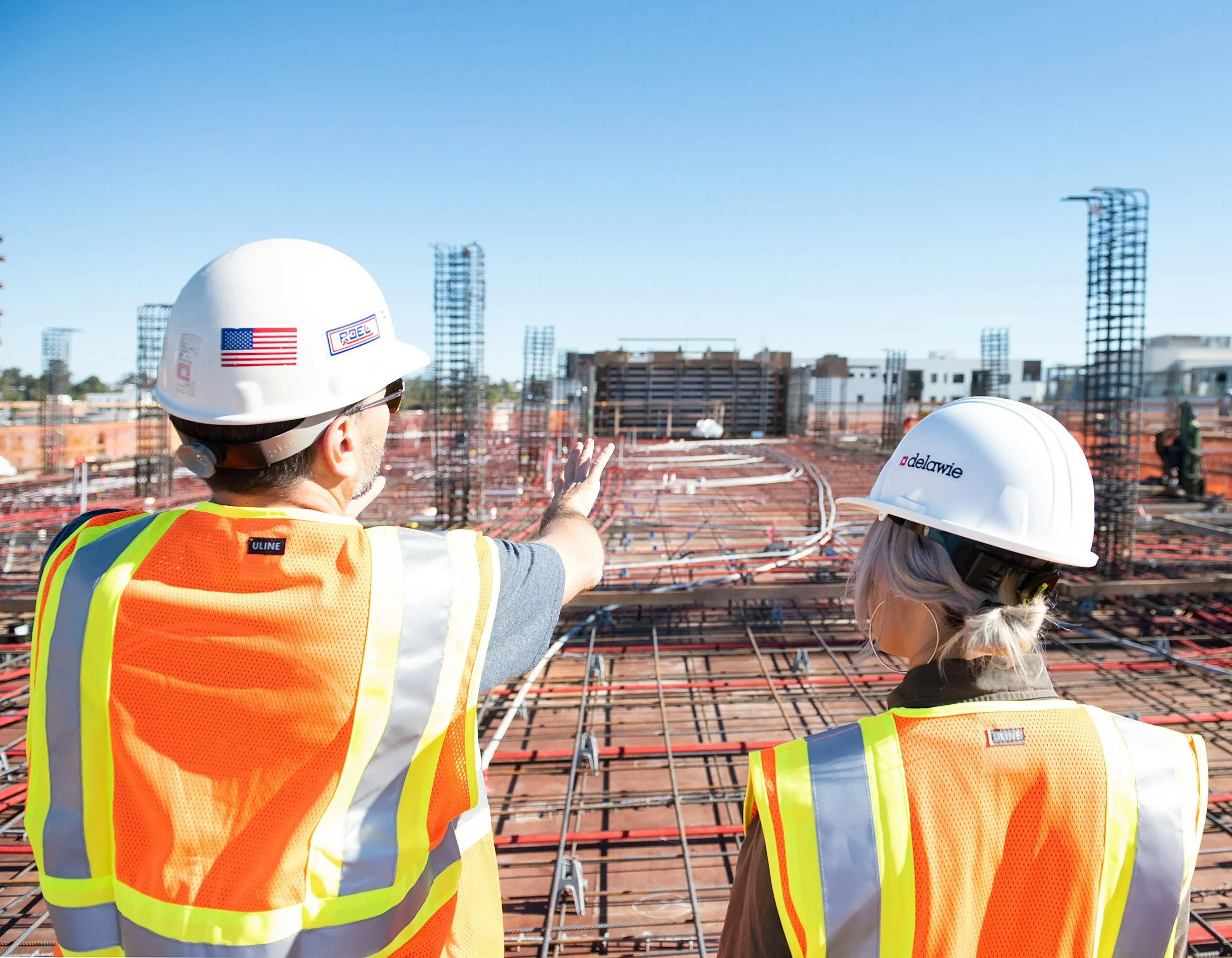
When a building is being designed, dozens of different specialists create their own 3D models – architects design the structure, engineers add the steel beams, building services teams add the pipes and ductwork. A digital construction manager brings all these models together and makes sure nothing clashes.
Think of it like this: one person designs where the ceiling goes, another person designs where the air conditioning duct goes. Without someone checking, that duct might end up going straight through a steel beam. The digital construction manager spots these problems on screen before anyone starts building – saving huge amounts of time and money.
It's sometimes called a BIM (Building Information Modelling) manager in other companies. The role combines technical construction knowledge with digital skills and problem-solving.
What do they do day to day?
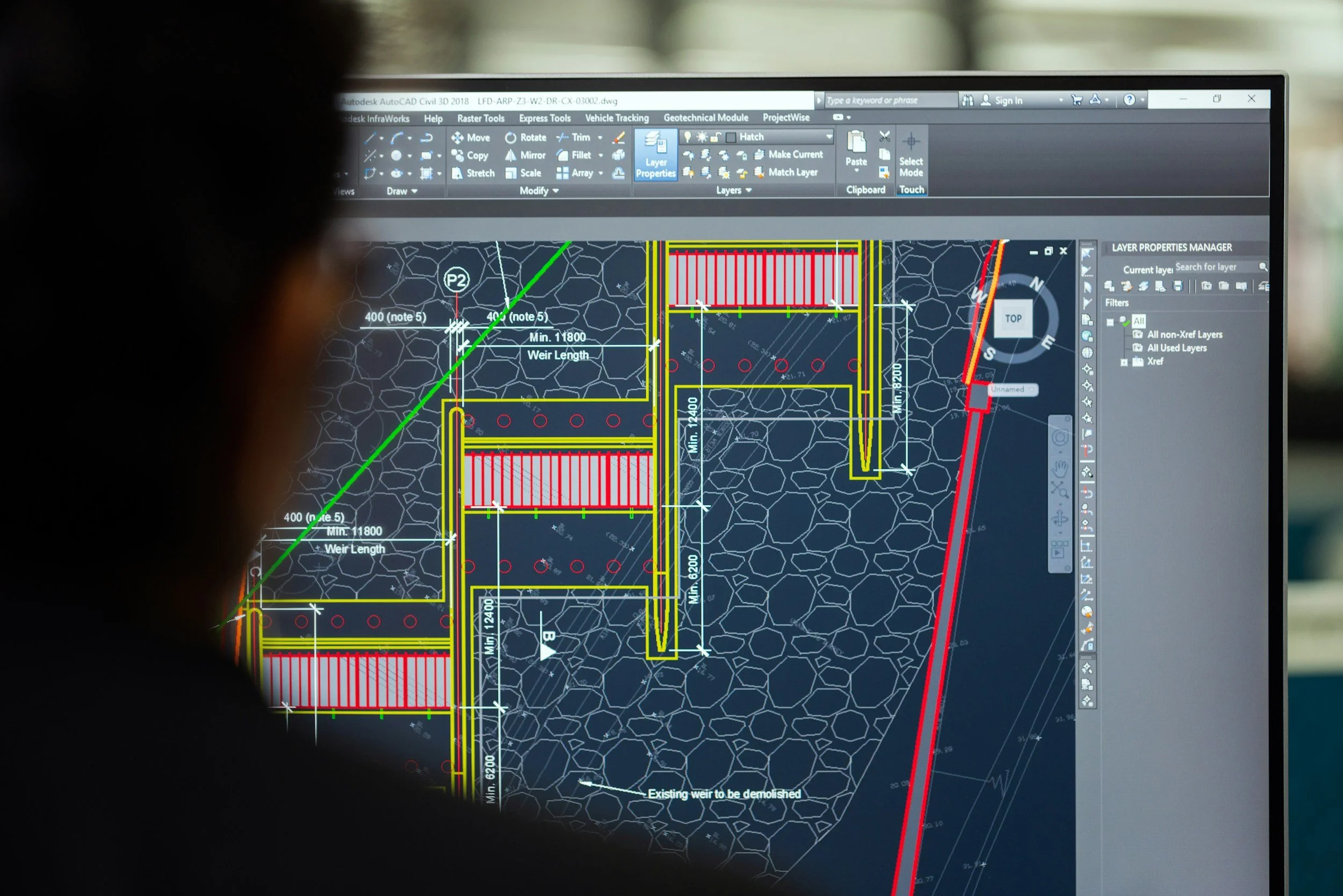
You work with 3D building models, checking for problems and helping teams solve them before construction begins.
Clash detection and coordination:
- Loading 3D models from architects, engineers and building services into specialist software
- Running clash checks that highlight where elements conflict (shown in red and green)
- Deciding which clashes are real problems and which are acceptable
- Running coordination meetings with design teams to resolve issues
Visual communication:
- Creating 3D models of construction sites for tender bids
- Making animations showing building phases – steel going up, cladding going on
- Producing renders and presentations to impress clients
- Flying drones to capture site progress photos and videos
Who you work with:
- Architects and engineers who create the original models
- Design managers who coordinate the overall design programme
- Site managers and project managers who plan how work happens on the ground
- Operations teams who decide site layouts
Where you work:
- Mainly office-based, working at a computer with specialist software
- Regular site visits for drone flights and to see buildings in progress
- Lots of meetings – both in person and online – with design teams
- A mix of independent technical work and collaborative problem-solving


How much do they earn?
Salaries vary depending on the company, location, and your experience level. Here's a rough guide for digital construction roles:
Apprentice: £14,000 - £22,000 per year
Learning BIM software and processes while earning – no prior experience required
Graduate/Entry Level (BIM Technician): £24,000 - £35,000 per year
Creating models, supporting coordinators and managers with technical work
With Experience (BIM Coordinator, 3-5 years): £35,000 - £52,000 per year
Running coordination processes, managing clash detection across projects
Senior/Manager roles (5+ years): £45,000 - £70,000+ per year
Leading digital strategy, overseeing multiple projects – can exceed £80k in London for senior BIM Managers
What affects your salary:
- Location – London salaries are significantly higher (add 15-25%) but so is cost of living
- Size of the construction company – larger firms and contractors typically pay more
- Your technical skills – expertise in Revit, Navisworks and other software adds value
- Whether you have both technical building knowledge and digital skills – the combination commands a premium
Remember: These are approximate figures for the UK and can vary. Many people move into this role from design management or other construction positions, bringing valuable experience with them. Contractors often add car allowances on top of basic salary.
You'll Be Successful In This Career If...
You have strong attention to detail
Clash detection is about not missing things. When you're looking at complex 3D models with thousands of elements, you need to be thorough and systematic. Missing a clash could mean expensive problems on site.
You enjoy problem-solving
Every clash needs a solution. Sometimes it's simple – move that pipe to the other side of the door. Sometimes it's complex and requires creative thinking about what can change and what can't. You're constantly finding ways to make things work.
You're interested in new technology
Digital construction teams are often the first to try new tools and push innovation into the wider business. If you're excited by emerging technology and want to be at the forefront of how construction evolves, this is a good fit.
You're a good communicator
You'll spend a lot of time facilitating discussions between different teams. When someone says "that's the architect's problem" you need to bring everyone together to find solutions. Sometimes that means being firm, sometimes it means persuading people this is best for everyone.
You like a mix of creative and technical work
One day you might be running clash checks and reading technical drawings. The next you could be creating impressive 3D animations to help win a new contract. If you enjoy both sides, this role offers variety.
The Bottom Line
If you like the idea of working with 3D models, solving practical problems, and helping teams communicate better – all while seeing real buildings come to life – digital construction management could be a great career path.
The routes to the role:
Apprenticeship:
- Intermediate or advanced apprenticeships in engineering, manufacturing or construction
- Apprentice BIM Technician roles – entry-level, no prior BIM experience required
- Learn software and processes while earning
- Can progress to coordinator and manager roles with experience
What helps:
- Any practical site experience – even unpaid summer work
- Understanding how buildings are actually constructed, not just drawn
- A portfolio showing 3D models, renders, and presentations
- Familiarity with software like Autodesk Construction Cloud, Revit, or similar
- Interest in new technologies and innovation
University degree:
- Architectural technology is the most direct route
- Architecture degrees also work well
- Construction management or civil engineering with digital skills
- Often enter as a design manager first, then specialise in digital
Insights from people who do the job

Elise Ewen
Digital Construction Manager at Robertson