

Mechanical Engineer Apprentice
Are you the kind of person who’s always wondered how things work? Taken something apart just to see what’s inside? Prefer doing things with your hands rather than sitting behind a desk?
Here’s an opportunity where you can:
Earn money from day one
Learn a hands-on trade working on real vessels in a working shipyard
Build skills that open doors to careers across the world

What would I be doing on the job?
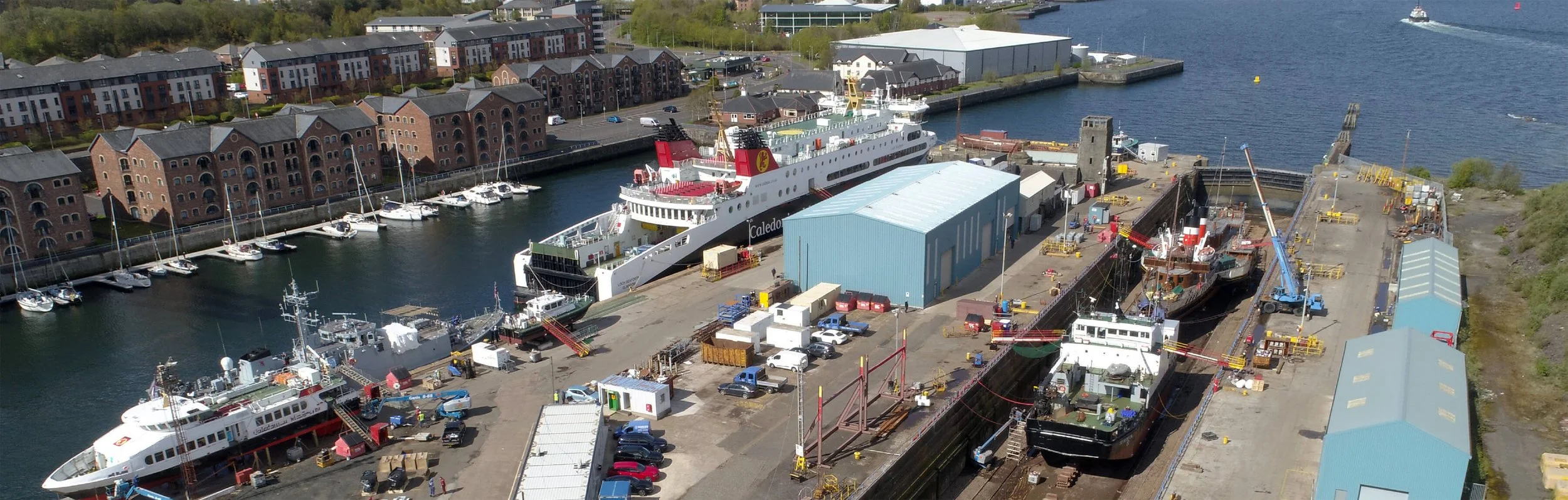
Mechanical engineers at Dales Marine keep vessels running. Ships come into the yard every week or two for repair and servicing, and you’d be working on everything that makes them move; engines, propulsion systems, tail shafts, gearboxes, valves, and more.
Day to day you’d be:
Stripping down and rebuilding marine diesel engines, removing cylinder heads, inspecting pistons, replacing liners and injectors
Working on propulsion systems like tail shafts, hubs, and blades that drive the vessel through the water
Inspecting and servicing gearboxes, valves, and mechanical systems throughout the ship
Identifying which parts are fit to go back in and which need replacing
Think of it like being a car mechanic, but scaled up. The same principles apply, you’re still working with engines, gears, and moving parts, but these are diesel engines powering vessels up to 100 metres long. Ferries, transport boats, support vessels. The tools aren’t crazy big either, most days you’re working with a 19mm or 24mm spanner, not a comedy-sized wrench.
Every boat is different. Every job is different. One day you’re pulling apart a cylinder head. The next you’re down at the tail shaft. That variety is what makes the work interesting, and it’s why you’re always learning.
The vessels you work on supply communities across Scotland and beyond. Without the people who service and repair them, those supply chains stop. The work matters..

The benefits for you
Earn while you learn. You get a salary from day one. No student debt. No waiting three or four years before you start earning properly. You’re building your career and your bank balance at the same time.
A qualification that’s recognised worldwide. Your mechanical engineering apprenticeship gives you skills and qualifications that are asked for everywhere. Shipyards, oil and gas, manufacturing, marine engineering, energy. These skills travel with you wherever you go.
Experience you can’t buy. By the time you’re 21, you could have three or four years of hands-on experience under your belt. You’ll have stripped engines, serviced propulsion systems, and worked on vessels from 80 to over 100 metres. That puts you miles ahead of someone coming out of university with a degree but no practical experience.
A career that can go in multiple directions. Mechanical engineering is one of the broadest foundations you can build. From here you could move into marine engineering, project management, operations, offshore energy, manufacturing, or dozens of other industries. The apprenticeship covers such a wide variety of work that your options stay open.
Stable and long-term career. As long as there are machines, there’ll be a need for people who know how to fix them. Shipyards, factories, energy, transport, construction — mechanical engineers are needed everywhere. This isn’t a job that’s going to disappear..

You’re curious about how things work
Were you the kid who wondered what was inside the engine when your parents were driving? Do you look at machines and want to know how they work? That curiosity is exactly what drives the best engineers. You don’t need to know the answers yet, you just need to want to find them.
You'll Be Successful In This Career If...
You’ve got the right attitude
This is a challenging job. You won’t know everything when you start — nobody does. But you need a positive attitude, a genuine interest in what you’re doing, and the willingness to ask questions and listen carefully to the answers. Put the effort in, and you’ll do well.
You can communicate clearly
Engineering isn’t just about fixing things. You need to be able to talk to the people around you — explaining what you’re doing, asking the right questions, working as part of a team. Good communication is a bigger part of this job than most people expect.
What makes an application stand out?
Make sure you read the description, then tell us why you think you would be good for THIS job, and why you want it. Generic CVs are easy to spot - we want to see one from somebody who wants this job in particular!
You prefer hands-on work
This is a practical job. You can see what you’re doing and the progress you’re making. If you’re the kind of person who’d rather be doing something physical than sitting at a screen all day, this is your kind of work.
Qualifications you’ll need
You’ll need English and Maths. Subjects like engineering sciences, physics, or metalwork are a bonus but not essential. What matters most is that you’re willing to learn.
Interested? Here’s your options

Hear from our Mechanical Engineering Apprentice
Findlay Mackintosh

Come and see where you’d be working
Site visit
Are you ready to apply for this role?
Apply below