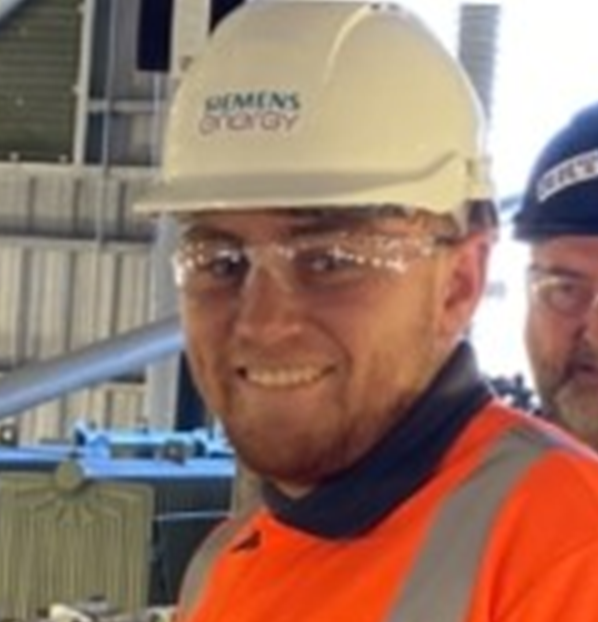
Stuart Simpson
Commissioning Technician
at Siemens Energy
How I got here
I did A-levels after school, then applied for an engineering apprenticeship with Siemens. I started off in projects, which was good. I learned a lot and it's helped me understand the office side of how everything works. But there was quite a bit of desk-based work, and I knew I wanted something more hands-on.
The turning point came when I got sent up to the Shetlands to help out on a project. When I finished what I was there for, I went to help the commissioning lads with their work. That's when I realised I was really enjoying it. I contacted my boss and asked if there was any chance I could transfer over to commissioning.
If I'm being completely honest, I didn't even know this job existed before I joined Siemens. I wish I had, because I would have gone straight into commissioning from the start. But I'm glad I found it!
What I actually do day-to-day
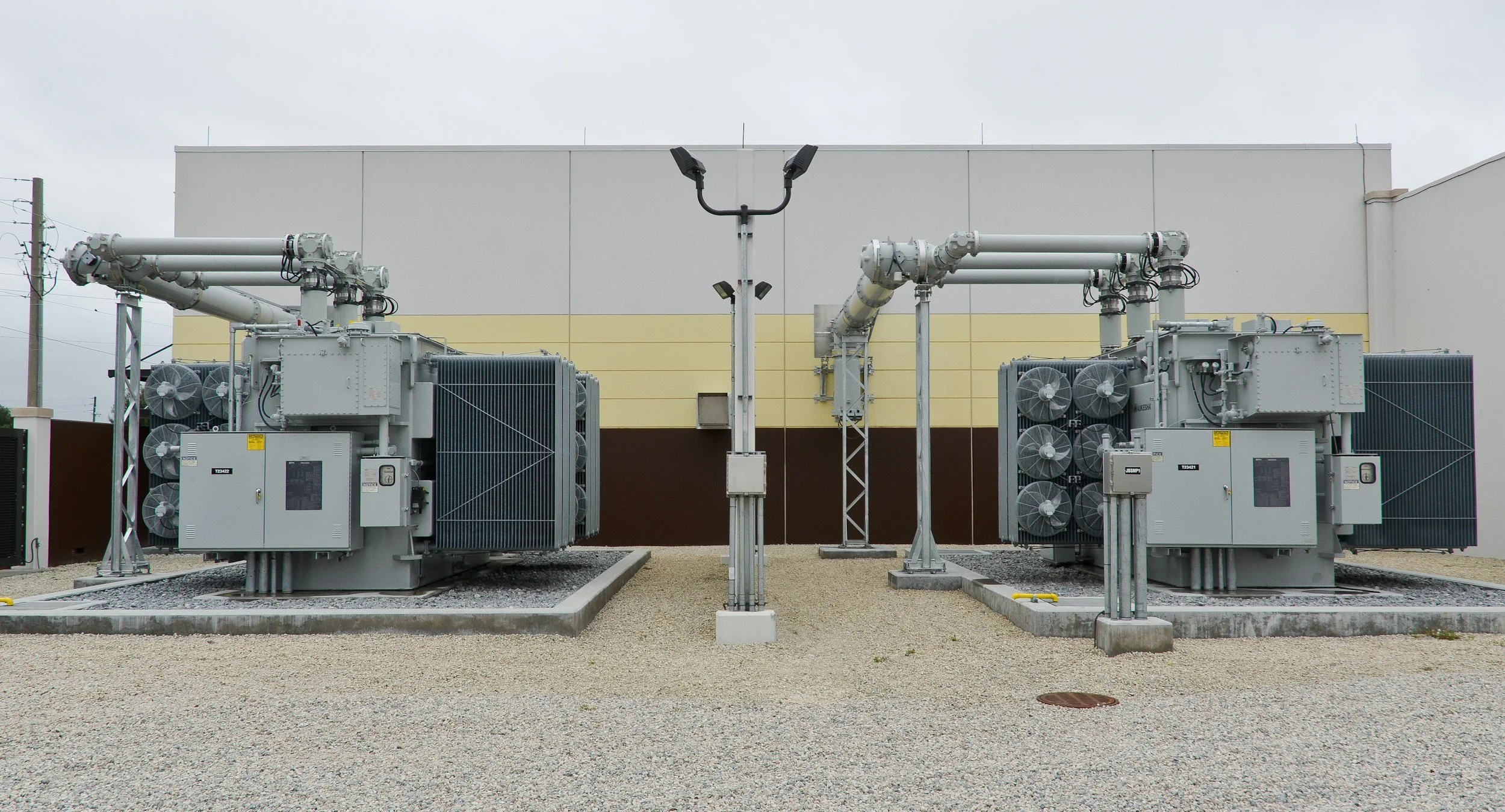
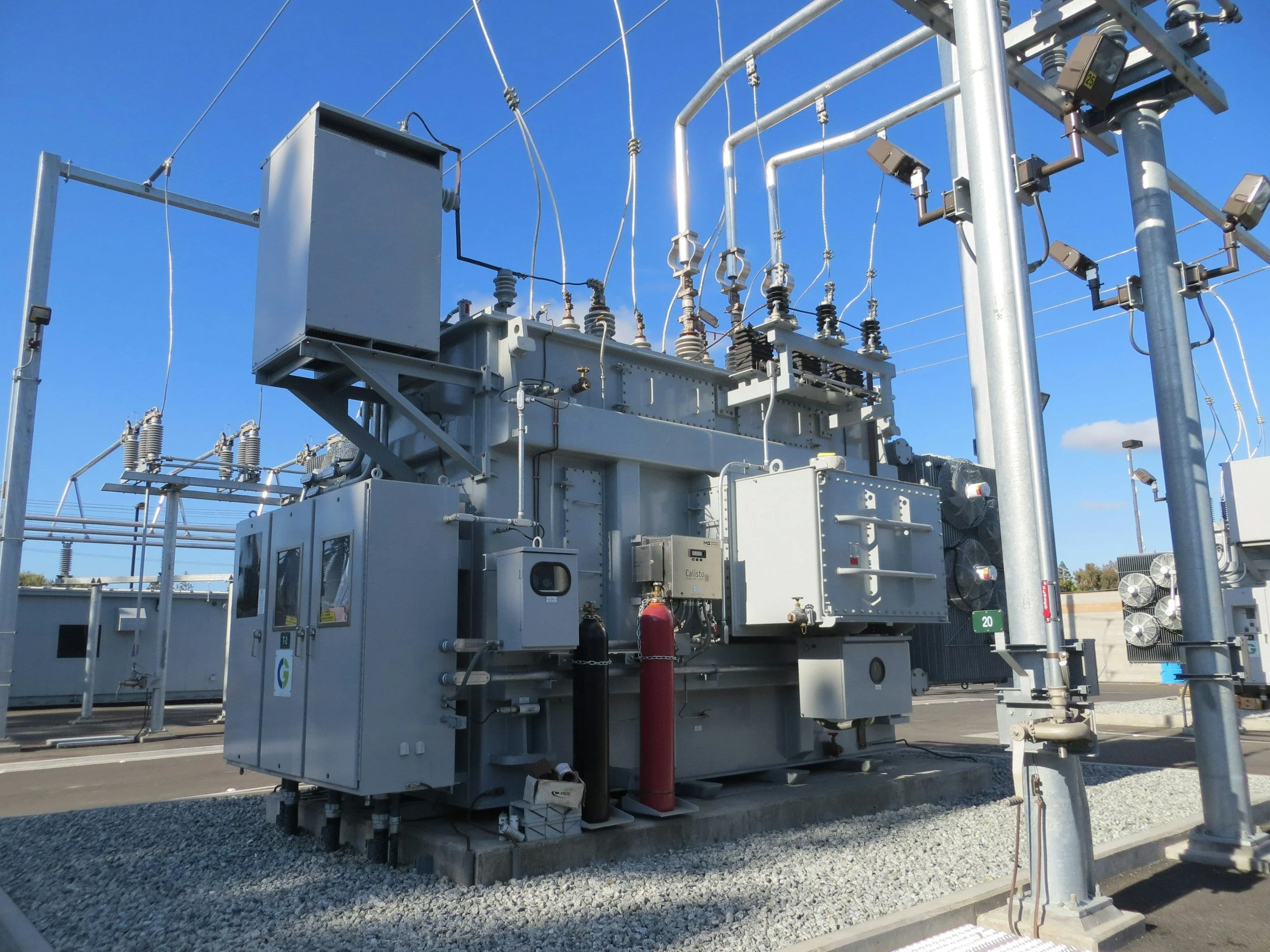
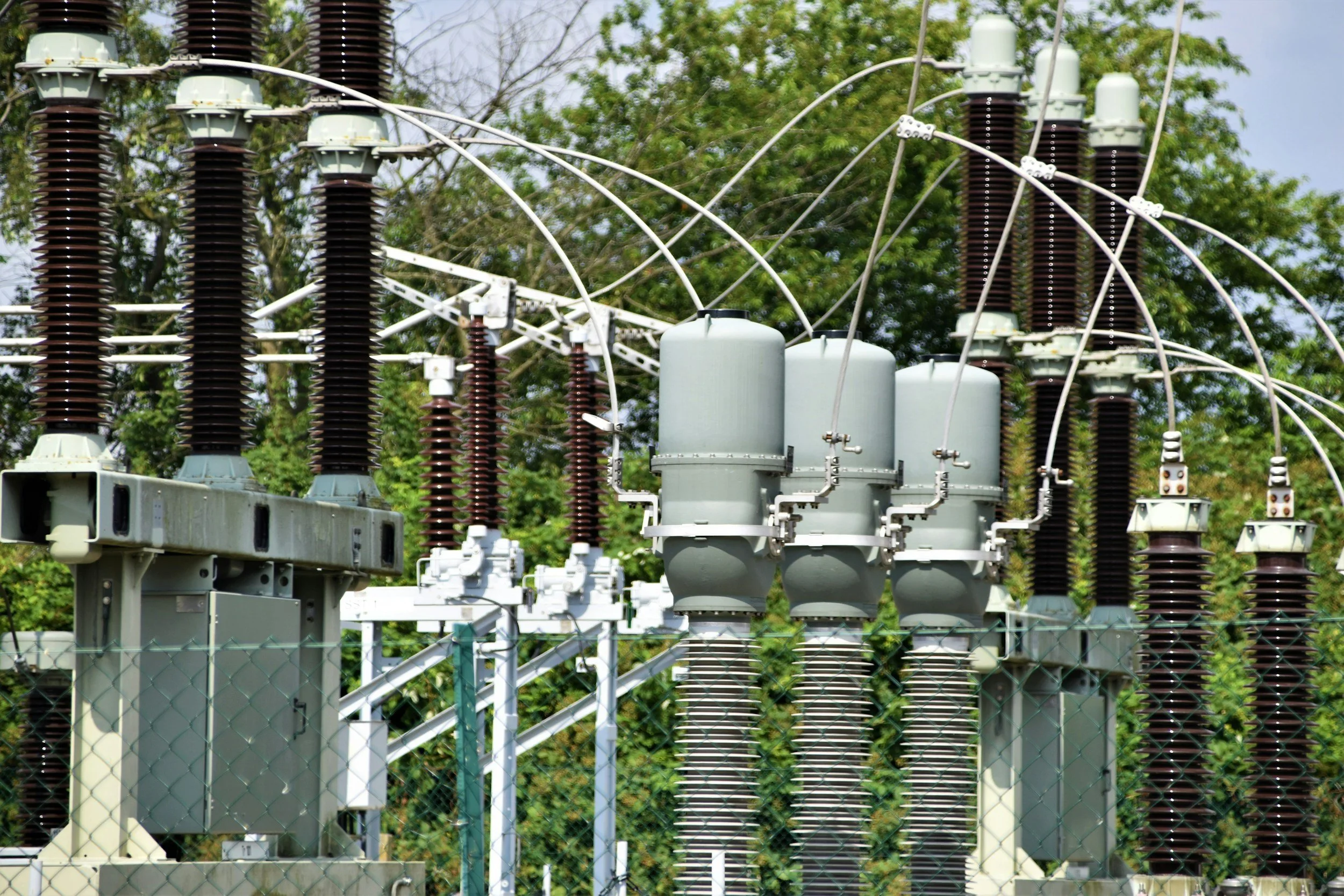
Right now I'm working on the Beauly project in Inverness. It's a 132kV substation upgrade for SSE. The work is about 90-95% actually on site doing practical stuff.
We're the last stage of the project. First, other teams dig the hole and build the structures. Fitters install all the big equipment. Electricians wire it all up. Then we come in and test everything before the power gets switched on.
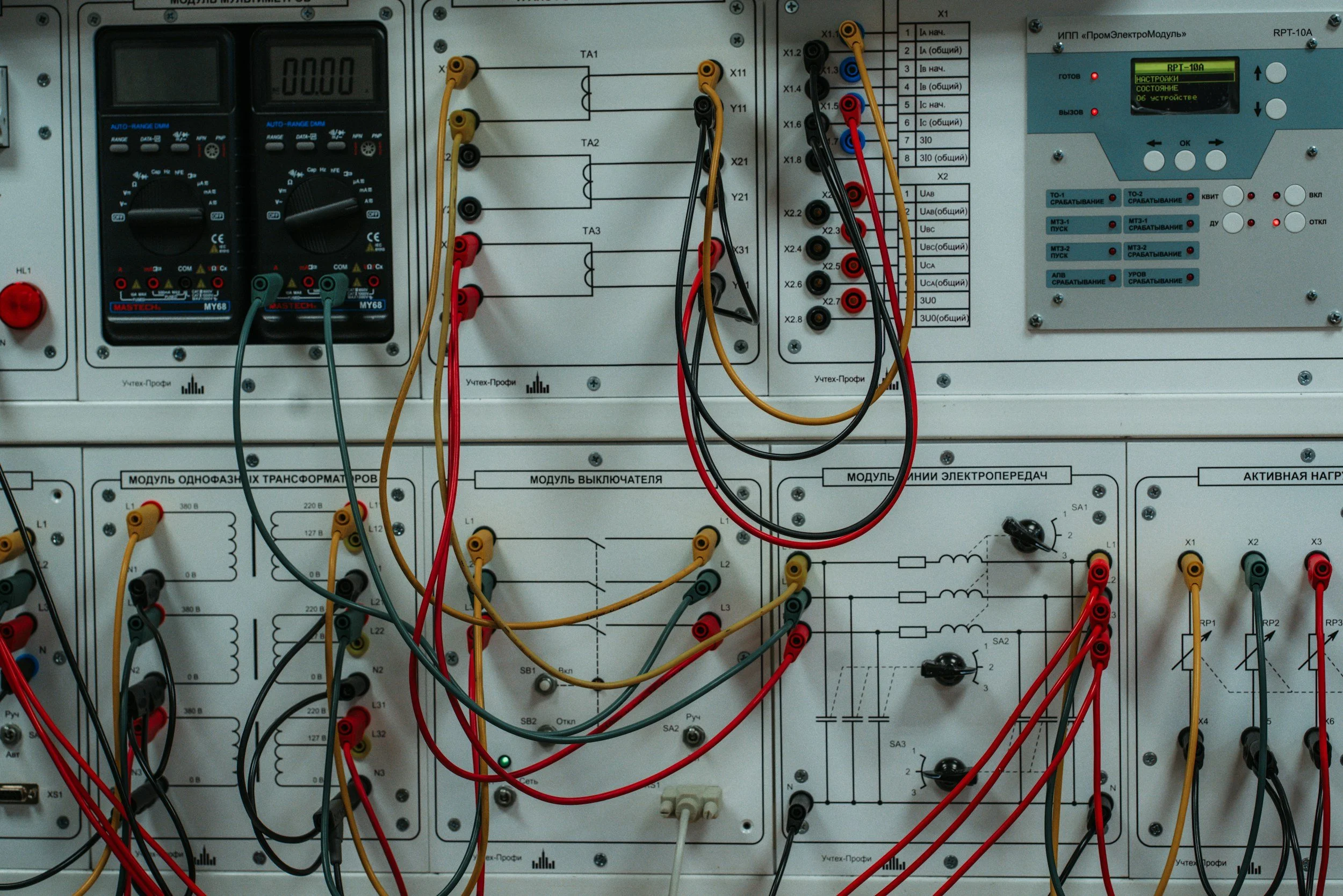
A typical day involves running tests on electrical systems, checking protection schemes work properly, filling out commissioning records. We use something called ICRs to document everything we test. When we find something that doesn't work, we've got to figure out why and fix it.
The testing often needs to be done live to properly simulate a real fault. So we work through safety documentation, get permission from the site duty holder, and then run the tests. It's quite strict on procedures. If something goes wrong with a substation, it affects a lot of people's power.
There's some paperwork, but most of the time you're actually out doing things. I help a commissioning engineer, and there's a lead engineer above them. At the moment there's five of us here. I've been on sites with 15 people, sites with just 2. Depends how big the project is.
What I enjoy about it
The problem-solving. When something doesn't work, you've got to figure out why. I quite enjoy all that. Tracing through wiring diagrams, finding where the issue is, fixing it. You get that satisfaction when you work it out.
Being hands-on. I didn't enjoy the office stuff when I started. This is what I wanted. Actually being there, physically testing things, seeing the real equipment.
Seeing something you've tested actually work. We're commissioning a substation that's going to be feeding power to homes and businesses. The work I'm doing here will affect the transmission of electricity in Scotland for the next 40 or 50 years.
What you learn on the job
Understanding how all the different systems connect together. Protection relays, wiring schemes, how one component affects another. You need to be curious about it. If I don't understand something, I won't properly know how to test it.
The safety side is massive. We're working with high voltages. Everything has to be documented. If we're working live, we need to justify why. There's a nominated duty holder who authorises the work. You learn to take the procedures seriously because the consequences of getting it wrong are serious.
Learning from the engineers. My on-site employer is really supportive and is always looking to develop my skills. There's always someone there to speak to if you're not sure about something. You're not just thrown in on your own.
My advice
I didn't have a clue this job was a thing when I was coming out of school. And it would have been ideal for me if I'd known about it and applied straight away. If you're reading this and it sounds like what you want, go for it.
Apprenticeships are a really good route. I know people my age who went to uni and dropped out, and now they're not doing anything. With an apprenticeship, you're learning on the job. Everything you learn is specific to what you actually do. And you're earning while you learn.
The work's absolutely booming at the moment. There's a big upgrade happening on substations across all of Scotland and beyond. Loads of jobs coming up. The energy transition means more substations connecting wind farms and renewable energy to the grid. It's a good time to get into it.
And your maths and physics from school? You'll actually use it. It's quite good seeing something you learned in a classroom actually applied in real life.