

Commissioning Technician
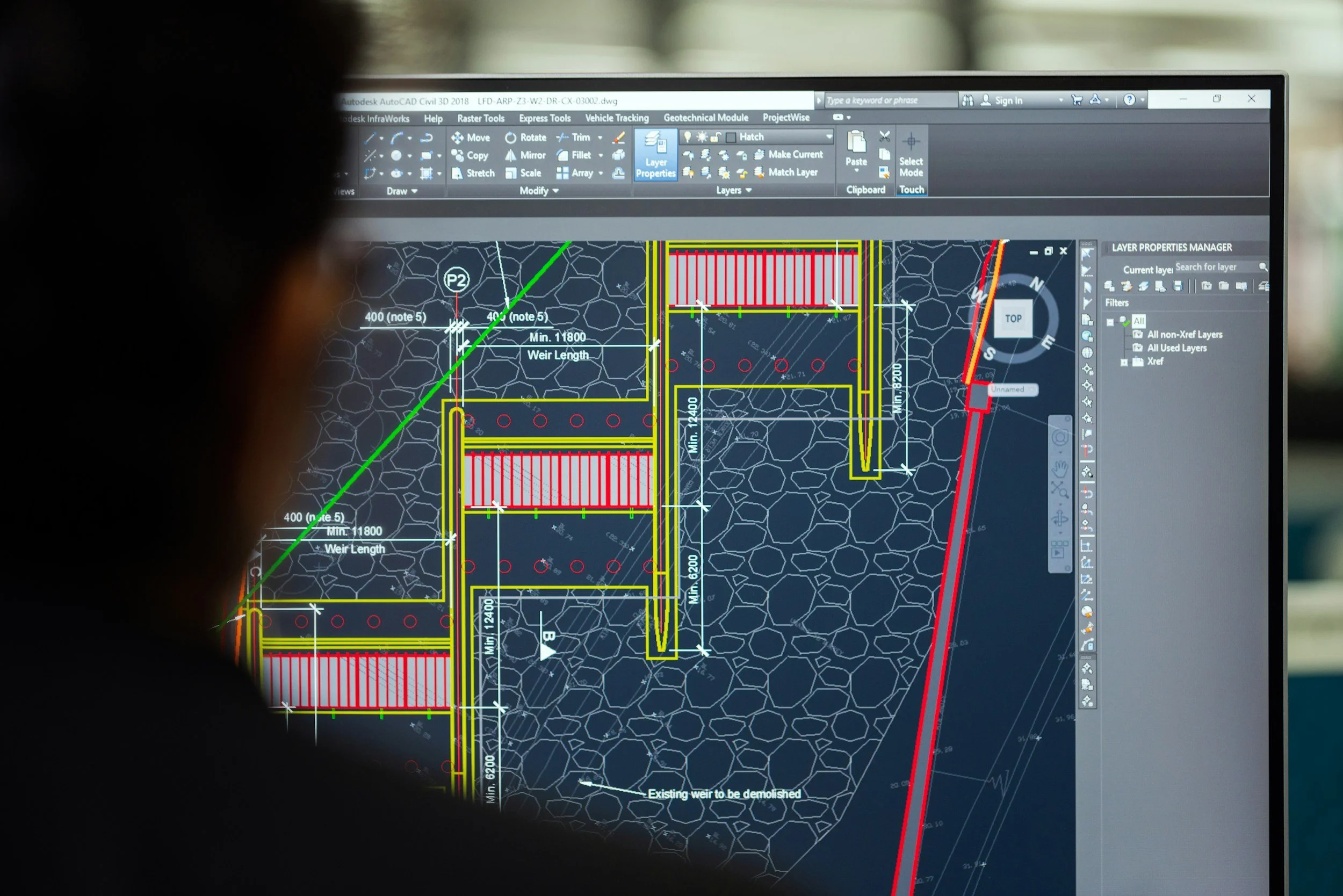
This page gives you the real story about what it's like to be a Commissioning Technician (with insights from people actually doing the job).
Your goal: Decide if this sounds interesting enough to explore further, or if it's clearly not for you. Both answers are useful!
It will take about 5 minutes to read through - by the end, you'll know if this is worth exploring or if you should look at something else.
What is this job?
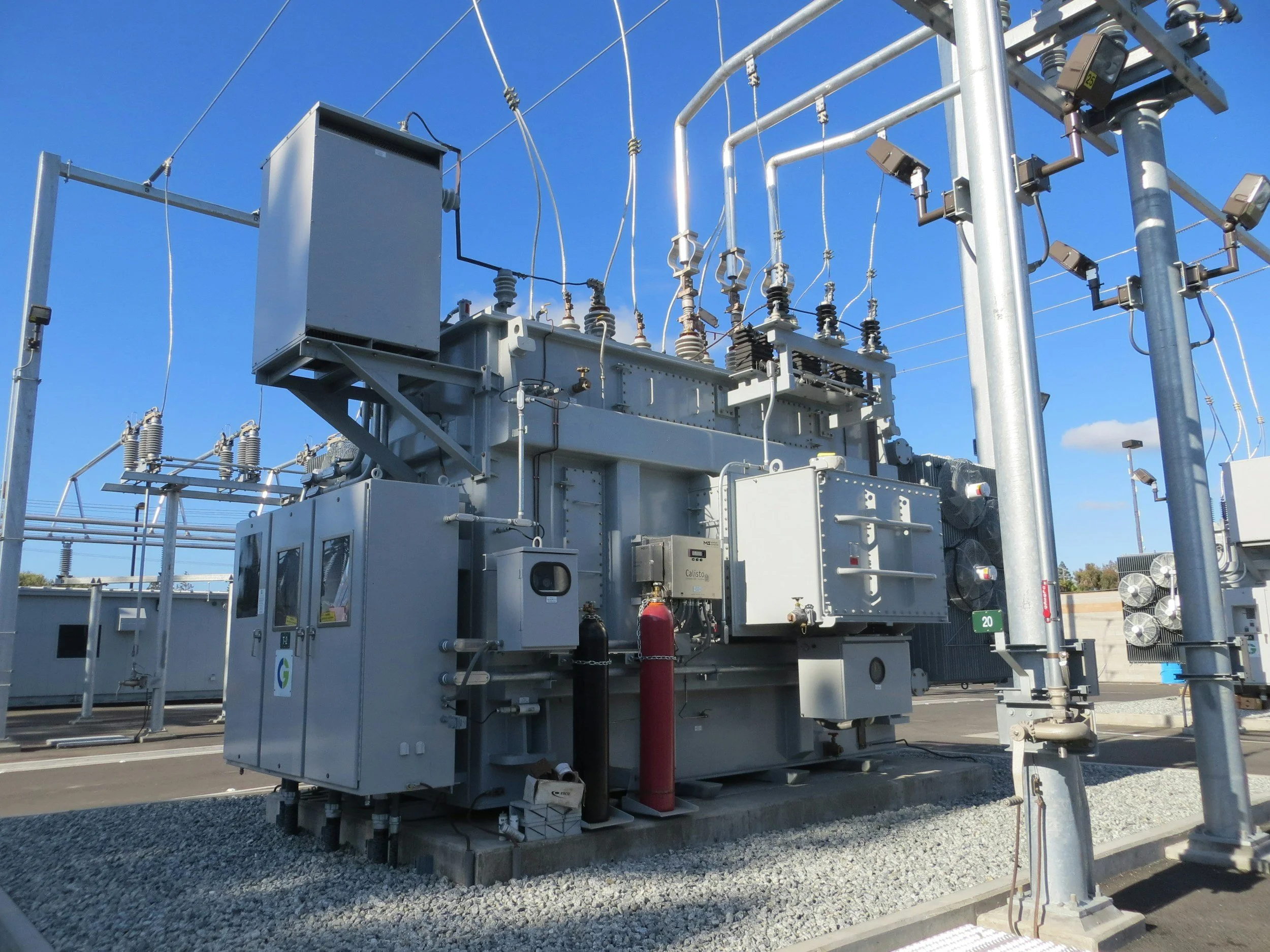
Before a substation can start sending electricity to homes and businesses, someone needs to test every single system to make sure it all works properly and safely. That's a commissioning technician.
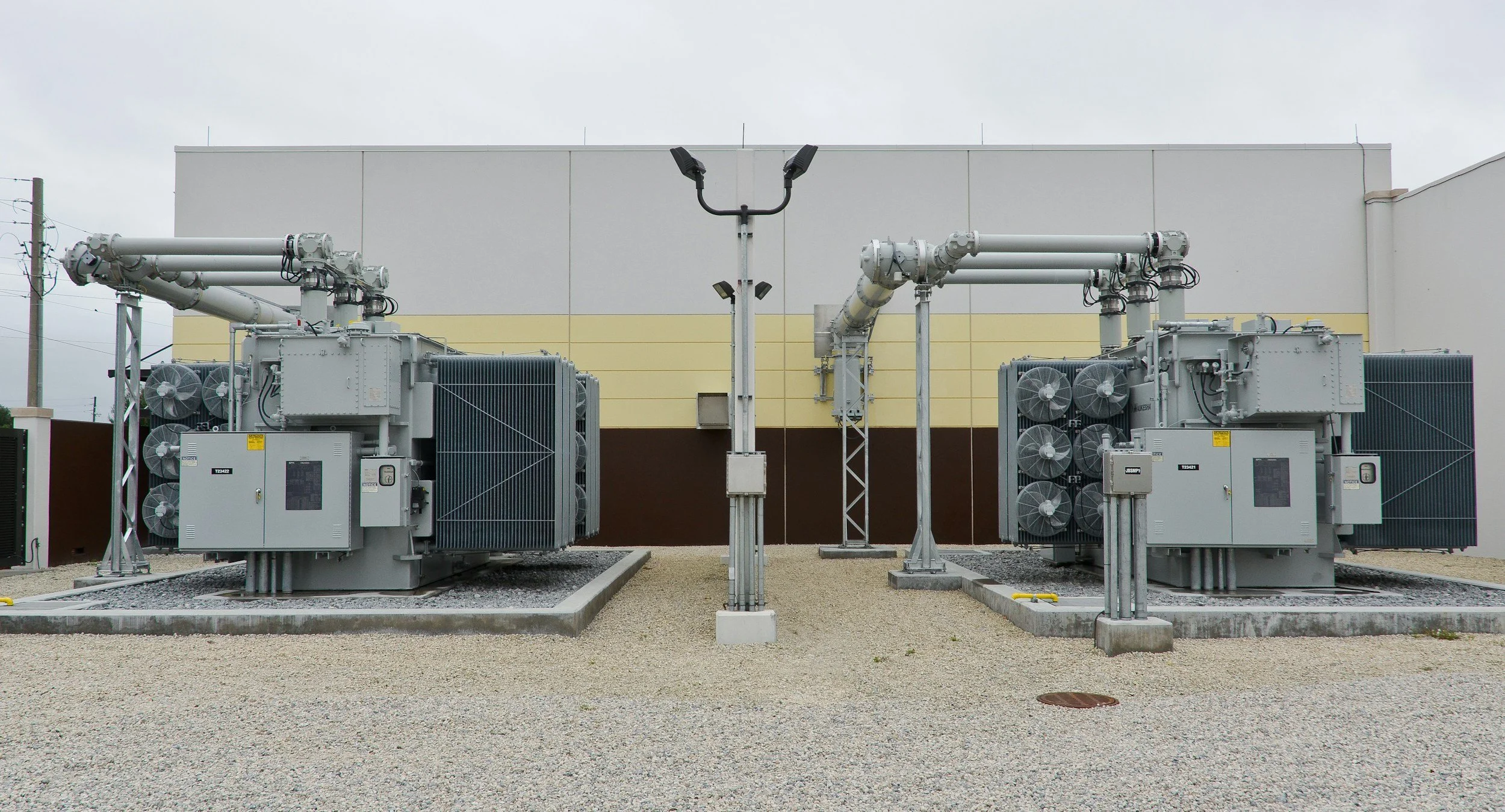
Substations are the places where high-voltage electricity gets transformed into lower voltages we can actually use. They're critical for connecting renewable energy sources like wind farms to the power grid. But before any of that equipment goes live, commissioning technicians run it through rigorous tests, find any faults, and make sure everything operates exactly as it should.
Think of it as the final quality check before the power gets switched on. You're the last line of defence between a brand new substation and the millions of people who'll rely on it for their electricity.
It's hands-on, technical work with a lot of problem-solving. When something doesn't work the way it's supposed to, you need to figure out why and fix it.
What do they do day to day?
You work on site at substations, testing electrical systems before they go live. The job is about 90-95% practical, hands-on work.
Testing and commissioning:
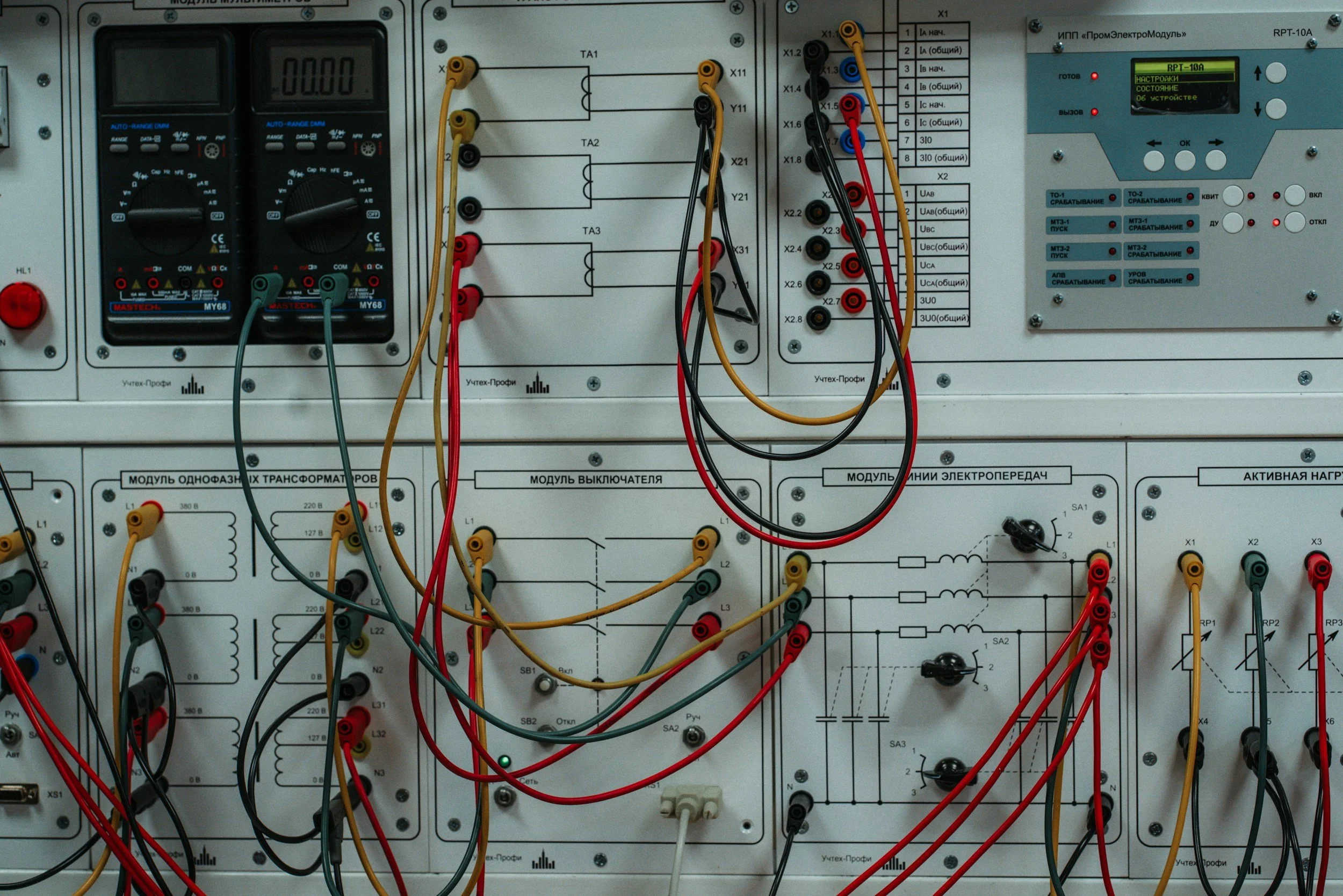
Running tests on electrical systems to check they work correctly
Powering up equipment for the first time and monitoring how it behaves
Testing protection systems that trip the power if something goes wrong
Using documentation called ICRs (commissioning records) to record your findings
Fault finding and fixing:
When tests fail, working out what's gone wrong
Tracing wiring issues and fixing them
Checking schemes and wiring diagrams match reality
Problem-solving in the moment to get systems working
Who you work with:
A small team of technicians and engineers (typically 2-15 people depending on the project)
A commissioning engineer who supervises your work
Client representatives who witness and sign off your tests
Other trades like electricians and fitters who've built the substation
Where you work:
On site at substations across the country
Projects can last months, so you'll often stay away from home
Accommodation and expenses are typically covered by your employer
Once a project finishes, you move to the next one wherever it is

How much do they earn?
Salaries vary depending on the company, location, and your experience level. Here's a rough guide for commissioning technician roles:
Level 3 Apprenticeship (straight from school) £17,000 - £22,000 per year
You're learning on the job while earning. This typically lasts 3-4 years.
University Graduate £28,000 - £32,000 per year
Graduate schemes with companies like Siemens or National Grid.
With Experience £35,000 - £50,000 per year
Once you're fully qualified and working independently.
Senior Level £50,000 - £70,000+ per year
Lead engineers and those with specialist expertise.
What affects your salary:
Which company you work for - large contractors and network operators typically pay more
Willingness to travel and work away from home
Specialisms in high-voltage or complex protection systems
The boom in renewable energy means high demand for these skills right now
Remember: These are approximate figures for the UK and can vary. Many employers also cover accommodation and expenses when you're working away from home, which effectively adds thousands to your take-home pay.
You'll Be Successful In This Career If...
You're hands-on and practical
You'd rather be doing than sitting. If you enjoyed workshop classes at school and found classroom lessons dragged, this kind of work might suit you. About 90-95% of this job is actually out on site doing practical work, not sitting at a desk.
You're comfortable with detailed documentation
Testing electrical systems involves paperwork. You'll need to complete commissioning records precisely, justify why you're working live, and document every test result. If you're sloppy with documentation, mistakes can have serious consequences. It's not all hands-on; there's a chunk of careful recording too.
You enjoy problem-solving under pressure
When something doesn't work, you need to figure out why. Sometimes it's obvious, sometimes you're tracing through complex wiring diagrams to find one wrong connection. If you like the satisfaction of diagnosing a problem and fixing it, you'll enjoy the troubleshooting side of this work.
You're curious about how electrical systems work
Good technicians don't just follow procedures blindly. They want to understand why they're doing something and how one component affects another. When you understand the system, you can diagnose problems faster. If you enjoyed physics or engineering science at school, that curiosity will serve you well here.
You can handle working away from home
Projects are wherever the substations are being built, which means you'll often be staying away from home for weeks or months. Your company covers accommodation and expenses, but if the idea of not being home every night sounds difficult, this might not be the right fit.
The Bottom Line
If you want practical, hands-on work with electrical systems, don't mind travelling and staying away from home, and like the idea of being the person who makes sure the power grid actually works safely, then commissioning technician could be a strong fit for you.
The routes to the role:
Level 3 Apprenticeship (straight from school):
- Start at 16 with GCSEs including Maths and English
- Takes 3-4 years to complete
- Earn while you learn with no student debt
- Companies like Siemens, National Grid, and SSE all offer these
University degree:
- Electrical engineering degree works well
- Apply to graduate schemes in your final year
- Higher starting salary but student debt
- Can fast-track to commissioning engineer role
Level 4 Higher Apprenticeship:
- Need A-levels or BTEC including Maths or Physics
- Takes 3 years to complete
- Higher starting salary than Level 3
- Leads to HNC in Electrical Power Protection and Plant Commissioning
What helps:
- Good grades in Maths, Physics, and Science
- Any prior electrical or engineering experience
- Interest in the energy transition and how the grid works
- Being able to explain why you want this specific role
Insights from people who do the job
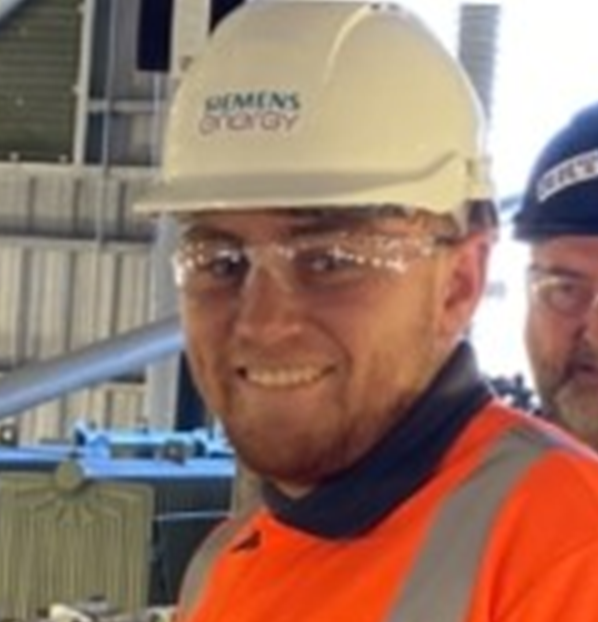
Stuart Simpson
Commissioning Technician at
Siemens Energy