
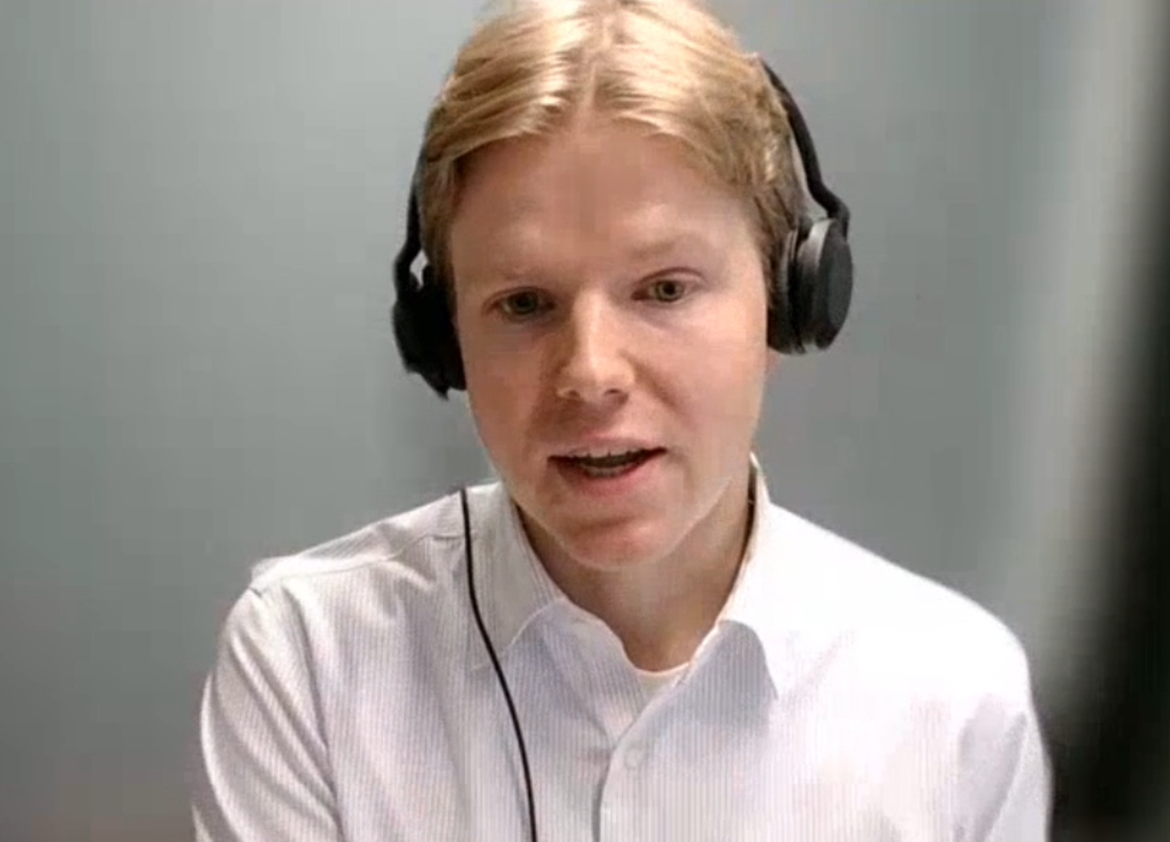
Emil Solberg Mikkelsen
Commercial Analyst at Vattenfall
How I got here
After school, I took a couple of gap years. During that time, I figured out that I wanted to do something with finance. I didn't really know exactly what, but I knew that was the direction I wanted to go.
I went to university and did five years of studying, including a master's in finance. That might sound like a lot, but it gave me a solid base in how to think about money, investments and business decisions.
When I finished, I ended up in a fintech company working in the financial sector. It was good experience and I learned a lot about financial modelling and analysis. But I felt like I wanted to work on something more tangible, something where I could see the real-world impact of what I was doing.
I was always fascinated by engineering and the energy transition, so when I saw this role at Vattenfall come up, it seemed like a perfect match. I could use my financial skills but apply them to actual projects, like building district heating networks that deliver warmth to people's homes.


What I actually do day to day
I work for Vattenfall in their district heating business. We deliver heat to homes from centralised energy centres rather than each house having its own boiler. My job is to look at different ideas we have and figure out if they'll work financially.
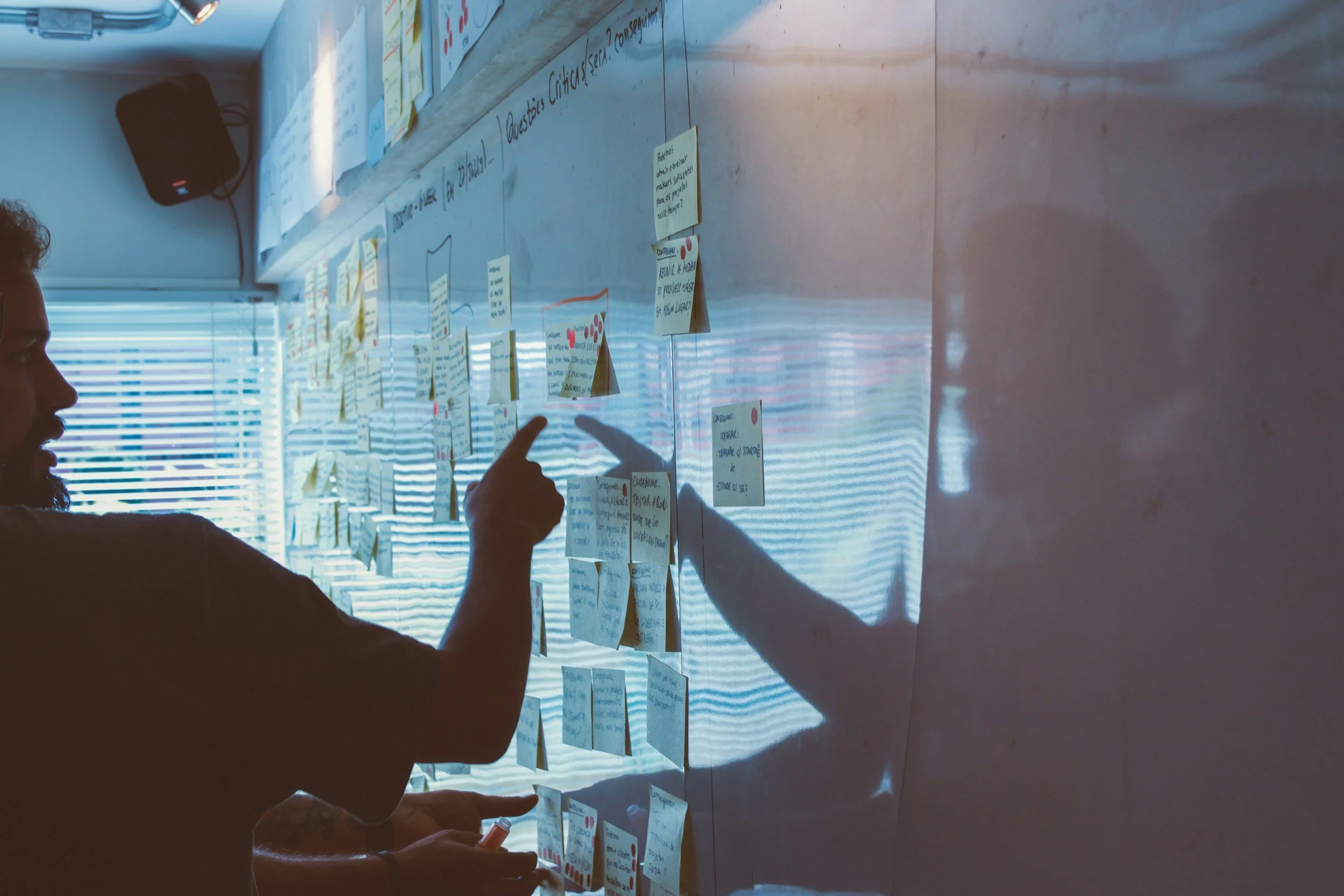
On a typical day, I'll come into the office and check my emails to see if there are any updates to the models I'm working on. Then I spend most of my time working in spreadsheets, building and updating financial models.
The models show things like: what will it cost to build this heat network? How much can we charge customers? What are the ongoing costs for energy and maintenance? When will we start making money back?
I talk to other teams a lot. The engineers tell me what equipment we need and what it costs. The sales team tells me how many customers they think we can get. My job is to take all that information and work out if the project makes sense.
If something doesn't look profitable, I try to find ways to make it work. Could we build it in stages? Is there a cheaper supplier? Could we structure the payments differently? It's about being creative within the constraints.
I also have to present my findings to people who'll make the final decision. So I need to take this big complicated model and explain in clear terms whether they should go ahead with the project or not.
What I enjoy about it
I love that it's work with a real product at the end. I'm sitting here doing calculations and building models, but in a few years there will actually be people with heat in their homes because of that work. You can see the impact.
I like that I get to work with engineers even though I'm not an engineer myself. When I was younger, I was trying to decide between economics and engineering. This role lets me be involved with both sides.
The problem solving aspect is great. You've got all these constraints - budget limits, timelines, technical requirements - and you have to find a way to make it work. It's like solving a puzzle where the pieces keep changing.
And honestly, I enjoy looking at spreadsheets. If that sounds boring to you, this probably isn't your job. But I find it satisfying to build a model, test different scenarios, and see what the numbers tell you.

What you learn on the job
You need to be good at questioning assumptions. Someone gives you a number, you need to understand where it came from and whether it makes sense. Is there a cheaper way? Are we being too optimistic? What if things go wrong?
It's important to work well with different teams. I talk to engineers who think about the technical side, sales people who think about customers, and senior managers who make the big decisions. You need to understand what each person cares about and speak their language.
You have to be able to distil complex information into something simple. Your model might have hundreds of lines, but you need to tell someone in two minutes whether this is a good investment or not.
Attention to detail matters. You're making models that people use to make million-pound decisions. Getting the numbers wrong isn't an option.
And you need to be comfortable with uncertainty. You're making assumptions about the future - energy prices, customer numbers, construction costs. You'll never have perfect information, so you learn to work with what you've got and be clear about where the risks are.
My advice
If you think this sounds interesting, try building a financial model for something you care about. Pick a company you like and try to work out if their latest product will be profitable. You don't need to share it with anyone, just see if you find that process interesting.
Being good at maths helps, but it's not just about being able to do calculations. It's about understanding what the numbers mean and being able to spot when something doesn't make sense.
There are lots of ways into this kind of role. I did a finance degree and then worked in a different sector first. Some people come from engineering backgrounds and do some finance courses. Others do apprenticeships. Don't think there's only one path.
If you want to work as a commercial analyst, you have to be comfortable spending a lot of time with spreadsheets. That's just the reality of the job. If the thought of that makes you want to run away, that's useful to know now.
But if you like the idea of solving problems with numbers, working out what makes business sense, and seeing your analysis lead to real things being built, then this could be a really good fit.