

Priyam Pokhrel
Auditor at PwC (Senior Associate)
How I got here
I'm from Nepal and did my high school there. I also studied in India. Back then, my interests were in mathematics, psychology and neuroscience.
I came to the UK to do a joint honours degree in psychology and mathematics. I was interested in the experimental, scientific side of psychology rather than the theoretical. Designing experiments, gathering data, analysing it, trying to make sense of it. That's why I did maths alongside it, they went hand in hand.
I finished my masters in cognitive neuroscience in 2021. Even then, I was drawn to the statistics side, summarising data, making sense of numbers.
During COVID, with more time on my hands, I did some online courses in finance and economics. A huge part of that is also statistics and data. I realised I could change route. So I went on to do my chartered accountancy at PwC.
It felt like a seamless transition because I'm still dealing with numbers. I like dealing with numbers. I'm interested in how you use numbers to make decisions, how companies use numbers to make decisions, and how numbers can translate into understanding a business. That's my common thread.

What I actually do day-to-day
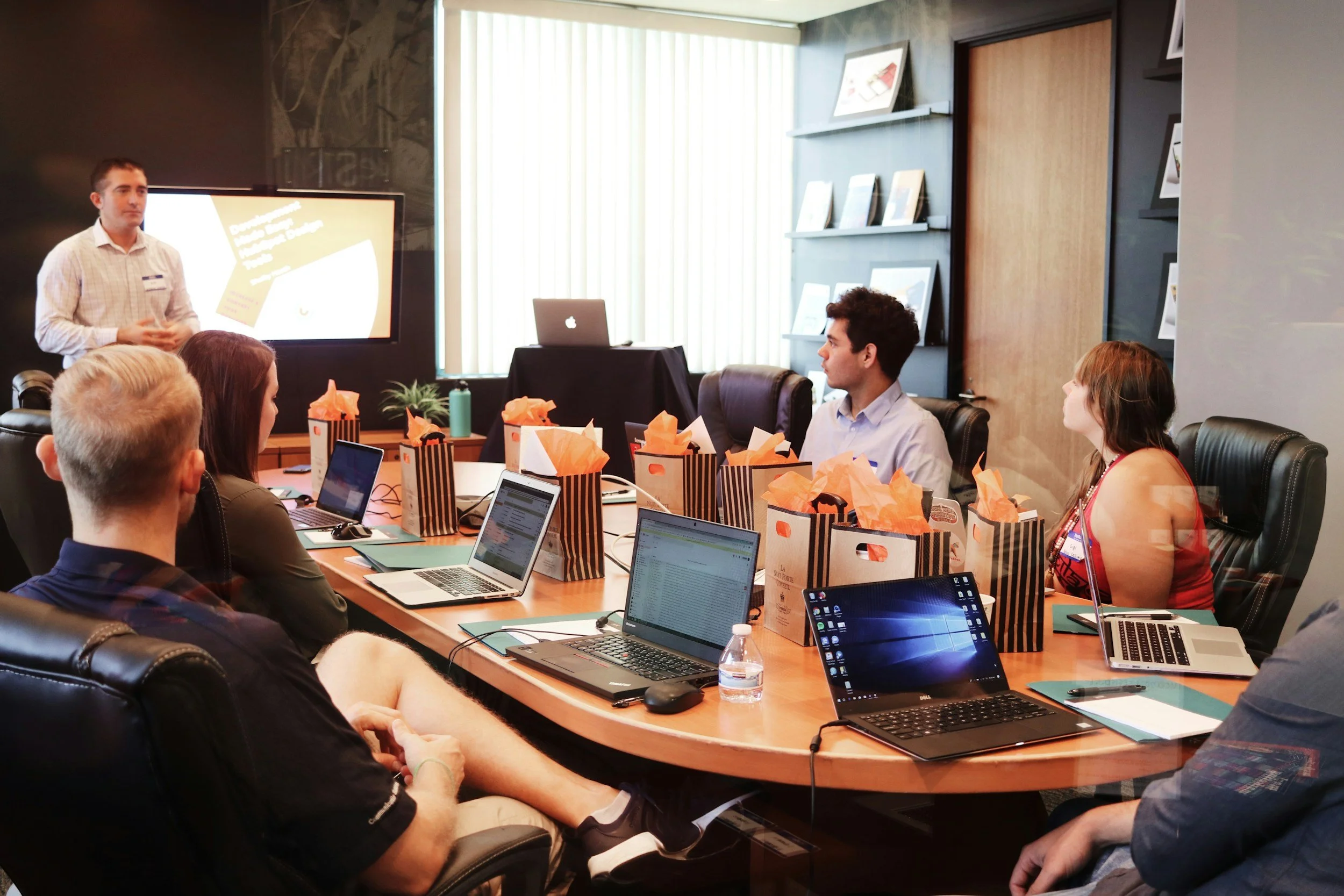
A huge part of the role is understanding the business. We have lots of client meetings. We do what we call walkthroughs, where we're trying to understand a particular business process, like how does a company raise a sales order and record their revenue. You're getting to grips with how a business actually works.
We use AI now to help with some of the heavy lifting. Back in the day, if we had a 300-page contract, we'd have to read through the whole thing and extract all the key terms. Now AI gives us a summary in two minutes. It's the same with meeting transcripts. AI doesn't make the decisions, our role is still judgmental, but it lets us focus on the decision-making rather than the summarising.
At my level, I'm also doing a lot of project management and coaching. Half my time is spent coaching juniors or working with offshore team members in places like India.
What I enjoy about it
Understanding what lies behind the numbers. It's not just about the figures themselves, it's about what they mean, what story they tell about a business.
I also enjoy seeing things from a broad perspective. I'm more of a big-picture person, understanding a project as a whole rather than getting lost in the absolute details. That suits this work well.

What you learn on the job
Communication matters more than you might expect. You're interacting with clients daily, summarising what you've found, sometimes recommending how their business could be improved. You have to tailor how you communicate depending on who you're talking to, a finance director needs a different response than someone more junior.
Writing skills are surprisingly important too. When you understand a business and go through your procedures, you have to summarise that understanding in words, as concisely as possible. That documentation is a big part of the job.
The organisation gives you the ability to make decisions from very early on. Even as a new joiner, you're encouraged to lead conversations with clients, to lead the team in meetings. In the first three years, you really get to grips with how auditing works and how businesses work.

My advice
Academics are important, they're one of the most important factors companies like ours consider when recruiting. But there's another aspect to it.
When I was at university, I worked a lot of part-time jobs. Sales assistant, research assistant, waiting tables. I was in places where I interacted with customers constantly, and my communication skills developed because of that. The recruiter at PwC found that experience really insightful.
A 2:1 with part-time experience, a project you've led, involvement in a university club or society, that often beats a first from someone who's only focused on getting the first. Employers look at the whole picture.
The skills are transferable. A lot of people in our firm have done something quite different before, another job, another field entirely, but it translated into what they're doing now. Communication, writing, analysing numbers. Use your part-time work as training, not just income. By the time you get here, you'll be able to say: I knew I'd need this skill, so I developed it. That puts you years ahead in interviews.