
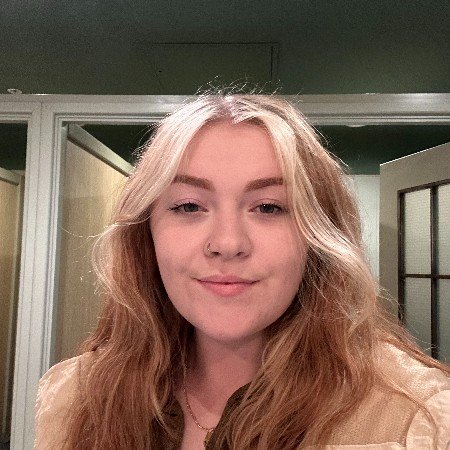
Ayla Robertson
Auditor at PwC (Senior Associate)
How I got here
When I was in secondary school, I wanted to be an engineer. I even did an engineering course in my last year. By the end of it, I knew that wasn't the path for me.
I chose cybersecurity at university instead. It was a super interesting degree and I really enjoyed it, but I couldn't see myself doing it as a job long-term. There were aspects I liked, but something was missing.
Between my penultimate and final year, I started exploring placement offers. I saw PwC come up and thought, that's a company I've heard of, I'll go for that. I did a four-week summer placement in their Aberdeen audit team.
Those four weeks changed everything. I enjoyed the people, I enjoyed meeting clients, I enjoyed the actual work. When they offered me a role at the end, I accepted. A year later, I graduated and became an auditor.

What I actually do day-to-day
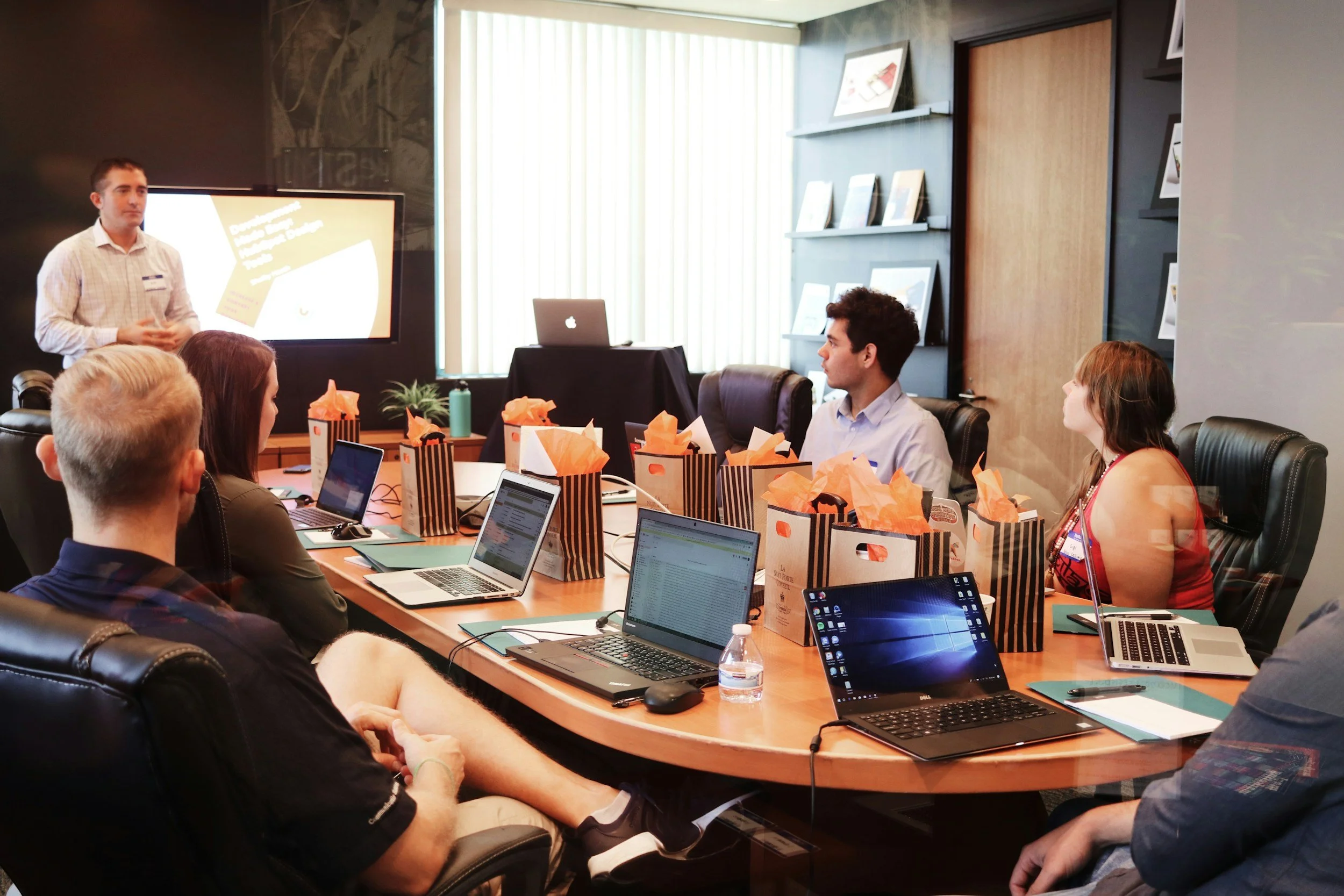
The biggest part of the job, and the part I enjoy most, is understanding the business and the people in it. We go into companies not knowing much about them, and we get to talk to the people who do this work every day. Engineers, accountants, pilots. They tell us how they actually make money.
One example: I worked with a helicopter service provider. You can see on paper that they have helicopters and fly them, but we actually went out and spoke to the pilots. We saw how they plan their routes, what that means to them day-to-day. That kind of understanding is essential for building good relationships and really grasping what a business does.
We also work with complex models. Clients might give us their expected cash flows for the next few years, or calculations showing whether an asset, maybe an oil rig, will be profitable decades from now. These models can be difficult to understand at first because you didn't make them. But I enjoy looking at them from a wider perspective: what am I trying to get from this? Are the inputs sensible? Do they align with industry projections?
Research is a bigger part of the job than people might expect. When we're planning how to test something, we need to understand not just the business but the industry it operates in. If you're working with an energy provider running wind farms, you need to know: is investment in renewables increasing? What's public perception like? How are their competitors doing?
What I enjoy about it
Problem solving. I love being presented with a challenge and having to go figure it out. There's collaboration to that, asking peers and managers, but the part I really enjoy is getting deep into something and then that feeling of accomplishment when you've cracked it.
The human side matters too. When you've worked through a complex model, you get to speak to the client who really understands their business. They explain why they think they'll be profitable in ten years. You're not just checking numbers. You're understanding the story behind them.

What you learn on the job
When I started, clients felt like scary mystery people. Managers and partners in the office could feel intimidating too. You have to get comfortable with that discomfort and remind yourself they're just people. It's about building that almost-friendship, which takes confidence you don't always have at the beginning.
Communication is harder than it sounds. You need to adapt how you explain things depending on who you're talking to. If you're speaking to an engineer, you're not going deep into accounting standards. You have to know your audience, be concise, and think about what you actually need them to understand. I've caught myself talking too much, stumbling over myself. It's about taking a breath and being clear.
And you're often working with people you've never met, across different offices in Scotland. You have to be able to collaborate quickly, build rapport fast, and get things done together without that existing relationship to fall back on.

My advice
Show that you're willing to do things outside your studies. When I was at university, I was in various societies. They don't need to be academic, they can be sports or a film club. But when you write about something you're genuinely passionate about, it comes through. People can see you cared about it, that it was important to you, and because of that you worked hard.
In interviews, be yourself. People want to work with you because they want to work with you. They don't want someone stoic and super professional all the time. They want that human connection. If you're yourself and there's a clash, maybe you don't want to work there anyway. It's about finding the right fit for both sides.
Don't send the same blanket CV everywhere. Think about what the job actually is and what would help you stand out. It takes more effort, but it's worth it.