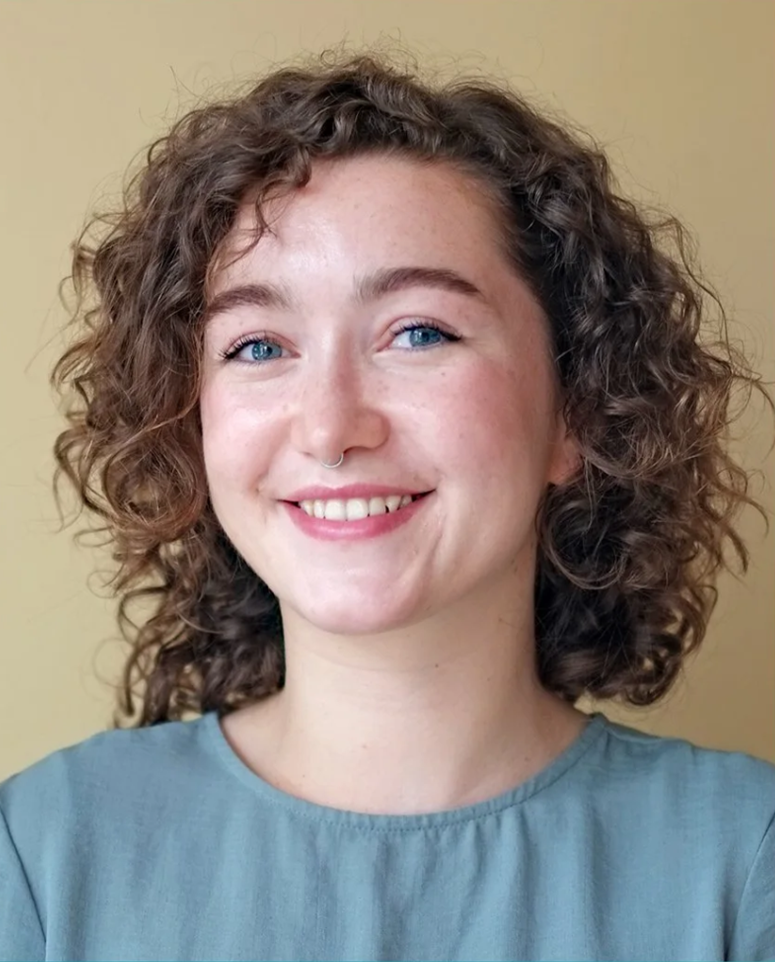
Tess Riley
Graduate Developer - Consents at
Buchan Offshore Wind
How I got here
I studied science at university and I enjoyed it, but when I left I knew I didn't want to actually be a scientist. I didn't want to be in a lab or work in that academic space. I just knew it wasn't for me.
But I still wanted to be close to science. This job lets me do that. I'm part of a company that funds cutting-edge environmental research, and I get to learn about all of it without having to do the repetitive legwork myself. It's the best of both worlds.
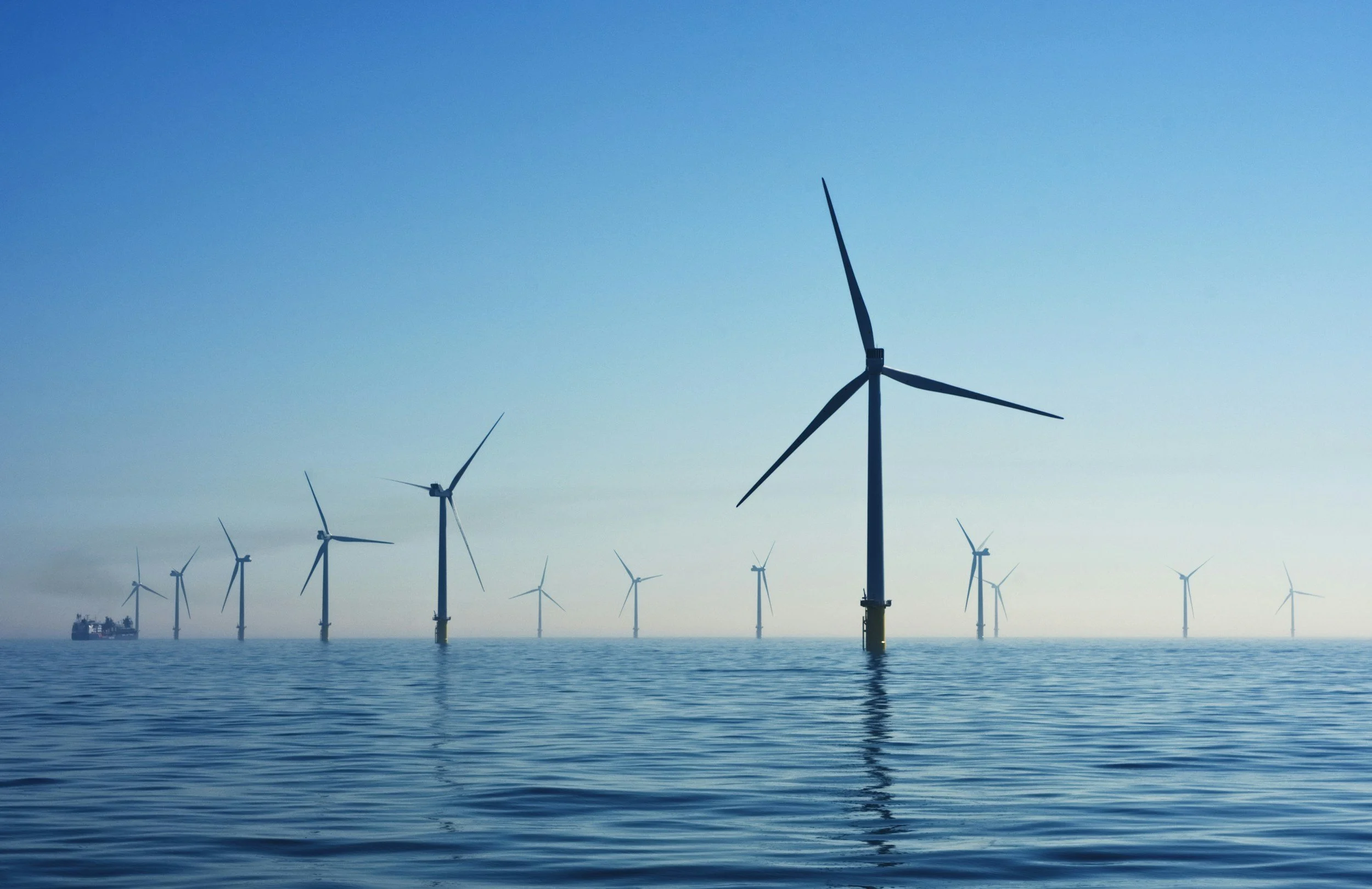
I joined Buchan Offshore Wind as a graduate developer on the consents team. That means I'm on the environmental side of offshore wind development, making sure that everything we design and put in place is in line with environmental and government guidelines.
Basically, we're asking the government's permission to build the wind farm. That's the simplest way to describe it.

What I actually do day-to-day
It's all office-based, five days a week. Occasionally we'll have to go to consultation events, maybe 5 to 10 days a year, but otherwise it's computers, documents, and Teams calls.
My biggest task has been coordinating the review cycles for our consent application. We had this enormous environmental impact assessment report to submit. When I say enormous, I mean probably 8,000 to 10,000 pages when we printed it out. It covers everything from fish and shellfish to seabirds to what the construction will look like.
I was managing when chapters would come in from different consultants, making sure they went to the right person on my team to review, chasing people up if they were late, and getting everything back on time. It's a lot of spreadsheets, tracking things, making sure we're on the same path as our programme.
Another big part was recording all the consultations. Every time we spoke to bodies like NatureScot or the Marine Directorate, I had to make sure it was documented, filed properly, and any actions followed up. If something from those conversations needed to go into the assessment, I made sure it happened.
I also coordinated the digital version of the whole report. We hired consultants to build it, and I was the one relaying what we needed, what we wanted it to look like, making sure they had the right documents and hit their deadlines.
What I enjoy about it
I'm a very organised person. I like it when things go the way they're supposed to go. And if a problem comes up, I like solving it to get back on track.
With a document this big, there's always something that comes up. Maybe a consultation body changes their advice partway through. Maybe a chapter gets delayed. It's like playing a little puzzle, figuring out how to rearrange the pieces so everything still gets done on time.
I really like my team too. It's small, which I prefer. I work with really smart people and I get to see how they work and discuss things with them. In a big company, everyone can feel a bit faceless. Here, if something goes wrong, you just message the person directly. It feels like you're all on the same team, aiming for the same thing.
And the science side of it. The data that people are gathering for these applications is sometimes really cutting-edge. I don't have to do it, but I get to learn about it. That's what I really enjoy.

What you learn on the job
You have to be comfortable with a lot of information. When the chapters come in from consultants, they're not summaries. They're detailed reports. You need to extract the key points, make sure you're not missing anything important, and then check the quality. It's a bit like writing an essay based on a book at school, going back and analysing certain parts.
You also learn to think quickly when things change. Sometimes a consultation body will tell you one thing at the start of your application, and then their advice evolves. If you don't pick that up until later, you might have to change the basis of a whole chapter that's already been written. You need to figure out how much it affects you, how much you can implement, and where it puts your deadline.
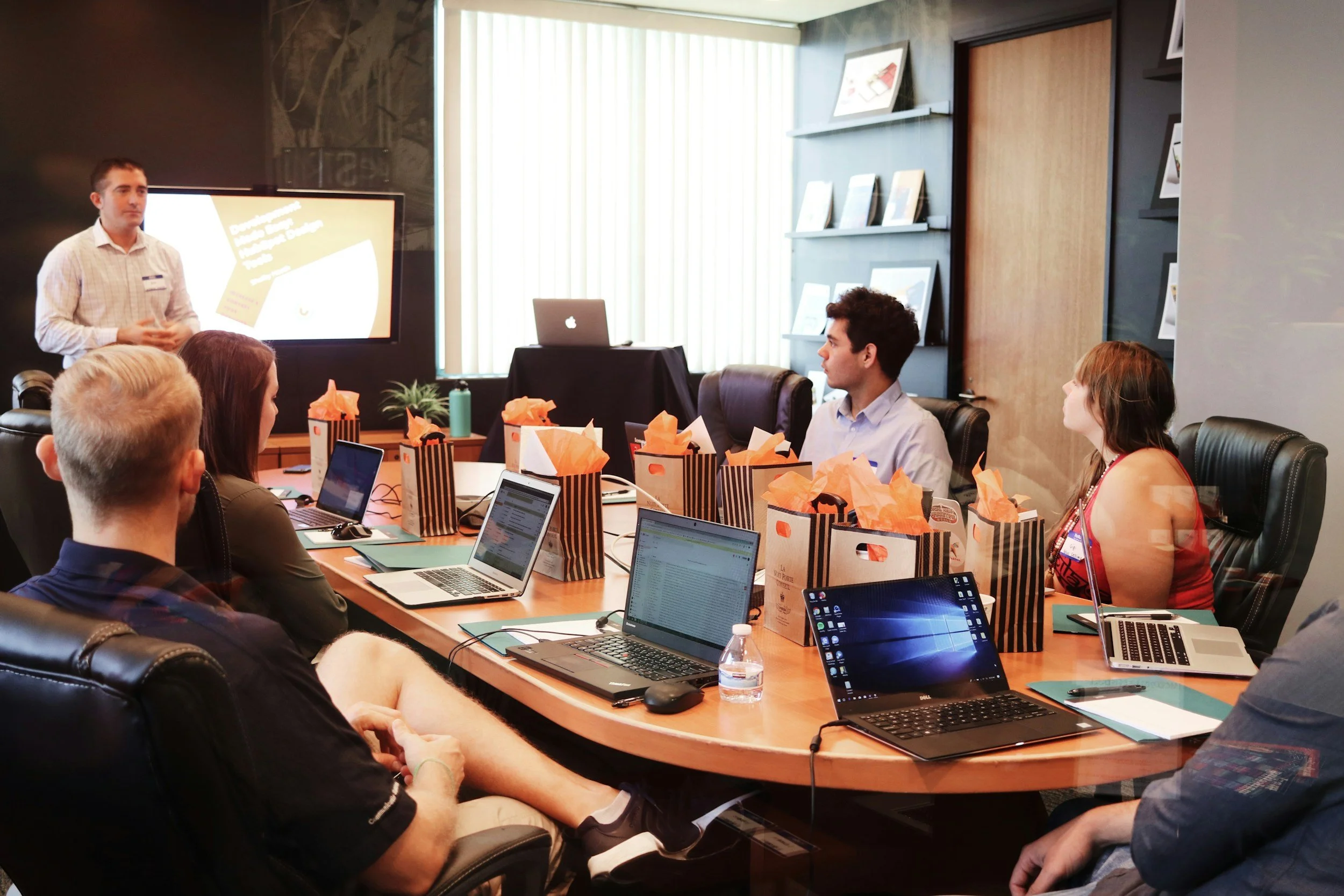
Working as a team is important. You're constantly speaking to consultants, having internal planning sessions with your own team, and making sure everyone's on the same page. You need to be able to communicate well and build working relationships.
My advice
If you like science but don't want to be a scientist, think about what you're actually good at. I'm good at being organised. I like tracking things, making sure things get done when they're supposed to get done. So I found a job where I could be close to the science I'm interested in, but use the skills I'm actually good at.
It's a bit like saying if you love animals but you're creative, don't become a vet. Maybe become a marketing assistant for the RSPCA. Be close to the thing you like, but use the thing you're good at.
I'm really grateful I started in a small team. It might feel like less progression opportunity than a big graduate programme, but you know everyone you work with, you can reach out to anyone directly, and there's more accountability. It feels nicer to start there. I think I would have felt very overwhelmed if I'd started in a big huge graduate programme.
And think about whether you're the kind of person who organises things. Do you plan your holidays? I've always got a note in my phone with all the things I want to do when I go away. If that sounds like you, and you're interested in science or the environment but don't want to do the lab work, this kind of role might be worth looking at.