

Construction Manager
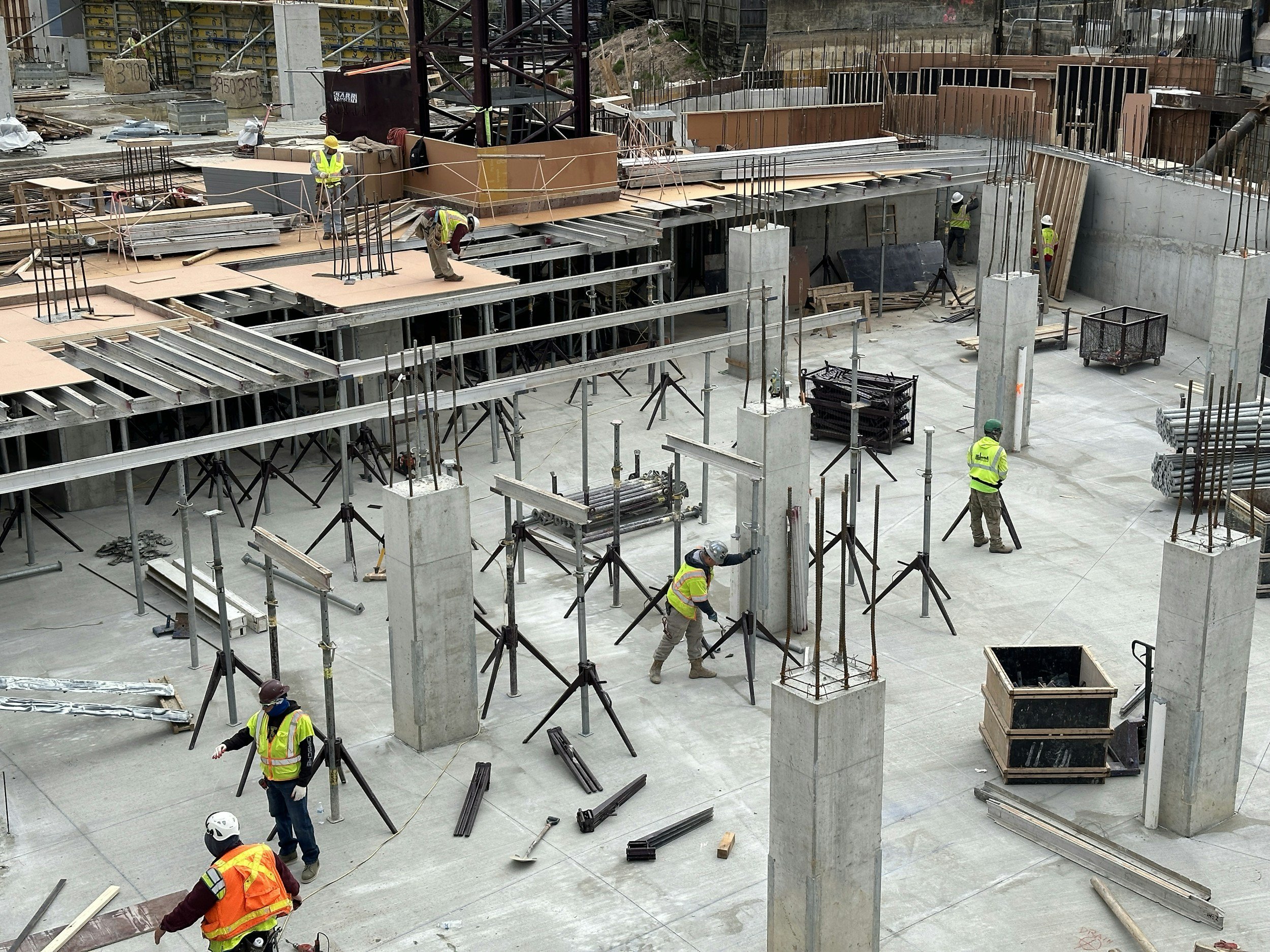
This page gives you the real story about what it's like to be a Construction Manager (with insights from people actually doing the job).
Your goal: Decide if this sounds interesting enough to explore further, or if it's clearly not for you. Both answers are useful!
It will take about 5 minutes to read through - by the end, you'll know if this is worth exploring or if you should look at something else.
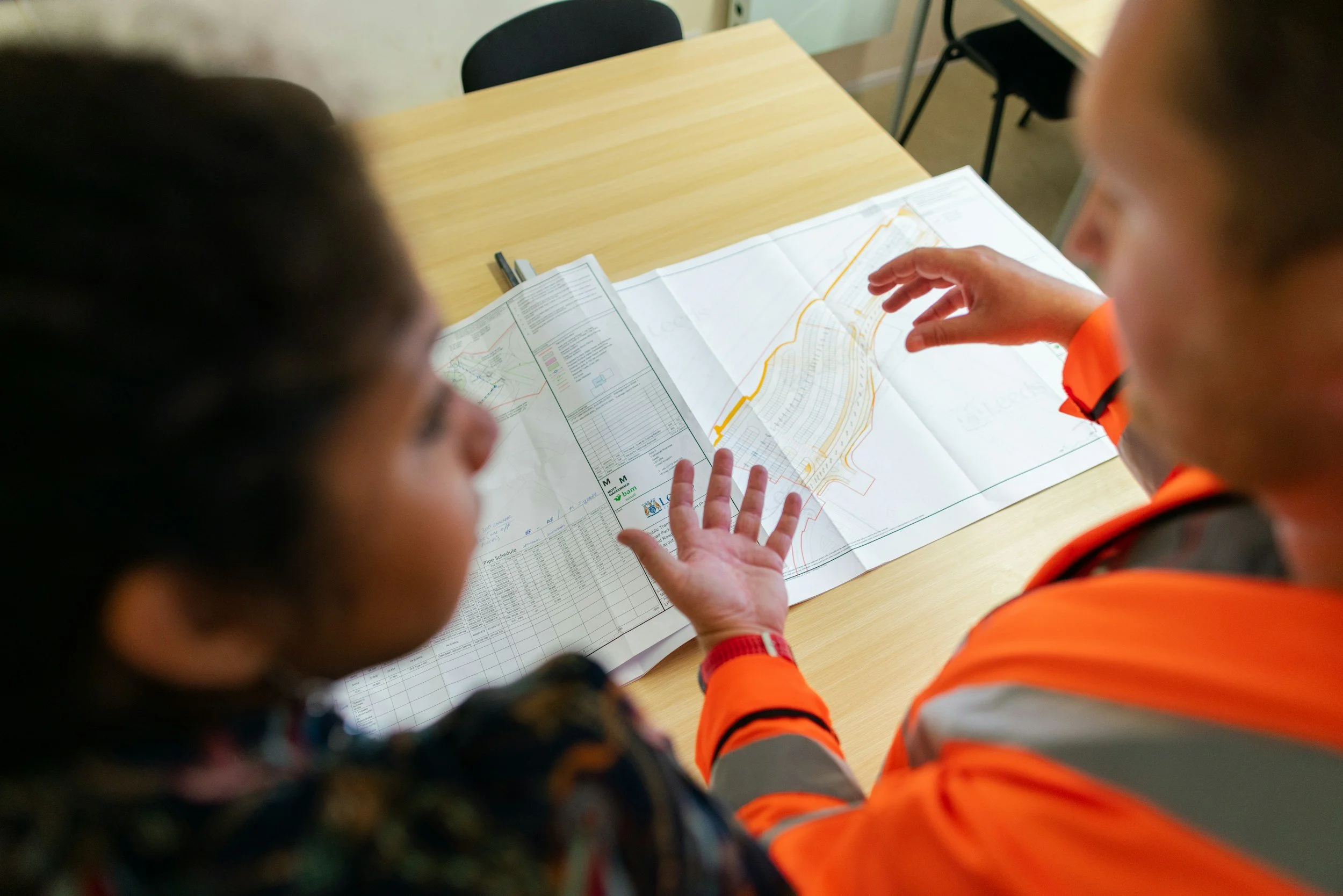
What is this job?
Construction managers are the people who make building projects actually happen. They're responsible for getting things built safely, on time, and on budget.
When a company decides to build something, whether that's solar panels in a car park, a new housing estate, or a district heating system under a road, someone needs to be on site making sure it all comes together. That's the construction manager.
You're not doing the physical work yourself. Instead, you're coordinating the people who are: the groundworkers digging foundations, the electricians wiring things up, the delivery drivers bringing materials. You're the person who spots that something's gone wrong before it becomes a disaster, and you're the one who has to fix it when things don't go to plan.
It's practical problem-solving. Every day is different because every project throws up different challenges. One day you're checking that foundation stubs are level to within half a degree, the next you're coordinating a late-night delivery of electrical equipment because the car park needs to be clear during the day.
What do they do day to day?
You're on site most of the time. This isn't an office job. You might spend 90% of your working week outdoors, in all weather, on whatever project you're assigned to.
Planning and coordination:
Creating methodology documents that explain how tasks will be done safely
Sequencing works so different teams aren't getting in each other's way
Organising traffic management when you're working on public roads
Making sure deliveries arrive when you need them and materials don't pile up
Quality and safety:
Checking that work meets the design specifications (are those columns actually level?)
Inducting new workers onto site so they know the safety rules
Making sure excavations are safe before anyone goes near them
Spotting problems with the design before they become expensive mistakes
Managing people:
Working with subcontractors who are doing the hands-on work
Communicating with clients about progress and any issues
Liaising with councils, utilities, and other third parties
Reporting to site managers and project managers above you
Where you work:
Mostly outdoors on construction sites
Some office time for planning before projects start
You might stay on one project for months, or move between several
Sites can be anywhere, so expect some travel



How much do they earn?
Salaries vary depending on the company, location, and your experience level. Here's a rough guide for construction management roles:
Higher Apprentice (Level 4): £21,000 to £25,000 per year
You're earning while studying for a HNC. Three years to complete, then you can progress further.
Degree Apprentice (Level 6): £19,000 to £25,000 per year
You're earning while studying for your degree. Four days on site, one day at university.
University Graduate: £30,000 to £35,000 per year
Starting salary for someone joining with a construction-related degree.
With Experience: £45,000 to £60,000 per year
After a few years running your own projects.
Senior/Chartered: £65,000 to £95,000+ per year
Managing large or complex projects, often with chartership from the CIOB.
What affects your salary:
Company size: larger contractors often pay more
Location: London and the South East typically pay higher
Sector: energy and infrastructure projects often pay more than residential
Chartership: becoming chartered with the CIOB or RICS increases your earning potential
Remember: These are approximate figures for the UK and can vary. Many employers also provide a company car or travel allowance, plus benefits like pension contributions and professional membership fees.
You'll Be Successful In This Career If...
You're hands-on and practical
You'd rather be doing than sitting. If you enjoyed workshop classes at school, or you're the type who likes to pick things up, take them apart, and figure out how they work, you'll feel at home on a construction site. You're not doing the physical work yourself, but you need to understand it well enough to know when something's been done right.
You're curious about how things work
Good construction managers don't just follow procedures. They want to understand why they're doing something, how one component affects another. When you understand the system, you can diagnose problems faster and spot issues before they become serious. If you don't understand it, you won't get the whole idea of how to do it properly.
You don't mind being outdoors in all weather
Construction sites are exposed. You'll be outside in rain, wind, and cold. If the idea of being stuck in an office all day fills you with dread, but being outdoors in rough weather sounds manageable, you're on the right track.
You're organised and can juggle multiple things at once
On any given day, you might be managing material deliveries, checking quality on completed work, inducting new workers, and dealing with an unexpected problem. You need to keep track of what's happening, what needs to happen next, and what could go wrong. If you're the kind of person who keeps lists and gets satisfaction from crossing things off, this plays to your strengths.
You're good with people, even difficult ones
You're constantly communicating with subcontractors, clients, and your own team. You need to give clear instructions so there's no confusion about what needs doing. When subcontractors don't deliver, or when competing priorities clash, you need to keep people on side. The best managers get the best work from their teams because people actually want to work for them.
The Bottom Line
If you're practical and hands-on, organised enough to manage multiple things at once, curious about how things get built, good at working with different types of people, and happy being outdoors, then construction management could be a strong fit. The ceiling is high in this career, with clear progression right up to director level if you want it.
The routes to the role:
Apprenticeship:
- Work on site while studying for a HNC in Construction Management
- Takes around 3 years to complete
- Starting salary typically £21,000 to £25,000
- Leads to Assistant Site Manager or Site Supervisor roles
- Can progress to Level 6 degree apprenticeship afterwards if you want a degree
University degree (full-time):
- Study construction management, civil engineering, or a related subject full-time
- Takes 3 to 4 years
- Higher starting salary (£30,000 to £35,000) but student debt
- Courses accredited by the CIOB are preferred by employers
Degree Apprenticeship:
- Work four days, study one day towards a degree in civil engineering or construction management
- Takes around 4 to 5 years to complete
- No university debt as your employer pays the fees
- Starting salary typically £19,000 to £25,000
- Offered by major contractors like Kier, Balfour Beatty, Barratt, and Skanska
What helps:
- Good GCSEs, especially Maths and English
- A genuine interest in construction and building
- Any work experience on construction sites, even informal
- Understanding that this is as much about managing people as technical knowledge
Insights from people who do the job

Kieran Anderson
Trainee Construction Manager at
OCS